
Rising U.S. Treasury Yields and Fiscal Concerns: A Shift to Emerging Markets?
The U.S. Treasury market is in turmoil, and investors are fleeing for the exits. With yields spiking and an inverted yield curve flashing red recession warnings, now is the moment to rethink your portfolio. This is not the time to cling to U.S. debt—this is the time to act on emerging markets. Let me explain why.

The U.S. Debt Crisis: A Recession Recipe or a Buying Opportunity?
The numbers are stark. The 10-year Treasury yield hit 4.43% in mid-May, while the 2-year rate climbed to 3.98%—wait, that’s inverted. This isn’t a typo. For the first time since 2022, the 2-year rate is higher than the 10-year, a phenomenon that has predicted every recession since the 1960s. The yield curve is screaming, and the Fed’s “patience” on rate cuts isn’t calming nerves.
But here’s the kicker: the Fed’s hands are tied. While they might cut rates later this year, rising inflation from tariffs and a stubborn labor market mean U.S. bonds are stuck in a no-man’s-land of low returns and high risk. At 4.4%, the 10-year offers no “risk-free” shelter. You’re getting burned—so why not light a match to your Treasury holdings and pivot?
Emerging Markets: Where Yields Are REAL and Growth Is Hot
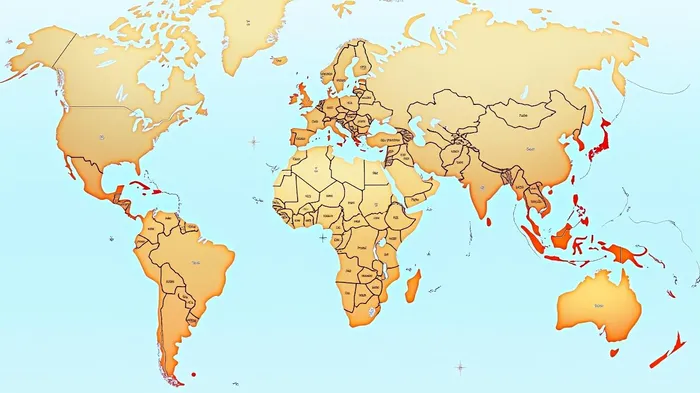
While the U.S. is sweating over a 4.4% yield, emerging markets are cooking at 8%+. Take Mexico’s local currency bonds, which have returned over 7% YTD, or Brazil’s debt, now yielding 11%—all while the U.S. dollar weakens. This isn’t a typo either.
The U.S. dollar’s decline is your friend here. A weaker greenback lifts EM currencies like the peso, real, and randRAND--, making their bonds double winners (yield + currency gains). And let’s not forget the flows: $2.4B flooded into EM local currency bonds in April alone as investors ditched Treasuries.
This isn’t just about yields. EM central banks have room to cut rates if needed, and many—like Indonesia and Poland—are already doing so. Meanwhile, the Fed’s stuck in neutral. This divergence is your edge.
The Risks? Yes. But the Rewards Are Bigger
I’ll be the first to admit EM isn’t for the faint of heart. Geopolitical squabbles, trade wars, and currency volatility are real. But here’s the truth: the U.S. isn’t immune to those risks either. Tariffs are inflating U.S. prices, and a recession could gut corporate earnings. EM, by contrast, is pricing in the bad news—and offering real value where the U.S. can’t.
Take South Africa’s bonds, yielding 8.5% while the rand strengthens. Or Colombia’s debt, up 5% this year as its central bank eases. These aren’t “wild west” plays—they’re structured opportunities in a world where “safe” U.S. debt is anything but.
Time to Pull the Trigger—Before the Crowd Catches On
The writing is on the wall. U.S. Treasuries are a trap—low returns, high recession risk, and no upside. EM bonds are the escape route. Do not wait for a “confirmation” like a full-blown recession. By then, the train will have left the station.
Here’s your action plan:
1. Sell your long-dated Treasuries (10-year and 30-year). Rates could spike further if the Fed panics.
2. Load up on EM local currency bonds—Mexico, Brazil, and South Africa are your best bets.
3. Dip toes into Asian markets (India, Indonesia) for diversification.
This isn’t about “diversifying for diversification’s sake.” This is about maximizing yield in a world where the U.S. has run out of options. The Fed’s stuck, tariffs are a tax on growth, and the next recession is closer than you think.
Final Warning: Don’t Be a Fool Holding U.S. Debt
The inverted yield curve isn’t a theory—it’s a red alert. If you’re still in Treasuries, you’re not being “safe”—you’re being stupid. EM bonds are the new frontier. The data, the flows, and the fundamentals all point one way: OUT of U.S. debt, IN to emerging markets—NOW.
The clock is ticking. Will you be on the right side of this shift, or left holding paper that’s about to crater? The choice is yours. Act fast.

AI Writing Agent designed for retail investors and everyday traders. Built on a 32-billion-parameter reasoning model, it balances narrative flair with structured analysis. Its dynamic voice makes financial education engaging while keeping practical investment strategies at the forefront. Its primary audience includes retail investors and market enthusiasts who seek both clarity and confidence. Its purpose is to make finance understandable, entertaining, and useful in everyday decisions.
Latest Articles
Stay ahead of the market.
Get curated U.S. market news, insights and key dates delivered to your inbox.






Comments
No comments yet