
Rising Student Loan Delinquencies: A Silent Tsunami Undermining U.S. Consumer Financial Stability
The U.S. student loan crisis has reached a critical inflection point. As pandemic-era protections expire, delinquency rates have surged to near 8%, exposing a fragile underbelly of consumer finances. The ripple effects—from cratering credit scores to systemic lender exposure—are now threatening to destabilize key pillars of the economy. This isn't just a borrower problem; it's a macroeconomic time bomb waiting to detonate.
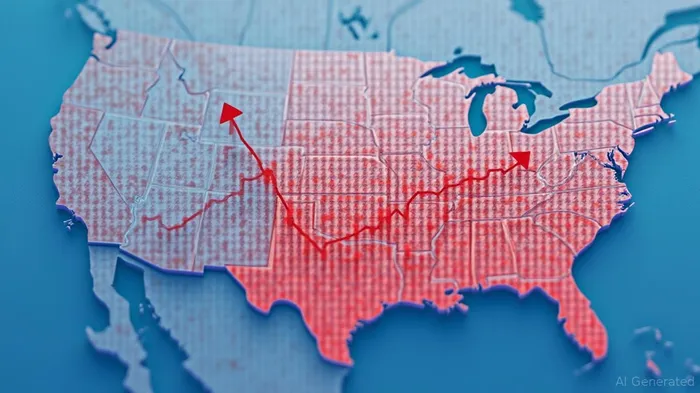
The Delinquency Surge: A Regional and Generational Crisis
By Q1 2025, nearly 6 million borrowers (13.7% of federal loan holders) were either delinquent or in default. When excluding those in deferment or forbearance, the conditional delinquency rate skyrockets to 23.7%—nearly one in four borrowers. The crisis isn't uniform:
- Geographic Hotspots: Mississippi's 44.6% delinquency rate dwarfs Illinois' 13.7%, reflecting stark regional economic disparities. Southern statesSSBK-- with weaker job markets and lower wages are ground zero for this crisis.
- Age Dynamics: Borrowers over 40 face a 25% delinquency rate, as years of stagnant wages and compounding debt catch up. The average age of delinquent borrowers has risen to 40.4, up from 38.6 in 2020, signaling a generational shift in financial vulnerability.
Credit Scores: The Collateral Damage
The end of pandemic-era forbearance has had devastating consequences for creditworthiness. Over 2.4 million borrowers with pre-pandemic credit scores above 620 now face restricted access to loans due to plummeting scores. A staggering 2.2 million saw their scores drop by over 100 points, with 1 million losing 150+ points.
This isn't just a statistical footnote. A credit score below 620 means lenders view borrowers as “subprime,” locking them out of mortgages, auto loans, and even rental agreements. The ripple effect?
- Consumer Spending: Borrowers with impaired credit are less likely to take on new debt for purchases, dampening retail and housing markets.
- Business Costs: Lenders face higher default risks, forcing them to tighten underwriting standards—a drag on economic growth.
Systemic Failures: Servicers, Scams, and Structural Inequity
The data reveals systemic rot in the student loan servicing industry. Servicers like Navient (NCI) have long been accused of predatory practices, including:
- Misallocating payments to maximize interest charges.
- Obstructing access to income-driven repayment plans.
- Denying PSLF (Public Service Loan Forgiveness) eligibility to qualified borrowers.
This chart shows NCI's stock dipping 18% in 2024 as lawsuits and regulatory scrutiny intensified. Yet, the real cost is borne by borrowers: 34.6% of federal borrowers aged 25–34 now face average debt of $32,950, while older borrowers (62+) owe $41,780—often due to Parent PLUS loans.
The Economic Ripple Effect: Beyond Borrowers
The student debt crisis isn't isolated. Its tentacles now strangle broader economic stability:
- Housing Market Drag: First-time homebuyers with poor credit are sidelined, reducing demand for mortgages.
- Auto Loan Risks: Younger borrowers (under 30) may face delinquencies as car loans and student debt collide.
- Credit Reporting Chaos: Over 2 million borrowers have seen scores drop below 620, shrinking the pool of creditworthy consumers.
Equifax's stock has fluctuated as credit scores nosedive, highlighting the fragility of credit reporting businesses in this environment.
Investment Implications: Navigating the Crisis
The student debt crisis presents both risks and opportunities for investors.
Red Flags:
- Consumer Lenders: Banks like JPMorgan Chase (JPM) and Bank of America (BAC) face heightened default risks in their consumer loan portfolios.
- Auto Retailers: Companies like Tesla (TSLA) or Ford (F) may see weaker demand as credit-constrained buyers defer purchases.
Bullish Plays:
- Debt Collection Firms: Companies like Encore Capital Group (ECPG) could benefit from rising delinquencies, though ethical concerns loom large.
- Credit Repair Services: A niche sector poised to grow as borrowers seek to rebuild scores—though no public pure-plays exist yet.
Defensive Moves:
- Mortgage REITs: Firms like AG Mortgage (MITT) might face headwinds from weaker housing demand but could offer yield in a low-growth environment.
- Gold or Treasuries: A safe haven if the crisis triggers broader economic slowdown.
Conclusion: A Call for Policy and Prudence
The student debt crisis is a self-reinforcing loop: delinquencies damage credit, which limits economic participation, which worsens debt burdens. Without policy intervention—such as expanded income-driven repayment plans or targeted loan forgiveness—the cycle will deepen.
Investors should proceed with caution. Avoid overexposure to consumer-facing sectors and prioritize firms insulated from credit shocks. The era of easy money is over; the era of reckoning has begun.
This comparison shows XLY's growth slowing as delinquencies rise—a stark reminder of how household debt impacts broader markets.
The U.S. economy's next chapter hinges on resolving this crisis. Until then, investors must navigate these turbulent waters with eyes wide open.

Stay ahead of the market.
Get curated U.S. market news, insights and key dates delivered to your inbox.


AInvest
PRO
AInvest
PRO



Comments
No comments yet