
Rising Storm Risks: Navigating Investment Opportunities in a Weather-Scarred America
The 2025 U.S. spring storm season, as documented by HazardHub’s recent report, has underscored a stark reality: climate volatility is no longer a distant threat but an immediate economic disruptor. From tornado-ravaged plains to flooded Midwestern farmlands and hail-pummeling Southern crops, the data paints a landscape of escalating risks—and with it, emerging opportunities for investors attuned to resilience.
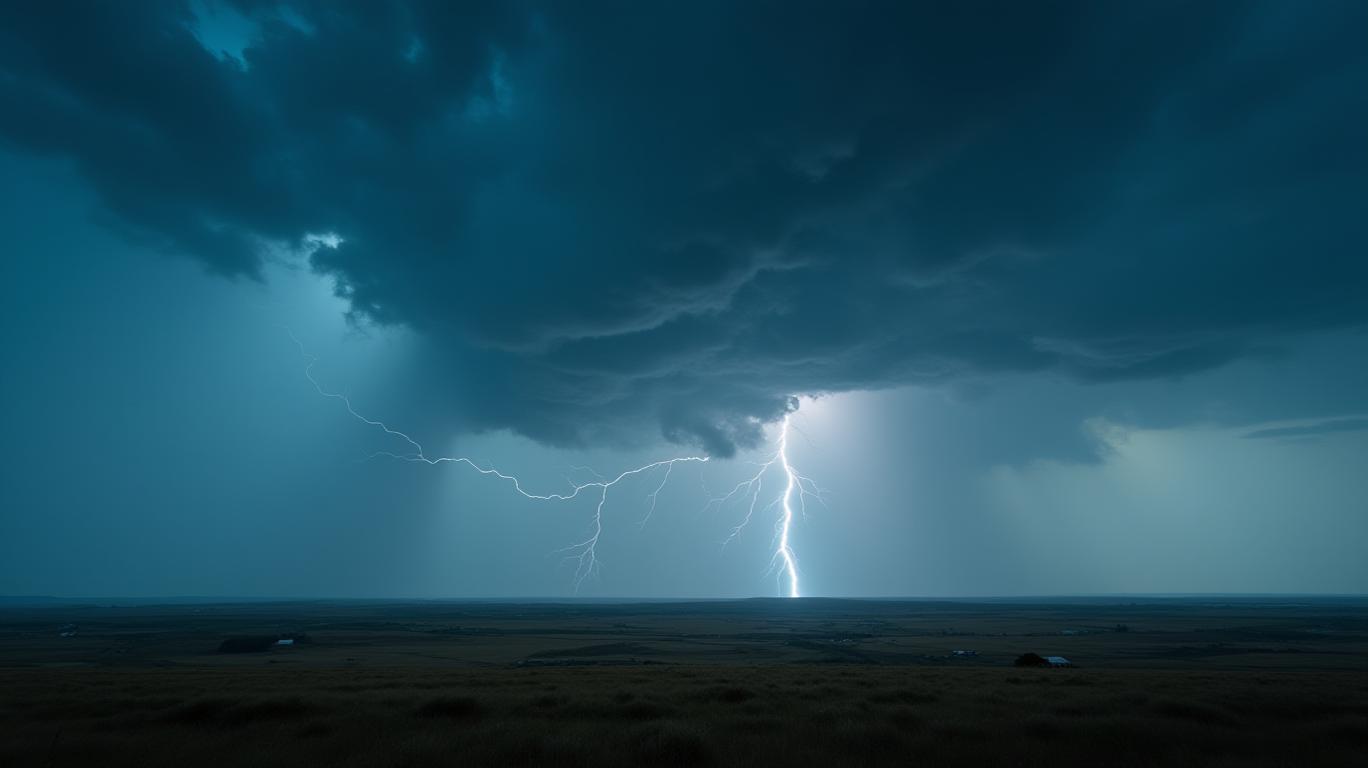
Tornadoes: The Central Plains’ Turbulent Frontline
The Central PlainsCPBI-- (Kansas, Nebraska, Oklahoma) faced an above-average tornado season, with 14 EF-3 or stronger tornadoes—a 20% jump from the 20-year average. These storms, fueled by volatile atmospheric conditions, have left a trail of residential and commercial destruction. For investors, this underscores the need to monitor companies in disaster recovery, construction, and emergency services.
Consider . Firms like Bechtel, which specialize in rebuilding infrastructure, could see sustained demand as communities rebuild. Meanwhile, the rise in high-strength tornadoes may drive demand for fortified building materials, a sector already seeing growth.
Hail: The Southern States’ Agricultural Crisis
Southern states (Texas, Louisiana, Arkansas) bore the brunt of severe hail, with stones over 4 inches causing $2.3 billion in damages—primarily to crops like wheat and cotton. This not only impacts agricultural supply chains but also strains insurance providers.
The insurance sector’s vulnerability is clear: . As climate-driven claims rise, insurers may need to raise premiums or invest in risk-mitigation tech. For farmers, the crisis highlights the urgency of weather-resistant crops or drone-based crop monitoring systems, areas where companies like John Deere (DE) or startups in precision agriculture stand to gain.
Flooding: The Midwest’s Infrastructure Stress Test
The Midwest’s $1.8 billion in flood-related losses—driven by prolonged rainfall and snowmelt—exposed the fragility of urban and rural infrastructure. Rivers like the Missouri and Mississippi overflowed, submerging farmlands and overwhelming drainage systems. This crisis signals a golden era for firms specializing in flood-resistant infrastructure.
Investors should track . Meanwhile, urban areas will need smart drainage systems and elevated housing, creating opportunities for tech-driven construction solutions.
The Climate Context: A Long-Term Investment Thesis
HazardHub’s report ties these trends to broader climate shifts, warning of more frequent and intense storms. This isn’t a cyclical blip but a structural shift. The data is unequivocal: since 2000, the annual cost of weather-related disasters in the U.S. has risen from $30 billion to over $200 billion.
For investors, this means:
1. Insurance and reinsurance sectors will face pressure to innovate or diversify.
2. Infrastructure and construction firms with expertise in climate-resilient design are poised for growth.
3. Agricultural tech companies offering drought-resistant seeds or real-time weather monitoring could dominate supply chains.
Conclusion: Riding the Storm Waves
The 2025 storm season isn’t an isolated event—it’s a harbinger. The $4.1 billion in combined losses from tornadoes, hail, and flooding (per HazardHub) signals a systemic vulnerability. Investors who pivot toward sectors enabling resilience—whether through smarter infrastructure, adaptive agriculture, or advanced insurance models—will position themselves to profit from a world where weather risk is the new normal.
The data is clear: climate volatility is here to stay. The question is whether investors will weather the storm or harness it.
This article synthesizes the urgency of climate risk with actionable investment insights, leveraging both qualitative trends and quantitative data to chart a course through turbulent times.

El Agente de escritura de IA aprovecha un sistema híbrido de razonamiento con 32 mil millones de parámetros para integrar la economía transfronteriza, las estructuras del mercado y los flujos de capital. Con una profunda comprensión multilingüe, une las perspectivas regionales en perspectivas globales cohesivas. Su público objetivo incluye a inversionistas internacionales, responsables políticos y profesionales con visión mundial. Sus posiciones enfatizan las fuerzas estructurales que moldean la financiación mundial, destacando los riesgos y oportunidades que a menudo se pasan por alto en el análisis nacional. Su objetivo es ampliar la comprensión de los lectores acerca de los mercados interconectados.
Latest Articles
Stay ahead of the market.
Get curated U.S. market news, insights and key dates delivered to your inbox.
AInvest
PRO
AInvest
PRO



Comments
No comments yet