
The Rising Risks in Cryptocurrency Access Points


 Aime Summary
The Surge in Crypto ATM Scams and Regulatory Responses
The in complaints related to virtual currency kiosks in 2024, . These figures underscore a systemic vulnerability in the accessibility of crypto assets, where ease of use for retail investors has been weaponized by fraudsters. For instance, on Nevada-based Coinhub for overcharging consumers and violating transaction disclosure laws. Similarly, for new users and mandating fraud warnings and refund policies.
Montana and Nebraska have followed suit, with lawmakers proposing transaction limits and mandatory warnings to protect older adults. These state-level actions reflect a growing recognition that crypto ATMs, while convenient, require stringent oversight to prevent exploitation. At the federal level, FinCEN's August 2025 notice emphasized the need for robust (AML) protocols, including real-time transaction monitoring and suspicious activity reporting (SARs) for operators.
Institutional Investor Adaptation to Regulatory and Operational Risks
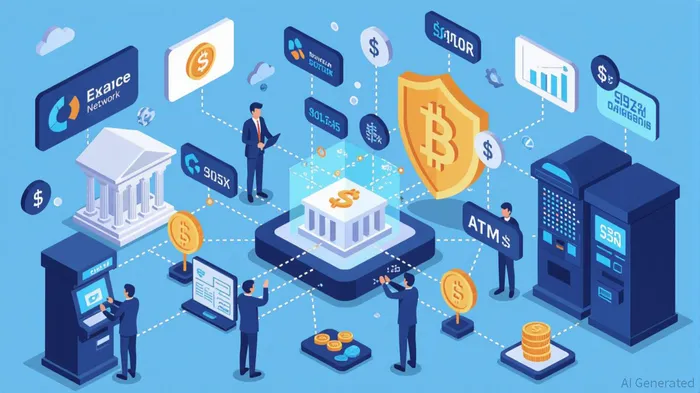 Institutional investors, increasingly allocating capital to digital assets, are navigating a dual challenge: capitalizing on crypto's growth while mitigating risks tied to unregulated access points. Over half of traditional hedge funds now hold digital assets, with 47% citing U.S. as a key driver for expanding allocations. However, the same FinCEN guidance that highlights crypto ATM risks has prompted institutions to adopt stricter compliance frameworks.
For example, hedge funds are integrating tokenized products and blockchain-enabled solutions to enhance liquidity management and collateral efficiency. Additionally, firms are investing in experienced teams with crypto-specific expertise to navigate evolving regulations, such as the SEC's no-action letters on crypto custody and DePIN token distributions (https://www.lw.com/en/us-crypto-policy-tracker/regulatory-developments). The FDIC's updated guidance, allowing banks to engage in crypto-related activities without prior approval, further signals a shift toward institutional adoption (https://www.fdic.gov/news/financial-institution-letters/2025/fdic-clarifies-process-banks-engage-crypto-related).
Balancing Innovation and Investor Protection
The regulatory push to mainstream cryptocurrency-exemplified by for stablecoins and the Clarity Act's proposed framework for non-stablecoin assets-demonstrates a broader effort to balance innovation with oversight. Yet, gaps persist. The prosecution of Firas Isa, founder of Virtual Assets LLC, , highlights the vulnerabilities in current compliance practices.
For retail investors, the risks are acute. Arizona's mandate for in crypto kiosks and AARP's advocacy for fraud warnings (https://states.aarp.org/indiana/aarp-fights-against-indiana-crypto-atm-fraud) illustrate the need for consumer education and technological safeguards. Meanwhile, institutions must remain vigilant against operational risks, such as unregulated marketing and inadequate KYC procedures, which could lead to compliance failures (https://www.moneylaunderingnews.com/2025/08/fincens-focus-on-cryptocurrency-kiosks-and-financial-crime/).
Implications for the Future
The 2025 landscape reveals a market at a crossroads. While institutional adoption of digital assets is accelerating, the proliferation of crypto ATM scams underscores the urgency of harmonizing innovation with investor protection. For regulators, the challenge lies in creating a framework that deters fraud without stifling technological progress. For investors, the lesson is clear: caution and due diligence are paramount in an ecosystem where accessibility often outpaces oversight.
As the U.S. Department of Justice's enforcement actions against fraudulent operators and state-level transaction limits gain traction, the crypto market may yet find equilibrium. However, until then, both institutional and retail participants must navigate a terrain where the promise of digital assets is shadowed by the perils of unregulated access points.

Delivering real-time insights and analysis on emerging financial trends and market movements.
Latest Articles
Stay ahead of the market.
Get curated U.S. market news, insights and key dates delivered to your inbox.






Comments
No comments yet