
Rising Rates, Shifting Rules: AEP's Ohio Hike Signals a New Era for Utility Investors
The Public Utilities Commission of Ohio's recent approval of AEP's massive rate hike—a 36% jump in its Price to Compare (PTC) to $0.0997/kWh starting June 1—has sent shockwaves through the utility sector. This isn't just a regional blip; it's a harbinger of sweeping pricing pressures and regulatory shifts that will redefine investment opportunities in the coming years. For investors, the question isn't whether utilities face headwinds—it's how to capitalize on them.
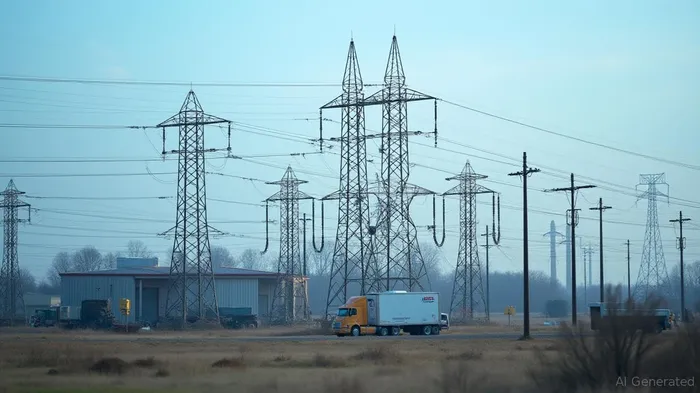
The Root of the Storm: Capacity Costs Gone Haywire
The immediate catalyst is the 833% surge in capacity costs from PJM's June 2024 auction. Capacity charges, which ensure grid reliability by compensating power generators, now account for a disproportionate share of Ohio bills. For an average residential user (1,000 kWh/month), this translates to a $27/month increase, while commercial customers face up to 29% hikes due to peak demand contributions.
But this isn't just about PJM's flawed auction design—it's a systemic issue. reveal a pattern of volatility, with prices spiking from $5/MW-day in 2020 to $325/MW-day today. Utilities in PJM's footprint, including AEP, Cinergy (subsidiary of Duke Energy
DUK), and FirstEnergy
FE, are all grappling with these costs.
Regulatory Dysfunction and Opportunity
Critics rightly highlight the lack of accountability. AEP's “electric security plan” bypassed a traditional rate case review, avoiding scrutiny of its gridSMART initiative—a $332 million project accused of “gold plating” (inflating costs to secure higher profits). The Ohio Consumers' Counsel called this a “billion-dollar boondoggle,” but PUCO's rubber-stamp approval suggests utilities hold sway over regulators.
This isn't unique to Ohio. Across the U.S., regulators are caught between aging infrastructure, climate-driven demand, and retiring coal plants. The result? A sector ripe for consolidation and innovation.
Why This Isn't Just an Ohio Problem
AEP's rate hike mirrors trends nationwide:
1. Supply-Demand Imbalance: Retiring coal plants and delayed renewables are straining grids.
2. Rising Peak Demand: Data centers and EV adoption are pushing peak usage to unsustainable levels.
3. Regulatory Capture: “Riders” (cost recovery surcharges) are proliferating, with little oversight.
Utilities with diversified revenue streams—like those investing in grid resiliency, renewable storage, or demand-side management—will thrive. Conversely, laggards relying on outdated infrastructure or opaque rate structures face investor skepticism.
The Investment Playbook
1. Utilities with Strong Regulatory Positions
- AEP (AEP): Despite criticism, its ability to pass through PJM costs positions it to capitalize on capacity price trends.
- Duke Energy (DUK): Its scale and focus on renewable integration mitigate regional risks.
- NextEra Energy (NEE): A leader in renewables and grid modernization, offering a hedge against fossil fuel volatility.
2. Grid Modernization Plays
- Dominion Energy (D): Investing in smart grids and offshore wind.
- Tech Enablers: Companies like Itron (ITRI) (smart metering) or Gridco Systems (grid automation) could see surging demand as utilities seek efficiency.
3. Regulatory Reform Winners
States like Ohio are pushing back. House Bill 15 aims to phase out electric security plans, limiting rider-based surcharges. Investors should favor utilities in regions with pro-consumer reforms, such as Southern Company (SO) in Georgia, which has a proven track record of transparent rate cases.
The Risks—and Why They're Manageable
Critics cite “rate shock” and consumer backlash. Ohio's disconnection rates for AEP customers are already double the state average—a red flag. Yet FERC's price cap on PJM auctions ($325/MW-day) and state-level reforms will cap volatility. Meanwhile, the $500 billion federal infrastructure bill ensures long-term funding for grid upgrades.
shows the stock underperforming, but this could reverse as investors recognize its capacity to pass costs to consumers.
Conclusion: The Writing Is on the Wall
AEP's rate hike isn't an outlier—it's the new normal. Utilities that can navigate regulatory shifts, reduce peak demand, and invest wisely in grid modernization will outperform. For investors, now is the time to position for this sector-wide transformation. The era of cheap, complacent utility investing is over. Those willing to embrace the chaos—and the opportunities it creates—will profit handsomely.
Act now before the next capacity auction sends prices soaring again.

Delivering real-time insights and analysis on emerging financial trends and market movements.
Latest Articles
Stay ahead of the market.
Get curated U.S. market news, insights and key dates delivered to your inbox.


AInvest
PRO
AInvest
PRO



Comments
No comments yet