
Rising Mortgage Rates and the Fed's Tightrope: Navigating Housing's New Reality
The Federal Reserve's recent policy decisions have sent ripples through the housing market, with mortgage rates hovering near decade-highs and showing little sign of retreat. As the Fed balances its dual mandate of price stability and maximum employment, the implications for homebuyers, investors, and the broader economy are profound. Let's dissect the Fed's stance, its impact on housing, and what investors should watch next.
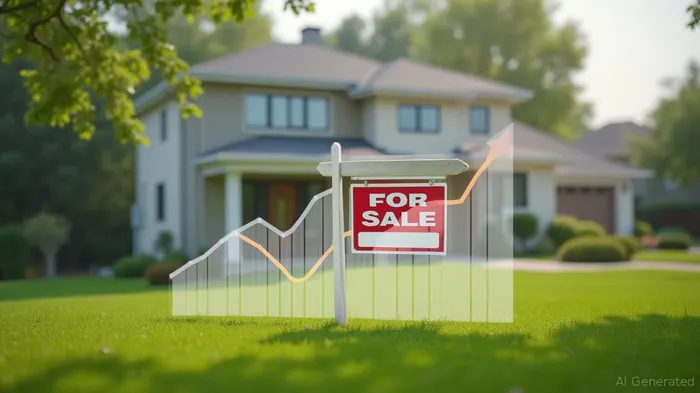
The Fed's Resolve: Rates Stay High, Inflation Fights Back
The Fed's June 2025 projections reveal a cautious path forward. While the federal funds rate is expected to ease gradually—from 3.9% in 2025 to 3.0% by 2027—the central bank has made it clear: inflation remains the priority. With PCE inflation projected at 3.0% in 2025 (up from earlier estimates) and core inflation at 3.1%, the Fed is unlikely to cut rates aggressively anytime soon.
This stance has ripple effects. Mortgage rates, which are indirectly tied to the 10-year Treasury yield, have climbed in tandem with the Fed's hawkish signals. would likely show a steady upward trajectory, with 30-year fixed rates near 6.5%—a level not seen since 2007.
The Housing Market's New Math
For homebuyers, the math is simple: higher rates mean lower purchasing power. A $400,000 home with a 20% down payment now requires a monthly mortgage payment of roughly $2,000 at 6.5%, compared to $1,600 at 4.5%. This has already dampened demand, with sales volumes down 12% year-over-year in Q1 2025.
Investors in the housing sector face a mixed landscape. Single-family homebuilders like Lennar (LEN) and D.R. Horton (DHI) have seen stock prices pressured as buyers retreat. Meanwhile, multifamily REITs like Equity Residential (EQR) and PS Business Parks (PSB) remain resilient, as demand for rentals outpaces supply.
Risks Ahead: Stagflation and Geopolitical Volatility
The Fed's projections also highlight risks that could prolong the housing slump. GDP growth is now expected to clock in at just 1.4% in 2025—down from earlier forecasts—while unemployment is projected to rise to 4.5%. This “stagflationary” mix of slow growth and high inflation could force the Fed to stay tighter for longer.
Geopolitical risks, such as the Israel-Iran conflict, add another layer of uncertainty. Escalating tensions could spike energy prices, reigniting inflationary pressures and further delaying rate cuts.
Investment Takeaways: Where to Look Now
Avoid Overpaying for Real Estate
With inventory tight but demand softening, buyers and investors should focus on areas with rental yield potential or long-term demographic advantages (e.g., urban cores with transit access).Consider Short-Term Rentals
Platforms like Airbnb have proven resilient in downturns. Look for markets with consistent tourist demand or corporate transient stays.Monitor Fed Policy Closely
The Fed's next moves will hinge on inflation data. A sustained drop in core inflation below 3% could accelerate rate cuts, lifting housing demand.Diversify with REITs
High-quality REITs with strong balance sheets and defensive sectors (healthcare, student housing) offer steady dividends.
Conclusion: Patience Pays
The Fed's resolve to tame inflation has made housing affordability a luxury for many, but it also sets the stage for a correction. Investors who avoid overexposure to speculative real estate and stay attuned to Fed signals will be best positioned to capitalize when rates eventually ease. For now, the mantra is clear: wait for a clearer path—or pay the price.
Andrew Ross Sorkin's signature blend of insight and urgency reminds us: in real estate, timing is everything. The Fed's high-wire act will determine whether buyers and investors are walking on clouds—or tightropes.

Stay ahead of the market.
Get curated U.S. market news, insights and key dates delivered to your inbox.




Comments
No comments yet