
Rising Mortgage Rates: A Contrarian's Opportunity in Real Estate and Equity Markets
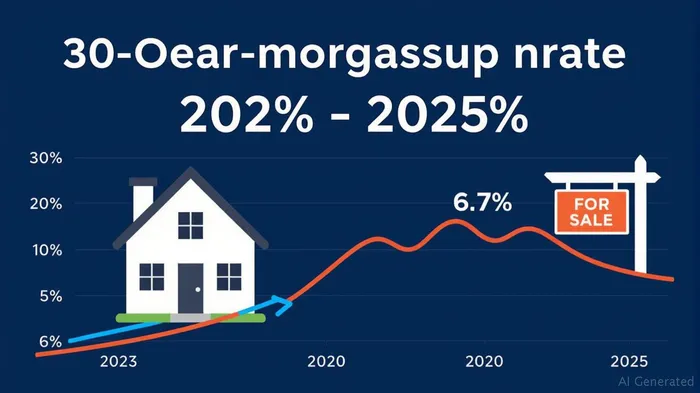
The U.S. housing market is at a crossroads. Mortgage rates, though down slightly from their 2023 peak, remain stubbornly elevated, with the 30-year fixed rate hovering near 6.7% in July 2025. This has fueled affordability challenges, stalling sales, and creating a bifurcated market: a struggling for-sale sector and a surging rental market. For investors, this is a critical juncture. While conventional wisdom might suggest caution, the data points to a contrarian opportunity—provided you target the right sectors and time your moves.
The Mortgage Rate Dilemma: A Double-Edged Sword
The Federal Reserve's reluctance to cut rates has kept mortgage rates elevated, with the 30-year rate averaging 6.74% in July 2025 (down from a peak of 8% in late 2023 but still above 6.5% through 2026). This has made homeownership prohibitively expensive for many. First-time buyers (FTBs) are particularly squeezed: their share of purchases has halved since 2020, with median income now covering only 35% of mortgage payments for starter homes.
The result? A structural shift toward rentals. Vacancy rates are forecast to drop to 5.4% by 2027, and rents are projected to rise by 3.5% annually through 2026. This dynamic is reshaping the real estate landscape—and creating asymmetric opportunities.
Contrarian Plays: Where to Invest
1. Rental REITs: The New Safe Haven
The rental boom is fueling demand for institutional-grade multifamily housing. REITs like Equity Residential (EQR) and Apartment Investment and Management (AIM) are well-positioned to capitalize. Their occupancy rates remain high (above 95%), and dividend yields are robust (~4.5%), even as interest costs rise.
Why now? The rental market's growth is underpinned by affordability constraints in the for-sale market. Even if mortgage rates drop in 2026, the delayed recovery in homeownership means rental demand will remain resilient.
2. Homebuilders: A Value Trap or a Turnaround?
Homebuilders like Lennar (LEN) and D.R. Horton (DHI) have been battered by high rates and overbuilt inventories. Their stocks are down ~30% since 2021, and margins are squeezed by rising material costs (e.g., lumber tariffs). However, this sector could offer a contrarian buy if two conditions are met:
- Rate cuts in late 2025 or 2026 (as Fannie Mae forecasts), which would revive buyer confidence.
- A shift to value-driven buyers: Lennar's recent price cuts and incentives have started attracting buyers willing to trade down or compromise on features.
Risk caveat: Avoid over-leveraged builders with high debt burdens. Focus on firms with strong liquidity and exposure to affordable housing segments.
3. Alternative Lending: Filling the Gaps
With conventional mortgages out of reach for many, niche lenders like Quicken Loans (Rocket Companies, RFC) and Upstart (UPST) are gaining traction. These firms specialize in non-QM loans, adjustable-rate mortgages (ARMs), and tech-driven underwriting for creditworthy borrowers with unconventional income streams (e.g., gig workers).
Why? Their loan volumes rose 25% in 2024, and their pricing power allows them to charge premiums in a tight credit environment.
Timing the Contrarian Move: 2026 is the Inflection Point
The key variable is Fed policy. If rates begin declining by late 2025—as some economists predict—investors could profit from a housing rebound by early 2026. However, the Fed's “wait-and-see” stance on inflation and labor markets complicates this timeline.
Strategy:
- Rental REITs: Buy now. Their cash flows are less rate-sensitive and benefit from rising rents.
- Homebuilders: Wait until mortgage rates drop below 6.5% (likely 2026) before scaling up.
- Hedging: Use inverse mortgage-backed securities (e.g., MBSD) to offset rate risks.
Risks and Red Flags
- Tariffs and construction costs: Lumber and steel tariffs could keep home prices elevated, delaying affordability improvements.
- Delinquency spikes: Rising defaults on non-QM loans (up 12% in 2024) could hurt lenders.
- Overreliance on rentals: A sudden drop in rents (if mortgage rates fall sharply) could destabilize REIT valuations.
Conclusion: The Contrarian's Edge
The U.S. housing market is in a holding pattern. For investors, patience and sector specificity are critical. Rental REITs offer steady income today, while homebuilders could deliver asymmetric upside if rates fall as expected. Avoid broad market plays—target the sectors where structural shifts (rental demand, affordability-driven innovation) are creating durable value.
The window for contrarian success is narrowing: act selectively now, but wait for the Fed's next move before doubling down.

Stay ahead of the market.
Get curated U.S. market news, insights and key dates delivered to your inbox.
AInvest
PRO
AInvest
PRO



Comments
No comments yet