
Rising Market Euphoria: Is This the Precursor to a Correction or a New Bull Run?
 Aime Summary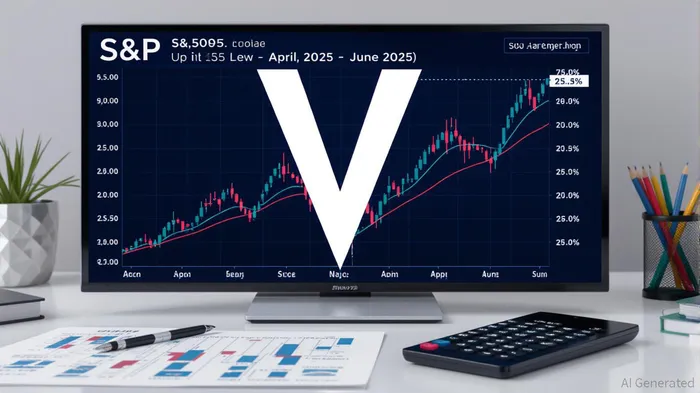
The U.S. stock market in 2025 has been a rollercoaster. In early April, the S&P 500 plummeted 12.9% in just five days—the steepest decline since the 2020 pandemic crash. The culprit? A surprise escalation of trade tariffs and geopolitical tensions that sent shockwaves through global markets. Yet, by June, the index had clawed its way back to record highs, driven by a speculative frenzy in tech stocks and a weakening U.S. dollar. This wild swing raises a critical question: Are we witnessing the early signs of a new bull market—or a euphoric buildup that could end in a painful correction?
Recent Market Behavior: Volatility as the New Normal
The first half of 2025 has been defined by extremes. The S&P 500's 12.9% drop in early April—a 99.9th percentile event—was followed by an equally dramatic rebound. By June, the index had not only erased its losses but added 11.7% in May and June combined, its best two-month run since December 2023. The NASDAQ Composite, heavily weighted toward tech giants, mirrored this pattern, with a 13.8% drawdown in March followed by a 23.7% surge in Q2.
The catalysts for this volatility were clear: a sudden shift in trade policy, including aggressive reciprocal tariffs, and geopolitical flare-ups like the India-Pakistan conflict. Yet the market's recovery was fueled by a mix of factors. The U.S. administration's 90-day tariff pause, falling interest rates, and a weaker dollar created a tailwind for equities. The U.S. Dollar Index (DXY) fell 10.7% in the first half of 2025—the largest six-month decline since the 1970s—boosting non-U.S. assets and tech stocks priced in dollars.
Investor Sentiment: From Panic to Optimism
The emotional arc of the market has been just as dramatic as the price action. In April, the VIX index—a barometer of fear—spiked 30.8 points in one week, reaching levels not seen since the 2008 financial crisis. By June, however, the VIX had collapsed to multi-year lows, reflecting a sharp shift in sentiment.
This shift was driven by two forces: policy clarity and speculative euphoria. The tariff pause and trade negotiations with China reduced immediate risks, while a speculative rush into AI and tech stocks created a “risk-on” environment. The “Magnificent 7” (including companies like TeslaTSLA--, AmazonAMZN--, and Meta) surged 18.6% in Q2, outperforming the S&P 500 by 14 percentage points. Meanwhile, defensive sectors like Energy and Healthcare lagged, with declines of 8.6% and 7.2%, respectively.
But this optimism is not without precedent. History shows that euphoric market environments often precede sharp corrections.
Historical Parallels: Bubbles, Corrections, and the Lessons of the Past
To understand the current euphoria, we must look to the past.
1. The Dot-Com Bubble (2000):
The dot-com era was driven by the same mix of speculative fervor and overvaluation. Tech stocks traded at stratospheric multiples, with many companies lacking revenue or profits. When the bubble burst in 2000, the Nasdaq fell 78% from its peak. The key lesson? Markets eventually punish speculation with arithmetic precision.
2. The 2008 Housing Crisis:
The 2008 crash was fueled by a different kind of euphoria: overleveraged homeowners and subprime mortgage lending. When the housing bubble collapsed, the S&P 500 fell 57%. The takeaway? Systemic risk often lurks in areas far removed from the stock market itself.
3. The 2020 Pandemic Recovery:
The 2020 rally was a mix of panic and optimism. A 35% drop in March was followed by a 70% rebound by December 2020, driven by unprecedented fiscal and monetary stimulus. The lesson here is that markets can recover swiftly—even in the face of global crises—if the right tailwinds align.
The current environment shares elements of all three. Like the dot-com era, we're seeing speculative overvaluation in tech. Like 2008, there's a systemic risk in trade policy and geopolitical tensions. And like 2020, there's a strong policy-driven tailwind.
Risk and Opportunity: Navigating the Volatile Waters
So where does this leave us in 2025? The answer depends on balancing optimism with caution.
Opportunities:
- Tech and AI: The “Magnificent 7” have shown resilience, driven by AI innovation and speculative demand. While valuations are high (many trade at 96th percentile price-to-earnings ratios), earnings growth could justify these multiples if the sector delivers.
- Dollar-Linked Assets: A weaker U.S. dollar has boosted gold (up 26% YTD) and emerging markets (12.2% return in Q2). This trend could continue if the Fed cuts rates as expected.
- Small-Cap Growth: Small-cap tech stocks surged 22.8% in Q2, outperforming large-cap counterparts. These names offer higher growth potential but come with greater volatility.
Risks:
- Trade Policy Uncertainty: The tariff pause expires in July, and the administration's mixed messaging has left investors guessing. A failure to extend the pause could reignite volatility.
- Valuation Concerns: The S&P 500's forward P/E of 21.9 is above its 10-year average of 18.4. If earnings growth disappoints, a correction could follow.
- Sector Rotation: Energy and Healthcare underperformed in Q2, but a shift in macroeconomic conditions (e.g., higher inflation, tighter monetary policy) could reverse this trend.
The Verdict: Bull Market or Bubble?
The market's ability to recover so quickly after a 12.9% drop suggests strong underlying resilience. However, the same factors that fueled the rebound—speculative trading, policy tailwinds, and a weak dollar—could also create a fragile equilibrium.
Investors should adopt a dual strategy:
1. Stay Positioned for Growth: Maintain exposure to high-growth sectors like AI and tech, but use volatility to rotate into undervalued areas (e.g., Energy, Healthcare).
2. Hedge Against Corrections: Use options or diversification to protect against a potential selloff. The VIX's current lows suggest complacency, but history shows that complacency is often the calm before the storm.
In the end, the question of correction versus bull run may not be a binary one. The market could continue to oscillate between euphoria and panic for months—or even years. What matters most is staying informed, disciplined, and ready to adapt.

Stay ahead of the market.
Get curated U.S. market news, insights and key dates delivered to your inbox.






Comments
No comments yet