
Rising Insurance Costs and Mortgage Markets: Navigating Opportunities and Risks
The U.S. housing market is at a crossroads. Soaring homeowners' insurance premiums, driven by climate disasters and rising reinsurance costs, are compounding financial strain on borrowers, particularly in vulnerable regions. This dynamic creates a dual narrative: short-term opportunities in mortgage real estate investment trusts (mREITs) and long-term risks to housing market stability. Investors must parse these forces to navigate the landscape effectively.
The Link Between Insurance Costs and Mortgage Delinquency
A study by researchers at NYU and Rice University reveals a stark correlation: a $500 increase in annual insurance premiums raises mortgage delinquency rates by 20%. This effect is most pronounced among Federal Housing Administration (FHA) borrowers, who often lack financial buffers. In Florida, premiums for high-risk ZIP codes have surged 90% since 2018, with some homeowners now paying over $25,000 annually—a “payment shock” that rivals the adjustable-rate mortgage crisis of 2008.
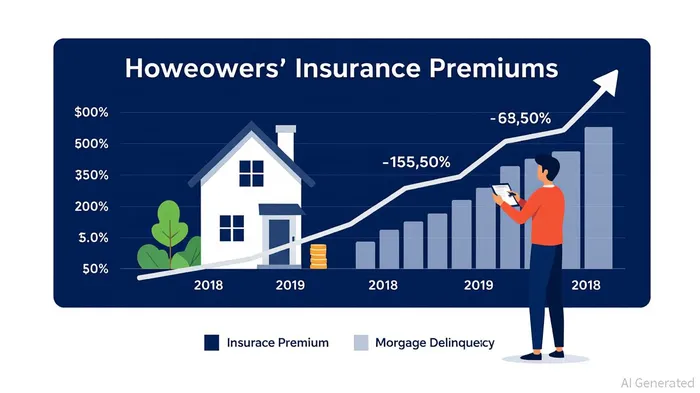
The strain extends to broader markets. FHA loans, which account for 30% of mortgages, saw delinquency rates climb to 10.6% by early 2025, with Florida leading the rise. This reflects a systemic vulnerability: borrowers in disaster-prone areas face a triple burden of high premiums, stagnant incomes, and climate-driven repair costs.
Short-Term Opportunities in Mortgage REITs
Mortgage REITs, which pool mortgage-backed securities (MBS) and earn spreads between borrowing and lending rates, could benefit from this volatility. Key considerations:
Diversification and Risk Mitigation
mREITs with exposure to government-backed loans (Fannie Mae, Freddie Mac, or FHA/VA) may weather delinquency spikes better. These loans, though riskier for borrowers, offer federal guarantees that reduce default impacts on portfolios.Interest Rate Dynamics
The Federal Reserve's pause on rate hikes since mid-2024 has stabilized borrowing costs. mREITs like Annaly Capital (NLY) or AGNC Investment (AGNC), which rely on short-term borrowing and long-term MBS holdings, could see narrower spreads narrowing if rates stabilize.Regional Focus
Avoid mREITs concentrated in climate-vulnerable states like Florida or Texas. Instead, favor those with diversified portfolios or exposure to safer regions (e.g., the Pacific Northwest).
Long-Term Risks to Housing Stability
The climate-insurance nexus poses existential risks. Premiums for high-risk properties could rise an additional $700 annually by 2053, per NYU projections, pricing many households out of homeownership. Key concerns:
Affordability Crises
In Florida, 5% of residents rely on state-backed insurance, but even this is becoming unaffordable. Rising premiums could depress home values by up to 10% over 20 years in exposed areas, as buyers factor in insurance costs.Structural Underwriting Flaws
FHA loans, while accessible, lack loss mitigation tools post-foreclosure. Defaults here could strain government programs, echoing the 2008 crisis but with climate as the catalyst.Demographic Shifts
Younger buyers, already challenged by high mortgage rates (7% in 2023), now face triple burdens: principal, interest, and soaring insurance. This could slow demand, particularly in disaster zones.
Investment Strategy: Balance Prudence and Opportunism
Short-Term Plays:
- Invest in mREITs with diversified portfolios and federal loan exposure. Monitor their leverage ratios and hedging strategies.
- Consider inverse ETFs (e.g., SRS, shorting homebuilder stocks) if delinquency fears spook the broader market.
Long-Term Caution:
- Avoid real estate in climate-exposed regions unless pricing reflects risk.
- Favors sectors insulated from housing cycles, like rental REITs or infrastructure plays.
Conclusion: A Divided Market Requires Discernment
The interplay of climate-driven insurance costs and mortgage markets presents a paradox: short-term mREIT opportunities amid delinquency fears, yet long-term existential risks to housing stability. Investors should capitalize on REITs with prudent risk management while avoiding prolonged exposure to vulnerable regions. The path forward demands vigilance—not just to interest rates, but to the rising tides of climate costs reshaping America's housing landscape.
Act now on mREITs with government-backed portfolios, but hedge against the coming reckoning in high-risk real estate.

Stay ahead of the market.
Get curated U.S. market news, insights and key dates delivered to your inbox.
AInvest
PRO
AInvest
PRO



Comments
No comments yet