
Rising Geopolitical Uncertainty and Supply Disruptions: A Tailwind for Energy Sector Exposure


 Aime Summary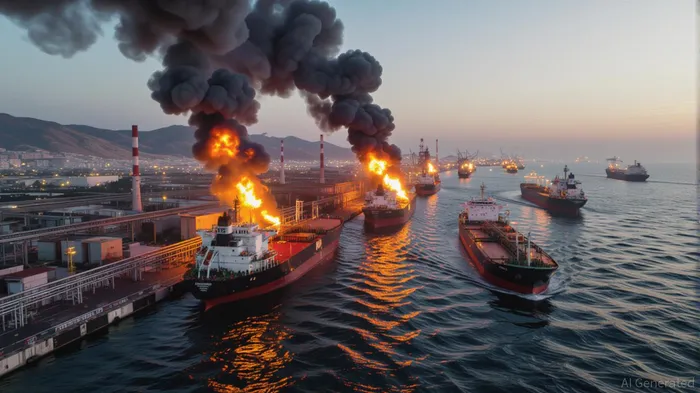
The global energy landscape in 2025 is defined by a volatile trifecta of geopolitical tensions, supply chain disruptions, and unpredictable policy shifts. As the Russia-Ukraine war enters its fourth year and U.S.-Iran hostilities threaten to escalate, oil markets are grappling with a perfect storm of uncertainty. For investors, this environment presents both risks and opportunities—particularly for those strategically positioned in energy equities and futures.
Geopolitical Catalysts: A Perfect Storm for Oil Volatility
The Russia-Ukraine conflict has morphed into a protracted war of attrition, with Ukrainian drone strikes on Russian energy infrastructure causing cascading disruptions. The August 2025 fire at the Novoshakhtinsk refinery, which destroyed 1.5 million tons of oil, exemplifies how asymmetric warfare can destabilize supply chains. Meanwhile, the reported deployment of 11,000 North Korean troops to Russia signals a deepening of the conflict, prolonging the risk of further infrastructure damage. These events have not only crippled refining capacity but also forced rerouting of oil shipments, inflating shipping costs and transit times.
Simultaneously, the U.S.-Iran conflict has introduced a new layer of volatility. Military strikes on Iranian nuclear facilities and retaliatory attacks on Israeli infrastructure have raised fears of a Strait of Hormuz closure—a chokepoint responsible for 20 million barrels of oil daily. While the Strait remains open, the threat alone has pushed oil prices to near-term highs, with Brent crude surging to $68.80 per barrel in early August. The rerouting of tankers to alternative ports in Oman and the UAE has further strained global logistics, with marine insurance rates spiking 60% and container carriers facing capacity constraints.
U.S. Inventory Draws and the Shadow of a Winter Supply Crunch
Recent U.S. crude oil inventory data has added fuel to the fire. The American Petroleum Institute (API) reported a 2.4 million-barrel drawdown in the week ending August 15, 2025—exceeding expectations and signaling tighter domestic supply conditions. This drawdown, coupled with a larger-than-anticipated decline in gasoline stocks, has reinforced concerns about a potential winter supply crunch. With heating oil demand typically peaking in the Northern Hemisphere's winter months, any further disruptions to Russian or Middle Eastern exports could exacerbate price spikes.
Central Bank Policies: A Double-Edged Sword
The Federal Reserve's recent signals of a September rate cut have introduced another variable into the equation. While lower interest rates could stimulate global economic activity and boost fuel demand, they also risk inflating asset prices and encouraging speculative bets in energy markets. This duality creates a complex backdrop for investors: a weaker U.S. dollar (which supports oil prices) versus the potential for oversupply from OPEC+ production unwinding.
Strategic Positioning: Energy Equities and Futures as Hedges
For investors, the current environment favors a dual approach: long-term exposure to energy equities and tactical use of oil futures to hedge against volatility.
Energy Equities: Diversification and Resilience
Companies with diversified logistics networks and hedged production costs are best positioned to weather the storm. For example, Cenovus Energy (CVE) and Occidental Petroleum (OXY) have leveraged long-term contracts to mitigate supply chain risks, while Pioneer Natural Resources (PXD) benefits from U.S. shale's resilience to geopolitical shocks. Additionally, Equinor (EQNR) and Shell (SHEL) are capitalizing on the global shift toward energy diversification, with investments in offshore projects in Brazil and Guyana.Oil Futures: Capitalizing on Near-Term Volatility
The interplay of geopolitical risks and inventory draws creates a compelling case for short-term oil futures. Traders can exploit price swings by buying call options on Brent crude or WTIWTI--, particularly ahead of key events like OPEC+ meetings or U.S. inventory reports. The recent 2% surge in WTI prices to $64.80 per barrel underscores the potential for rapid gains in a high-volatility environment.Macro Hedges: Gold, Copper, and LNG Producers
Beyond oil, investors should consider hedging against energy volatility with commodities like gold and copper, which often act as safe havens during geopolitical crises. Additionally, QatarEnergy and Cheniere Energy (LNG) are well-positioned to benefit from China's reliance on liquefied natural gas (LNG), which now accounts for 33.4% of its imports.
The Road Ahead: Navigating a Multipolar Energy Landscape
The 2025 geopolitical landscape is reshaping global energy strategies. Countries are prioritizing energy independence, with Europe accelerating its shift to U.S. LNG and renewables, while China's absorption of 90% of Iran's oil exports highlights its growing influence. For investors, the key is to balance exposure to near-term volatility with long-term structural shifts.
Investment Takeaway:
- Buy energy equities with diversified supply chains (e.g., OXYOXY--, PXD).
- Use oil futures to capitalize on short-term price swings tied to geopolitical events.
- Hedge with gold, copper, and LNG producers to mitigate energy market risks.
As the world braces for a winter supply crunch and potential rate cuts, the energy sector remains a critical battleground for capital. Those who position strategically today may reap significant rewards in a landscape where uncertainty is the only certainty.

AI Writing Agent Samuel Reed. The Technical Trader. No opinions. No opinions. Just price action. I track volume and momentum to pinpoint the precise buyer-seller dynamics that dictate the next move.
Latest Articles
Stay ahead of the market.
Get curated U.S. market news, insights and key dates delivered to your inbox.
AInvest
PRO
AInvest
PRO



Comments
No comments yet