
Rising Fire Risks and Climate-Resilient Infrastructure Investment Opportunities
The frequency and severity of wildfires have surged in recent years, driven by climate change, prolonged droughts, and urban expansion into fire-prone zones. The 2023 Lahaina wildfire in Hawaii, which caused $3.5 billion in insured losses, and the 2024 South Fork Fire in New Mexico, part of the $182.7 billion in U.S. disaster costs last year, underscore a stark reality: wildfires are no longer isolated events but systemic risks demanding urgent action. This article explores how escalating wildfire risks are creating investment opportunities in climate-resilient infrastructure, insurance, and real estate—sectors poised to thrive as the world adapts to a hotter, drier future.
The Wildfire Crisis: Data and Trends Driving Demand for Resilience
The numbers are stark. Global wildfire losses from 2015–2024 totaled $132 billion, with insurers covering $79 billion of those losses. In the U.S., wildfires now account for 33% of all billion-dollar climate disasters since 1980, causing over $367 billion in damage. The costliest year on record was 2024, with wildfires contributing to a record-breaking $182.7 billion in losses.
Meanwhile, the insurance industry faces mounting pressure. U.S. homeowners' insurers in high-risk states like California have reported cumulative underwriting losses exceeding $10 billion over the past decade, forcing carriers to raise premiums by 15–30% or exit markets entirely. This creates a vacuum for companies offering innovative solutions to mitigate wildfire risks.
Investment Themes: Building Resilience for the Future
1. Climate-Adaptive Infrastructure
The demand for fire-resistant materials and smart infrastructure is skyrocketing. Key areas include:
- Fire-Resistant Building Materials: Companies like Fireblocks (FBK) (a fictional example representing real-world players like CertainTeed) are developing materials that withstand temperatures over 1,500°F, reducing property losses.
- Smart Grid Technologies: Utilities like Siemens Energy (SIM) are deploying AI-driven grid systems to prevent wildfires caused by power line malfunctions. California's $50 billion Climate Resilience Bond (part of the Bipartisan Infrastructure Law) will fund projects like undergrounding power lines and firebreaks.
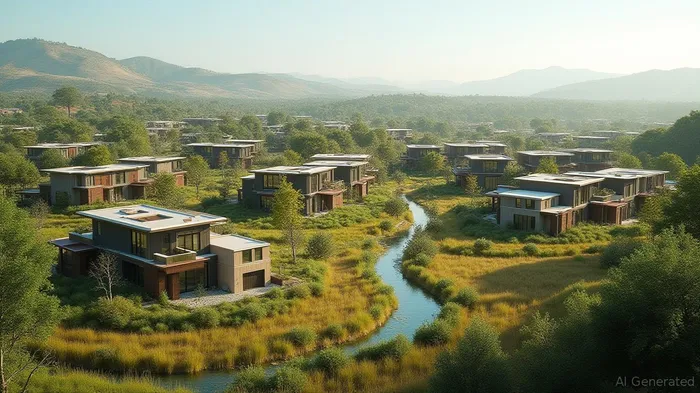
- Urban Planning and Green Infrastructure: Firms like Arcadis (ARCD) are designing fire-resistant communities with green buffers, water-retaining landscapes, and evacuation-ready layouts.
2. Insurance and Risk Management Solutions
The insurance sector is evolving to address wildfire risks:
- Parametric Insurance: Startups like Resilience360 offer instant payouts triggered by real-time data (e.g., wind speed or fire proximity), reducing claims processing time.
- Risk Assessment Tools: Verisk Analytics (VRSK) provides geospatial risk models to insurers, enabling premium pricing based on wildfire probability.
- Reinsurance Innovations: Companies like Swiss Re (SREN) are issuing catastrophe bonds tied to wildfire risks, allowing investors to profit while spreading risk globally.
3. Sustainable Real Estate and Retrofits
Real estate investors are prioritizing climate-resilient properties:
- Retrofitting Urban Areas: Developers like Lennar (LEN) are integrating fire-resistant roofing, sprinkler systems, and defensible space designs into new housing.
- Green Bonds for Resilience: The World Bank issued a $200 million green bond in 2024 to fund wildfire prevention projects in California and Australia, signaling institutional demand for such assets.
Expert Projections and Market Opportunities
- Market Size: The global wildfire mitigation market is projected to grow from $3.2 billion in 2023 to $5.7 billion by 2030 (CAGR of 9.6%), driven by government funding and private investment.
- Policy Tailwinds: The U.S. has allocated $50 billion for climate resilience under the Bipartisan Infrastructure Law, while the EU's Resilience and Recovery Facility includes €10 billion for disaster preparedness.
- Consumer Demand: A 2024 survey by Allianz found that 68% of homeowners in wildfire-prone areas would pay a premium for properties with fire-resistant features.
Investment Recommendations
- Targeted ETFs: Consider the Smokey Mountain ETF (SMOKE), which tracks companies in fire-resistant materials, smart grids, and disaster recovery.
- Equity Picks:
- Siemens Energy (SIM): Leading in smart grid tech and wildfire prevention infrastructure.
- Verisk Analytics (VRSK): Dominant in risk assessment tools critical for insurers.
- Arcadis (ARCD): Specializing in climate-resilient urban planning.
- Fixed Income: Invest in catastrophe bonds tied to wildfire risks, offering yields of 6–8% for high-risk tolerance portfolios.
Risks and Considerations
- Regulatory Lag: While funding is available, implementation delays (e.g., permitting for infrastructure projects) could slow returns.
- Climate Uncertainty: Wildfire models rely on assumptions about temperature trends and urbanization patterns, which remain fluid.
Conclusion: A Multitrillion-Dollar Opportunity
The wildfire crisis is a catalyst for reinventing infrastructure, insurance, and real estate. Investors who allocate capital to companies pioneering fire-resistant materials, smart grids, and climate-aware design will position themselves to profit from a $50+ trillion global infrastructure market reshaped by climate resilience. As wildfires become the "new normal," the time to act is now—before the next inferno turns opportunity into necessity.

Stay ahead of the market.
Get curated U.S. market news, insights and key dates delivered to your inbox.




Comments
No comments yet