
Rising Diesel Prices Create Momentum for Alternative Energy Investments
The global diesel market is in a state of flux. After 27 consecutive months of year-over-year price declines, prices surged in June 2025, driven by geopolitical instability, supply chain disruptions, and shifting refinery dynamics. The U.S. diesel price hit $3.571 per gallon by mid-June—the largest weekly increase since 2023—while global prices averaged $1.18 per liter. This volatility underscores a critical inflection pointIPCX-- for industries reliant on diesel, such as logistics and consumer goods, but also presents a golden opportunity for investors in alternative energy infrastructure and fuel-efficient technologies.
The Diesel Price Surge: Causes and Consequences
The Iran-Israel conflict has been a catalyst for recent spikes, with Iranian oil exports plummeting from 1.7 million barrels per day (bpd) to just 102,000 bpd by mid-June. Geopolitical tensions have tightened global supply, while refineries in the U.S. and Asia face operational constraints, further limiting output. Meanwhile, the International Energy Agency (IEA) revised its 2025 oil demand growth forecast downward to 720,000 b/d, signaling a buyer's market amid lingering uncertainty.
For logistics companies, these trends are a double-edged sword. Diesel accounts for 20–30% of trucking costs, and rising prices squeeze margins. The ripple effects extend to consumers: higher freight costs translate to inflated prices for goods, from groceries to electronics. Yet this pressure is also a catalyst for innovation.
Opportunities in Alternative Energy Infrastructure
The push to reduce reliance on diesel is accelerating. Investors should focus on two key areas: electrification of transportation and renewable energy infrastructure.
- Electric Vehicles (EVs) and Charging Networks
EV adoption is critical to reducing diesel dependence. Trucks, buses, and delivery vehicles are increasingly transitioning to electric power. Companies like Tesla (TSLA) and Nikola (NKLA) are pioneers in electric and hydrogen fuel-cell trucks.
Tesla's advancements in battery technology and charging networks position it to capitalize on this shift. Meanwhile, hydrogen fuel-cell companies like Nikola are targeting long-haul freight, a sector where diesel has traditionally dominated.
- Renewable Energy and Energy Storage
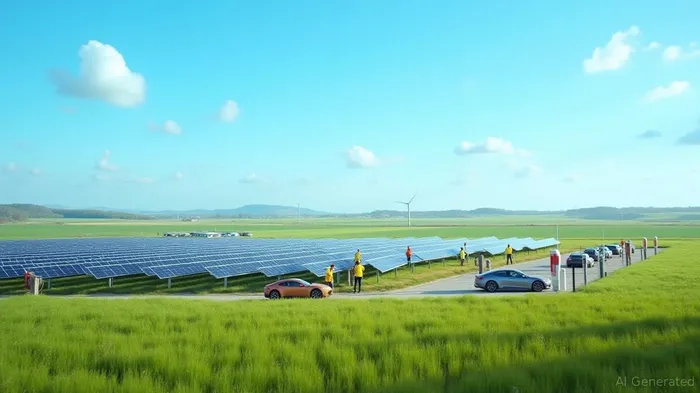
Solar and wind power, paired with advanced energy storage systems, can reduce the need for diesel in remote or off-grid locations. NextEra Energy (NEE), a leader in renewable infrastructure, and Tesla's Powerwall (TSLA) are prime examples.
- Fuel Efficiency Technologies
For industries that cannot fully abandon diesel yet, efficiency gains are vital. Companies like Cummins (CMI) and Westport Fuel Systems (WPRT) are developing hybrid engines and cleaner-burning fuels. These innovations can reduce fuel consumption by up to 30%, offering a stopgap solution while alternatives scale.
Data-Backed Investment Strategies
The market is already pricing in these trends. Investors should prioritize companies with:
- Strong R&D pipelines in EVs, hydrogen, or energy storage.
- Exposure to infrastructure projects, such as EV charging networks or solar installations.
- Cost-efficient production models for alternative fuels like biodiesel.
Nikola's stock surged 40% in early 2025 as it secured partnerships with Walmart and UPS for hydrogen-powered trucks. Similarly, Plug Power (PLUG), a hydrogen fuel supplier, has seen demand rise alongside industrial decarbonization mandates.
Risks and Considerations
While the long-term outlook is bullish for alternatives, investors should monitor risks:
- Policy changes: Subsidies or taxes can accelerate or hinder adoption.
- Supply chain bottlenecks: Critical minerals for EV batteries (e.g., lithium, cobalt) remain constrained.
- Geopolitical volatility: Conflicts like Iran-Israel could disrupt oil markets further, but also fast-track alternatives.
Conclusion: Positioning for a Post-Diesel Future
Rising diesel prices are a symptom of systemic risks in fossil fuel dependency. For investors, this is a clarion call to pivot toward sustainable infrastructure and innovative technologies. Companies leading in EVs, renewable energy, and efficiency will likely outperform as industries adapt.
Actionable advice:
- Overweight renewable energy infrastructure and EV leaders (e.g., NEE, TSLA).
- Underweight pure-play diesel producers unless they pivot to cleaner fuels.
- Monitor geopolitical developments, as they may accelerate the shift to alternatives.
The transition away from diesel is inevitable—those who invest in its alternatives will reap rewards as the world seeks stability in an increasingly volatile energy landscape.

Delivering real-time insights and analysis on emerging financial trends and market movements.
Latest Articles
Stay ahead of the market.
Get curated U.S. market news, insights and key dates delivered to your inbox.


AInvest
PRO
AInvest
PRO



Comments
No comments yet