
Rising Demand for Sustainable Diesel Alternatives: Strategic Investment Opportunities in Renewable Energy Infrastructure
The global energy landscape is undergoing a seismic shift as governments and corporations accelerate their transition away from fossilFOSL-- fuels. Among the most critical sectors driving this transformation is the sustainable diesel alternatives market, fueled by regulatory mandates, technological innovation, and corporate ESG commitments. For investors, this convergence creates a compelling risk-reward proposition. Companies positioned to scale production, leverage tax incentives, or form strategic partnerships stand to benefit from structural demand growth.
Regulatory Tailwinds: Mandates and Tax Incentives Drive Adoption
The U.S. Environmental Protection Agency's (EPA) Renewable Fuel Standards (RFS) for 2024–2025 are a cornerstone of this shift. The RFS mandates a gradual increase in biofuel use, with biomass-based diesel volumes rising from 2.89 billion gallons in 2024 to 2.95 billion in 2025 (a 2.67% share of total transportation fuel by 2025). These targets are part of a broader trajectory to reach 7.43 billion gallons of advanced biofuel by 2025, signaling a policy-driven push for decarbonization.
Complementing these mandates is the Clean Fuel Production Credit (CFPC) under the Inflation Reduction Act, which replaces expiring tax incentives. The CFPC offers a $1.00/gallon credit for producers meeting wage and apprenticeship standards, while sustainable aviation fuel (SAF) receives up to $1.75/gallon. This framework not only stabilizes cash flows for producers but also incentivizes investments in low-emission infrastructure.
Neste, a global leader in renewable diesel, has capitalized on these tailwinds. Its stock has risen +120% since 2020, reflecting investor confidence in its scale and R&D capabilities.
Technological and Production Innovations: Scaling for Future Demand
Technological advancements are critical to meeting rising demand. The EPA's inclusion of eRINs (renewable electricity credits) in the RFS—allowing EV manufacturers to generate credits from biogas—expands the definition of “renewable fuel,” creating cross-sector synergies. Meanwhile, partnerships like Neste's collaboration with Chevron Lummus Global to advance cellulosic biofuel production highlight how companies are scaling up to meet targets.
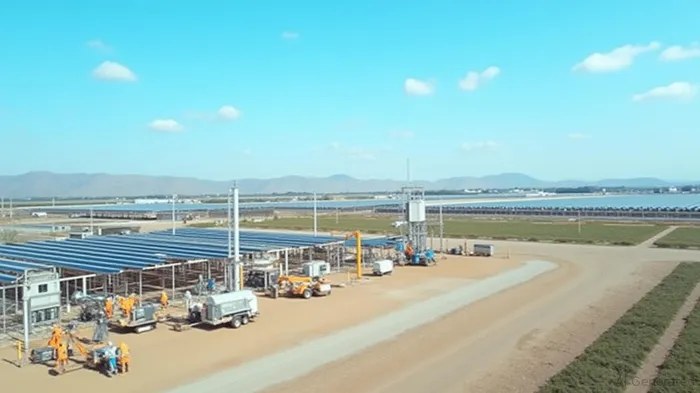
The scalability of production is a key differentiator. Companies with feedstock flexibility (e.g., using waste oils, agricultural residues) and low-carbon processes are best positioned. Renewable Energy Group (REG), the largest U.S. biodiesel producer, exemplifies this. Its Horizon project, aiming to produce 45 million gallons of renewable diesel annually using non-food-based feedstocks, aligns with RFS goals and positions it to capture market share.
Corporate ESG Commitments: A Structural Demand Catalyst
Corporate ESG goals are accelerating demand for sustainable diesel. Airlines, shipping firms, and logistics giants are under pressure to reduce emissions, driving uptake of SAF and renewable diesel. For instance, Delta Air Lines has committed to sourcing 10% SAF by 2030, while Maersk aims for carbon-neutral shipping by 2040. These targets create long-term contracts and revenue visibility for producers.
Even oil majors like ExxonMobil (XOM) and Chevron (CVX) are pivoting, investing in biofuel joint ventures to diversify portfolios. Chevron's partnership with Neste underscores how traditional energy players are adapting to regulatory and market shifts.
Investment Opportunities: Targeting Scalable Producers and Strategic Partners
The combination of regulatory support, technological progress, and corporate demand creates three key investment themes:
- Pure-Play Producers with Scalability:
- Neste (HE:NESTE): Industry leader in renewable diesel with global production capacity and partnerships.
Renewable Energy Group (REG): U.S. innovator with advanced feedstock utilization and a focus on SAF.
Technology Enablers and Partnerships:
- DuPont (DD): Provides enzymes for cellulosic biofuel production.
Waste Management (WM): Supplies feedstock (e.g., used cooking oil) to biofuel producers.
Infrastructure Plays:
- Energy Transfer (ET): Expanding terminals to handle renewable fuels.
- ETFs: The Invesco Solar ETF (TAN), while broader, tracks the renewable energy sector's growth.
Risks and Considerations
Despite the tailwinds, risks persist. The CFPC's implementation timeline remains uncertain, and some industry groups argue RFS targets are too conservative. Additionally, policy changes (e.g., revisions to eRINs) could disrupt market dynamics. Investors should prioritize companies with diverse revenue streams and low leverage, as well as those benefiting from bipartisan support (e.g., the American Clean Fuels Association's lobbying efforts).
Conclusion: A Structural Shift with Long-Term Growth
The rise of sustainable diesel alternatives is not a passing trend but a structural shift driven by regulation, innovation, and corporate responsibility. For investors, the sector offers exposure to a $100+ billion market with high growth potential. Companies like Neste and REG, backed by scalable production and strategic partnerships, are well-positioned to capitalize on this transition. While risks exist, the confluence of supportive policies and corporate commitments suggests a compelling risk-reward profile. Investors should consider allocating to this space as part of a diversified renewable energy portfolio.
In short, the diesel transition is here. Those who act now may secure outsized returns as the world shifts to cleaner energy.

Stay ahead of the market.
Get curated U.S. market news, insights and key dates delivered to your inbox.


AInvest
PRO
AInvest
PRO



Comments
No comments yet