
Rising Demand for Collectibles and Vintage Items: A Hidden Gem in the Retail Market
The retail sector is in flux, with consumers shifting toward experiences over ownership and sustainability over disposability. Amid this transformation, one market segment is quietly thriving: collectibles and vintage items. Driven by nostalgia, scarcity economics, and cultural relevance, items like vintage toys, retro electronics, and limited-edition fashion are emerging as lucrative investments. Let's unpack why—and how to capitalize on this trend.
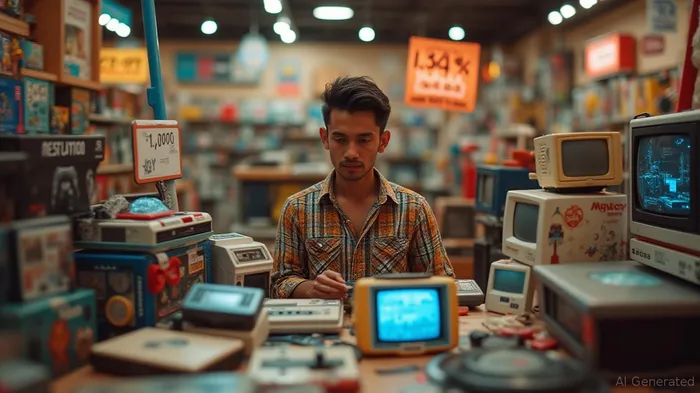
The Nostalgia Factor: Why Vintage Items Are Trending Again
The younger generations—Gen Z and millennials—are rewriting consumer culture by embracing the past. Y2K nostalgia, fueled by throwback TV shows like Euphoria and TikTok's endless revivals of 2000s fashion, has turned retro into a status symbol.
Take Youtooz, a company specializing in licensed character merchandise (think musicians and memes), which secured major funding in 2023. Its success underscores the demand for nostalgic pop culture memorabilia. Meanwhile, platforms like eBayEBAY-- and The RealRealREAL-- report surging sales of Prada's Crystal Re-Edition 2000 mini bag, with prices spiking 1,344% year-over-year by 2023.
The Fabergé egg auctioned in London for $9.6 million in 2023 highlights how culturally significant items command premiums. But you don't need a Ming Dynasty vase (sold for $24.5 million) to profit—mid-range collectibles ($50–$500) now account for 49% of the global second-hand collectibles market, growing at a 6.7% CAGR.
Scarcity Economics and Auction Trends
Scarcity is the engine of this boom. With only 25% of collectibles surviving decades of wear and tear, the law of supply and demand ensures prices rise. The auction market is where this scarcity is monetized:
- Vintage toys tied to anime, K-pop, or classic franchises (e.g., Star Wars) have seen prices double in the last five years.
- Retro electronics, like the original Nintendo Entertainment System or first-gen iPods, now fetch 10–20x their original prices at niche auctions.
- Limited-edition fashion, such as Miu Miu's SS05 collection or Simone Rocha's designs, saw demand surge 635% year-over-year by 2024.
Investing in Undervalued Assets: Metrics and Strategies
To spot undervalued gems, focus on three pillars:
Historical Price Growth:
Track items with proven appreciation. For example, vintage LEGO sets from the 1980s–90s have seen 500–1,000% returns over 20 years. Use platforms like StockX or eBay's Vintage & Collectibles section to monitor trends.Cultural Relevance:
Invest in items tied to defining moments—think Y2K-era fashion (low-rise jeans, velour tracksuits) or Pokémon cards from the late 1990s. Brands like Prada and Dior dominate the high-end vintage market, but smaller, niche brands with cult followings (e.g., Supreme's early collaborations) are equally promising.Scarcity and Authentication:
Only authenticated items hold long-term value. Partner with platforms like eBay (which uses AI authentication) or PSA (for trading cards) to mitigate counterfeit risks.
Risks and Considerations
- Counterfeits: Up to 30% of collectibles online are fake. Always use verified sellers or auction houses.
- Regional Demand: Asia-Pacific accounts for 31.3% of the global collectibles market, driven by K-pop and anime fandoms. Investors should analyze regional trends before buying.
- Storage and Liquidity: Vintage items require careful preservation, and liquidity can be slow for non-iconic pieces.
Actionable Insights for Investors
- Target Mid-Range Collectibles: Focus on $50–$500 items, which dominate 49% of the market and offer better risk-adjusted returns than high-end rarities.
- Leverage Tech Platforms: Use eBay, StockX, or The RealReal to track price trends and authenticate items.
- Watch for Cultural Revivals: The next big trend could be 1990s grunge fashion or early 2000s tech gadgets—stay ahead of social media's nostalgia waves.
Conclusion
The collectibles market isn't just for hobbyists—it's a $248.9 billion opportunity by 2034. Investors who blend nostalgia with data-driven analysis can turn everyday items into tomorrow's treasures. Whether it's a Sega Genesis, a Prada Y2K bag, or a signed Nirvana poster, the key is to buy low, authenticate well, and ride the wave of cultural revival.
The future belongs to those who remember the past.
Data Sources: Second-hand Collectibles Market Report 2025, eBay Investor Relations, StockX, The RealReal.

Stay ahead of the market.
Get curated U.S. market news, insights and key dates delivered to your inbox.
AInvest
PRO
AInvest
PRO



Comments
No comments yet