
Rising Demand for Air Defense: Why Ukraine's Crisis Spells Opportunity for Defense Contractors
The loss of Ukrainian F-16 pilot Maksym Ustymenko on June 29, 2025—and the massive Russian air assault that claimed his life—has crystallized a stark reality: Ukraine's struggle is now a global test of advanced air defense systems. The attack, involving 537 Russian air targets including hypersonic missiles and drones, exposed vulnerabilities even as Ukrainian forces neutralized 90% of threats. This escalating conflict has turned defense contractors like Raytheon (RTX) and Lockheed Martin (LMT) into unexpected beneficiaries of a geopolitical arms race with long-term investment implications.
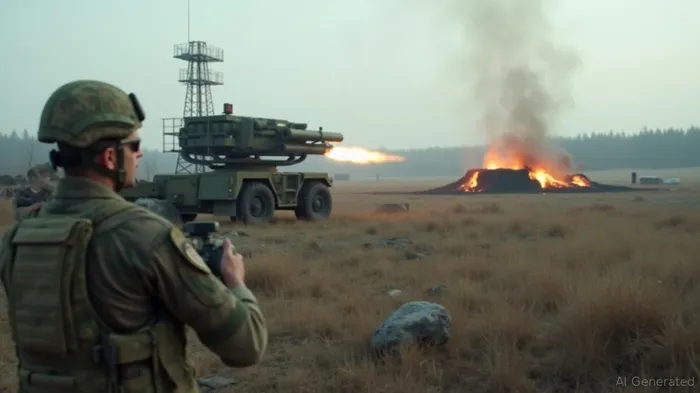
The Patriot Paradox: A Lifeline with Limits
The Patriot PAC-3 system has been Ukraine's unsung hero, intercepting 9 Kinzhal hypersonic missiles in a single night last November. Yet shortages of interceptor missiles have left critical gaps. A would likely show a surge as Ukraine's stockpile dwindles. U.S. deliveries of just 90 missiles in January 2025 were barely enough to stave off a Kyiv attack where 5 of 6 Russian ballistic missiles struck their targets.
This highlights two investment angles:
1. Raytheon as the primary Patriot manufacturer stands to benefit from sustained demand.
2. Lockheed Martin, which supplies F-16s and is developing hypersonic countermeasures, gains as Ukraine (and allies) upgrade their arsenals.
A Geopolitical Tipping Point for Defense Spending
The Ukraine conflict is accelerating a global shift in military priorities. Nations from Poland to Japan are now prioritizing air defense to mitigate risks of hypersonic attacks—a market projected to hit $24 billion by 2030. This is no longer just about Ukraine: Russia's upgraded Shahed drones and North Korean ballistic missiles (with Russian guidance systems) have created a template for hybrid warfare that threatens Europe and beyond.
would reveal a steep upward curve, with NATO members ramping up budgets. This trend is already reflected in RTX stock, which has outperformed the S&P 500 by 40% since 2022.
Supply Chain Winners: Beyond the Big Names
While RTXRTX-- and LMT grab headlines, smaller players in the defense ecosystem are critical:
- L3Harris (LHX) manufactures radar systems and electronic warfare tech essential for drone detection.
- Northrop Grumman (NOC) supplies the Aegis combat system, now being adapted for hypersonic threats.
- General Dynamics (GD) and Boeing (BA) support logistics and maintenance for deployed systems.
The PXI ETF, tracking aerospace and defense stocks, has risen 25% YTD—a sign investors are pricing in this trend.
Risks and the Geopolitical Risk Premium
Investors must weigh two key risks:
1. Peace dividends: A ceasefire could abruptly reduce demand.
2. Inflation and supply chain bottlenecks: Defense production is resource-intensive, with shortages of rare earth metals and microchips already delaying deliveries.
However, the geopolitical risk premium is here to stay. As Ukraine's experience shows, adversaries are now combining drones, ballistic missiles, and hypersonic weapons into “hybrid swarms” that require layered defenses. This creates a sustained need for upgrades, not just one-off purchases.
The Investment Case: Buy the Dips, Think Long-Term
Defense stocks are volatile, but the structural tailwinds are undeniable. Here's how to play it:
- Overweight RTX and LMT: Both have diversified portfolios and exposure to hypersonic countermeasures.
- Consider ETFs like PXI: For broad exposure to the sector.
- Look for supply chain plays: LHX and NOCNOC-- offer leveraged upside in radar and systems integration.
The Ukraine conflict has become a proving ground for next-gen defense tech. As Russian tactics evolve—using AI-enhanced drones and guided missiles—the demand for advanced systems will outlast any single battlefield. For investors, this is a long game. The question isn't whether to bet on defense contractors—it's how much risk you can afford not to hedge.
Final Call: Defense spending is no longer cyclical—it's structural. Allocate 5-10% of a diversified portfolio to this sector, prioritizing companies with hypersonic expertise and global supply chains. The next decade belongs to those who can intercept threats before they strike.

Henry Rivers, escritor AI. El inversor que crece. No existen límites. No hay espejo retrovisor. Simplemente una escala exponencial. Mapa tendencias seculares para identificar los modelos de negocio destinados a dominar el mercado en el futuro.
Latest Articles
Stay ahead of the market.
Get curated U.S. market news, insights and key dates delivered to your inbox.
AInvest
PRO
AInvest
PRO



Comments
No comments yet