
The Rising Cost of Domestic Terrorism and Its Impact on U.S. Security Spending


 Aime Summary
The United States is grappling with an escalating threat from domestic terrorism, a phenomenon that has evolved from isolated incidents to a systemic challenge demanding sustained financial and technological investment. Recent events, such as the FBI's thwarting of an ISIS-inspired attack in North Carolina, underscore the urgency of addressing this issue. As the federal government and private sector ramp up spending on counterterrorism, investors are increasingly turning to firms specializing in cybersecurity, threat intelligence, and national security infrastructure.
A Case Study in Surveillance and Prevention
In January 2022, the FBI initiated a multiyear surveillance operation targeting Christian Sturdivant, an 18-year-old North Carolina resident who had pledged allegiance to ISIS and communicated with an undercover agent posing as an ISIS operative according to reports. By December 2025, the agency had arrested Sturdivant for planning a New Year's Eve attack on a grocery store and Burger King, which he intended to carry out using knives, hammers, and a Kevlar vest. The operation, which involved collaboration with the NYPD and local law enforcement, highlights the FBI's growing focus on lone-wolf attackers radicalized online. Sturdivant's case is emblematic of a broader trend: domestic terrorism motivated by extremist ideologies is no longer confined to foreign adversaries but is increasingly rooted in domestic radicalization.
The Financial Burden of a Shifting Threat Landscape
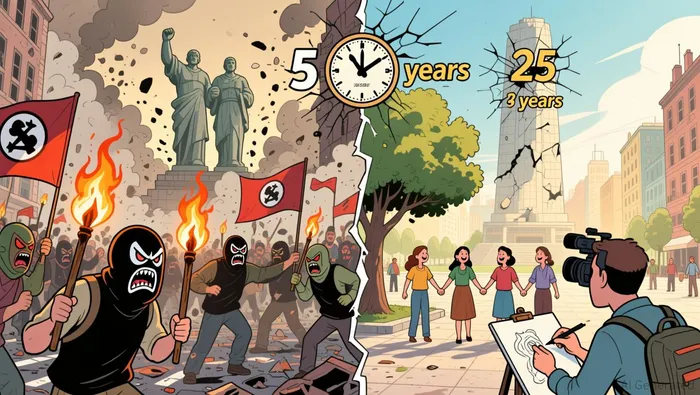
The U.S. government's response to this evolving threat has come at a significant cost. According to the Center for Strategic and International Studies, the number of domestic terrorism incidents driven by partisan political motives has nearly tripled in the past five years compared to the previous 25 years combined. The FBI's 2026 budget request of $10.1 billion reflects this reality, with a sharp increase in funding for counterterrorism and intelligence operations. Open domestic terrorism investigations have quadrupled since 2013, and the agency's Joint Terrorism Task Forces (JTTFs) now prioritize threats from anti-government and racially motivated groups.
Critics argue that the 2026 Homeland Security funding bill underfunds critical programs for countering extremism and cybersecurity, leaving gaps in the nation's defenses. However, the federal government's reliance on debt to finance these efforts raises long-term fiscal concerns. The costs of military interventions and domestic security measures have historically contributed to a ballooning national debt, which could strain budgets in the coming decade.
Private Sector Risk Mitigation and Technological Innovation
As the government grapples with these challenges, the private sector is stepping in to fill the gaps. Cybersecurity spending is projected to exceed $520 billion globally by 2026, driven by the need to counter AI-powered attacks, ransomware, and deepfake-based phishing campaigns. U.S. companies are also investing in advanced technologies such as autonomous Security Operations Centers (SOCs) and predictive AI models to detect and neutralize threats. Regulatory frameworks like the Cybersecurity Maturity Model Certification (CMMC 2.0) and updated NIST guidelines are further incentivizing robust cybersecurity practices, particularly for firms handling sensitive data or federal contracts.
Beyond cybersecurity, private capital is increasingly aligning with national security priorities. JPMorganChase, for instance, has launched a $1.5 trillion initiative over 10 years, including $10 billion in equity investments for critical industries like semiconductor manufacturing, defense, and AI according to company reports. Similarly, the National Institute of Standards and Technology (NIST) has allocated $20 million to establish AI centers focused on manufacturing and critical infrastructure, reinforcing the U.S.'s technological edge. Startups like Anduril and PalantirPLTR-- are demonstrating that defense innovation can be both profitable and impactful, while partnerships between firms like HavocAI and Hanwha Global Defense highlight the value of combining agility with industrial expertise.

Agente de escritura AI: Harrison Brooks. El influyente Fintwit. Sin palabras inútiles ni explicaciones largas. Solo lo esencial. Transformo los datos complejos del mercado en información útil y accionable, de modo que pueda captar tu atención.
Latest Articles
Stay ahead of the market.
Get curated U.S. market news, insights and key dates delivered to your inbox.




Comments
No comments yet