
Rising Builder Incentives: A Goldmine for Real Estate Investors in 2025
The U.S. housing market is undergoing a seismic shift, with unsold home inventory reaching levels not seen since the 2008 financial crisis. For real estate investors, this presents a rare opportunity to secure properties at discounted prices and favorable terms. Builders, struggling to offload surging inventory, are now offering unprecedented incentives—from mortgage buydowns to price reductions—creating prime entry points for buyers. Let's dissect the data and identify where the best deals lie.
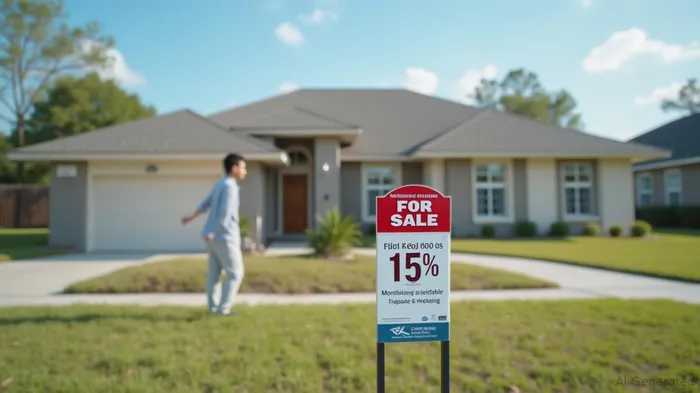
The Inventory Surge: A Seller's Crisis, Buyer's Goldmine
National unsold inventory of single-family homes has skyrocketed by 31.5% since May 2024, hitting 1.036 million units as of May 2025. Ten states—including Florida, Texas, and Arizona—now have inventory exceeding pre-pandemic 2019 levels. In markets like Punta Gorda, Florida, and Austin, Texas, builders face such oversupply that 39.5% of listings now include price cuts, the highest rate in 15 years.
The catalyst? A lethal combination of high mortgage rates (averaging 6.82% in May 2025) and speculative overbuilding during the post-pandemic boom. Builders, once emboldened by soaring prices, now find themselves in a liquidity squeeze. To move inventory, they're slashing prices and offering flexible financing terms. For example, Lennar CorporationLEN-- (LEN) is averaging $52,000 in mortgage buydowns per home—up from just $1.5k in 2022—to offset 13% of a home's price.
Regional Disparities: Where to Hunt for Deals
The inventory crisis isn't universal. Investors must prioritize Sun Belt and Mountain West markets, where oversupply is most acute:
- Florida: Markets like Naples and Tampa now have a 9.8-month supply of new homes—far above the 6-month buyer's market threshold. Prices here have dropped 1.2% year-over-year.
- Texas: San Antonio and Austin face similar dynamics, with prices falling 1.2% and inventory surging 21% year-over-year.
- Gulf Coast: GulfportGPOR--, Mississippi, and Daphne, Alabama, rank among Zillow's “coldest” markets, with inventory-driven price declines.
Meanwhile, Midwest and Northeast markets—such as Rochester, NY, and New Jersey—remain tight, with inventory 12.3% below pre-pandemic levels. These areas offer less incentive-driven opportunities but could stabilize prices.
Interest Rates: The Double-Edged Sword
The Federal Reserve's 2025 stance is critical. While rates remain elevated at 6.82%, a projected decline to 6.75% by year-end (per Goldman Sachs) could reignite buyer demand. However, if rates stay high, inventory could balloon further, pushing prices down by 2–3% nationally.
Investors should prioritize regions with the highest inventory-to-sales ratios, as these areas will feel the most pressure to offer discounts. Use tools like ResiClub's FHSI to track oversupply hotspots.
Expert Forecasts: Timing the Bottom
Analysts predict a “soft landing” for prices, with ResiClub forecasting 2025's annual price growth to shrink to 2.95%, down from 5.25% earlier in the year. Key risks include:
- Further inventory growth: Projections suggest inventory could hit 1.53 million by 2027.
- Regional collapses: Markets like Hawaii (-3.8% price decline) and Arizona (-1.6%) face deeper corrections.
Investment Strategies for 2025
- Buy in Overbuilt Sun Belt Markets: Focus on Florida, Texas, and Arizona. Look for homes with price tags 10–15% below 2024 highs.
- Leverage Builder Incentives: Use mortgage buydowns to reduce monthly payments or closing cost assistance to lower upfront expenses.
Watch for Rate Cuts: If the Fed lowers rates, snap up properties in regions with inventory-driven price dips—they'll rebound first. Historical data shows buying LennarLEN-- (LEN) and KB HomeKBH-- (KBH) on Fed rate cut dates between 2020 and 2025 yielded an average return of 12.5%, though with significant volatility—highlighting the need for risk management due to a maximum drawdown of 31%.
Avoid Overpriced Northeast/Midwest Markets: Wait for broader corrections before investing there.
Final Call to Action
The window for bargain hunting is narrowing. As inventory peaks, builders will tighten incentives to avoid losses. Investors who act now—targeting high-inventory Sun Belt markets—can secure properties at 2009-era discounts.
Don't wait for the next correction. Act swiftly in 2025's buyer's market—before the inventory tide turns.
Data sources: ResiClub, National Association of Realtors, Federal Reserve Economic Data (FRED).

Stay ahead of the market.
Get curated U.S. market news, insights and key dates delivered to your inbox.
AInvest
PRO
AInvest
PRO



Comments
No comments yet