
The Rise of Student-Centric Tech: SaaS and Logistics Platforms Redefining Campus Life
 Aime Summary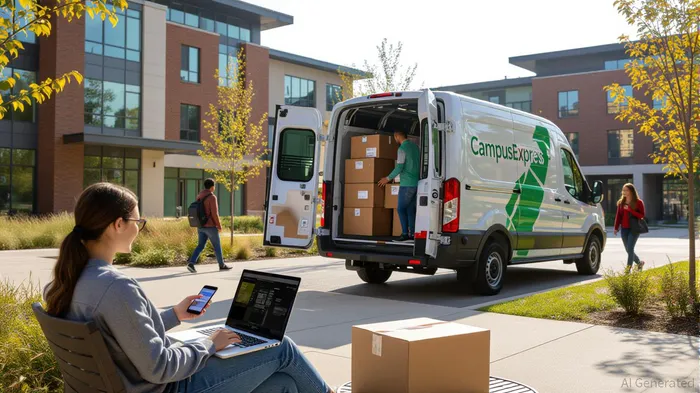
In the evolving landscape of higher education, a quiet revolution is reshaping how students live, learn, and interact. Universities are no longer just centers of academic excellence but hubs of hyper-connected ecosystems where technology and logistics converge to meet the demands of a mobile, digitally native generation. At the heart of this transformation lies a growing market: student-facing SaaS and logistics platforms. From AI-driven learning systems to on-demand moving services, these tools are not only enhancing student experiences but also unlocking significant investment opportunities.
The SaaS Boom: A $155 Billion Future
The global Education Technology SaaS Tools market, valued at $43.04 billion in 2024, is projected to surge to $155.4 billion by 2034, growing at a blistering 13.7% CAGR. This acceleration is fueled by K-12 and higher education institutions adopting cloud-based solutions for personalized learning, enrollment management, and student engagement. Learning Management Systems (LMS) dominate the market, capturing 54.5% of the share, while AI-powered platforms are redefining how students access content and receive feedback.
For investors, the SaaS segment offers a dual advantage: recurring revenue models and scalability. Companies like Pearson (PSO) and D2L (DL) are already capitalizing on this trend, integrating AI to tailor educational pathways and automate assessments. Meanwhile, startups such as Zooz Moving, which partners with universities like the University of Arizona to provide on-demand student moving services, highlight how logistics platforms are becoming indispensable. By 2025, the higher education market itself is expected to grow to $754.13 billion, with logistics software and student-centric tools forming a critical layer of this ecosystem.
Logistics Platforms: Bridging the Last-Mile Gap
While SaaS platforms digitize the classroom, logistics platforms are reimagining the physical campus. The student transportation service market, for instance, is expanding at a 50.1% CAGR (projected to reach $16.1 billion by 2030), driven by the need for secure, efficient delivery of goods and services. Universities are increasingly adopting intelligent locker systems and high-density mail storage to manage the surge in e-commerce deliveries. For example, Union College eliminated 2,300 traditional mailboxes to make way for barcode-based systems, a shift mirrored by platforms like FacilityOS's LogisticsOS, which integrates with over 15 locker vendors to streamline package tracking and reduce administrative overhead.
The University of Arizona's partnership with Zooz Moving exemplifies this trend. By offering students on-demand moving services—think mini-vans, storage solutions, and real-time tracking—the university is addressing a pain point that traditional logistics providers have overlooked. Such partnerships are not just convenience-driven; they reflect a broader shift toward modular, student-first services that align with the demands of a generation accustomed to Amazon-level speed and flexibility.
Investment Opportunities: Where to Look
The intersection of SaaS and logistics in higher education presents a compelling case for investors. Here's how to position capital:
SaaS Leaders with Campus Integration:
Companies like D2L (DL) and Blackboard (BBI) are already embedded in university IT systems. Their ability to integrate AI-driven personalization and real-time analytics positions them to capture a growing share of the $155 billion SaaS market.Logistics Platforms with Campus Partnerships:
Startups like Zum Services (ZUM) and FacilityOS are building scalable solutions for student transportation and package delivery. These firms are leveraging open APIs to connect with ERP systems like ServiceNowNOW-- and WorkdayWDAY--, enabling seamless operations.Sustainability-Driven Innovations:
With universities prioritizing ESG goals, platforms offering green delivery options (e.g., e-bike logistics) or paperless workflows are gaining traction. For example, a UK university recently adopted e-bike delivery via FacilityOS, reducing its carbon footprint while cutting costs.AI and Data Analytics:
The integration of AI into both SaaS and logistics tools is a long-term winner. Platforms that can predict student behavior—whether for course registration or delivery scheduling—will dominate.
Risks and Challenges
While the outlook is bullish, risks remain. Data privacy concerns, especially with platforms handling sensitive student information, could lead to regulatory hurdles. Additionally, infrastructure gaps in developing markets may slow adoption. However, these challenges are manageable, and the demand for student-centric services is too strong to ignore.
Conclusion: A Campus Revolution Awaits
The University of Arizona's collaboration with Zooz is just one example of how universities are rethinking logistics and technology to meet the needs of their students. For investors, this signals a shift from traditional campus services to integrated, on-demand ecosystems. The SaaS and logistics sectors are poised for explosive growth, driven by a generation that expects convenience, personalization, and sustainability.
Now is the time to invest in the tools that will redefine campus life—not just for the next academic year, but for the next decade. The future of higher education isn't just digital; it's hyper-connected, student-driven, and ripe for disruption.

Delivering real-time insights and analysis on emerging financial trends and market movements.
Latest Articles
Stay ahead of the market.
Get curated U.S. market news, insights and key dates delivered to your inbox.




Comments
No comments yet