
The Rise of Prediction Markets and the Emergence of a New Generation of Young Billionaires
 Aime Summary
The Kalshi Effect: From Ballet to Billion-Dollar Markets
Lopes Lara's journey from professional ballet to fintech entrepreneurship is as unconventional as it is instructive. Her discipline and resilience, honed through years of rigorous training, translated seamlessly into the startup world. After meeting her co-founder Tarek Mansour at MIT, the pair embarked on a mission to create a federally regulated prediction market in the U.S.-a space long stifled by regulatory ambiguity. Their perseverance paid off: Kalshi became the first such platform to secure CFTC approval in over a century. By 2025, the company had raised $1 billion in funding and achieved weekly trading volumes exceeding $1 billion, proving that prediction markets could scale beyond niche speculation into mainstream financial infrastructure.
Kalshi's success is rooted in its ability to aggregate collective intelligence. Users trade contracts on outcomes ranging from elections to pop culture events, generating real-time probability data that institutions are now integrating into their decision-making. For instance, Kalshi's partnerships with CNN and CNBC have brought market-driven forecasts into news coverage, democratizing access to predictive analytics. This institutional validation has elevated prediction markets from side bets to serious financial tools.
Broader Trends: Prediction Markets as the New Financial Frontier
Kalshi's rise is part of a larger surge in prediction market adoption. In October 2025, combined trading volumes across platforms hit $2 billion weekly-a milestone that underscores the growing appetite for event-driven speculation. This growth is fueled by two key factors: regulatory clarity and technological innovation.
The U.S. regulatory environment has shifted dramatically. The CFTC's oversight of Kalshi has set a precedent, allowing other platforms like Polymarket to re-enter the U.S. market after addressing past enforcement issues. Meanwhile, advancements in AI and blockchain have enabled these platforms to handle high-volume trading with sophisticated order management systems. The result is a maturation of prediction markets into tools that generate high-quality probability data, now being integrated into Bloomberg terminals and treasury management systems.
However, this rapid growth isn't without risks. Bank of America has warned that prediction markets could introduce new credit risks into the financial system, while critics argue that retail investors may misunderstand the speculative nature of these instruments. Financial advisors are increasingly cautioning clients to treat prediction markets like volatile assets, emphasizing position sizing and diversification.
The New Billionaires: Wealth Creation in the Digital Age
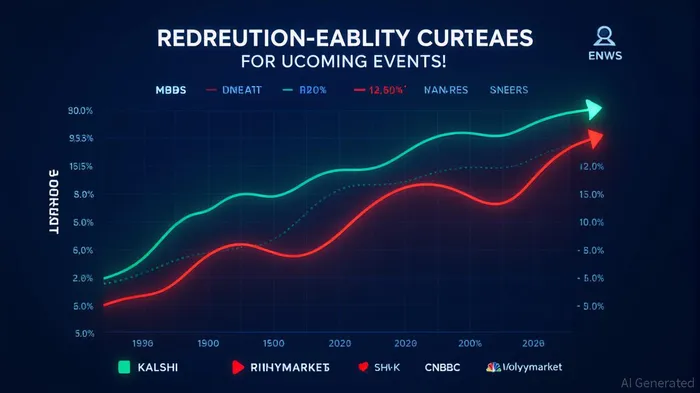 The rise of prediction markets has created a unique pathway for wealth generation. Unlike traditional industries, where capital and experience often gatekeep success, these platforms reward those who can navigate uncertainty and leverage data. Lopes Lara's $1.3 billion net worth is a testament to this model, but she is far from alone. Platforms like Polymarket have seen individual traders amass fortunes during high-profile events, such as the 2024 U.S. presidential election, where Polymarket processed $3.3 billion in trading volume.
This democratization of speculation is reshaping risk-taking. Young entrepreneurs and traders are no longer confined to traditional markets; they can now monetize their insights on everything from geopolitical events to viral trends. The result is a new generation of billionaires who thrive on agility, data literacy, and a willingness to bet on the unknown.
Looking Ahead: The Future of Speculative Fintech
As we approach 2026, the trajectory of prediction markets appears poised for further disruption. Regulatory frameworks are likely to evolve, with the CFTC's role in overseeing event-based contracts setting a global benchmark. Meanwhile, technological advancements-such as embedding live market odds into financial dashboards-will expand the utility of these platforms beyond retail speculation into institutional risk management.
For investors, the key takeaway is clear: prediction markets are no longer a niche curiosity. They are a legitimate, if volatile, asset class that reflects the collective wisdom of markets. While caution is warranted, dismissing these platforms as mere gambling ventures would be a mistake. As Lopes Lara's rise demonstrates, the future of wealth creation lies in embracing the unpredictable-and building the infrastructure to profit from it.

Delivering real-time insights and analysis on emerging financial trends and market movements.
Latest Articles
Stay ahead of the market.
Get curated U.S. market news, insights and key dates delivered to your inbox.


AInvest
PRO
AInvest
PRO



Comments
No comments yet