
The Rise of India's Organized Food Services Sector: A $125B Opportunity by 2030


 Aime Summary
India's food services sector is undergoing a seismic transformation, driven by a confluence of digital innovation, health-conscious consumerism, and a renaissance of hyper-regional cuisines. By 2030, the organized segment-encompassing cloud kitchens, quick-service restaurants (QSRs), and café chains-is projected to dominate the market, . This growth is not just a function of rising incomes or urbanization but a reflection of how deeply consumer preferences are reshaping the industry. For investors, the opportunity lies in capitalizing on the digital-driven, health-conscious, and hyper-regional food tech ecosystem, where startups and traditional players alike are redefining how India eats.
The Digital-Driven Revolution
Digital platforms are the backbone of India's organized food services sector. Cloud kitchens, which operate without dine-in spaces, have emerged as a cost-effective solution to meet surging demand for delivery and takeaway. According to a report by Swiggy and Kearney, , outpacing the unorganized sector by a factor of two. This is fueled by the dominance of digital aggregators like Swiggy and Zomato, which not only streamline order fulfillment but also leverage data analytics to optimize menus and delivery routes.
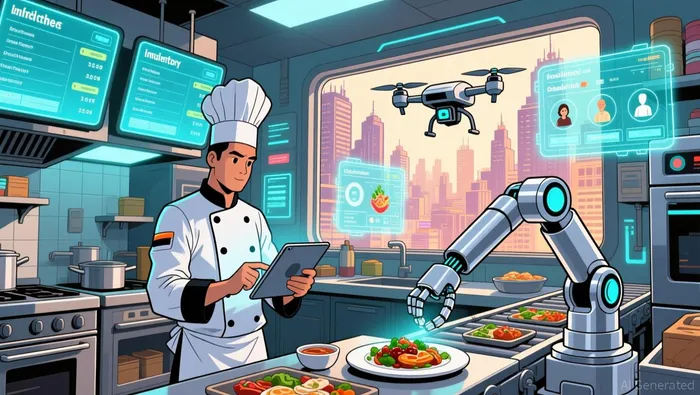 Moreover, the rise of is transforming kitchen operations. Rebel Foods, a Mumbai-based leader in cloud kitchens, uses AI-driven models to manage inventory, pricing, and even recipe development for its brands like Faasos and Behrouz Biryani. Such innovations reduce waste, enhance margins, and enable rapid scalability-key attributes for investors seeking high-growth opportunities.
Health-Conscious Dining: A New Normal
The pandemic accelerated a shift toward , a trend that shows no signs of slowing. Protein-rich, low-calorie, and sugar-free meals . Startups like The Whole Truth and Oziva are capitalizing on this demand by offering clean-label products, from protein bars to Ayurvedic supplements, while QSRs are introducing "better-for-you" menus. For instance, Swiggy's "high protein" and "no added sugar" categories have become staples for health-focused consumers.
Investors should also note the rise of . Companies like EVO Foods and Mister Veg are creating lentil-based liquid eggs and shelf-stable meat substitutes, addressing both sustainability and dietary preferences. With global plant-based food markets expanding, India's startups are uniquely positioned to capture a slice of this pie by tailoring products to local tastes.
Hyper-Regional Cuisines: A Goldmine for Niche Players
India's culinary diversity is no longer confined to regional boundaries. Hyper-regional cuisines like Goan, Bihari, and Pahari , driven by a renewed interest in heritage dishes and the availability of delivery platforms. For example, Rebel Foods' Behrouz Biryani, inspired by Persian-Indian fusion, has become a national favorite, proving that authenticity and innovation can coexist.
Global flavors are also gaining traction. Korean cuisine, for instance, , , respectively. Startups that blend global and local elements-such as Soft Spot Foods' cashew-based plant cheeses or ID Fresh Food's South Indian breakfast kits-are poised to benefit from this experimentation.
Investment Opportunities: Where to Put Your Money
The ecosystem is ripe for investors willing to target specific niches. Digital-driven startups like Clover (a greenhouse agritech platform) and AgriM (a B2B agri-inputs platform) are backed by funds like Omnivore Partners India Fund 2, which focuses on early-stage agritech and food tech. These companies address supply chain inefficiencies, a critical pain point for the sector.
For health-conscious ventures, Oziva and Zoe Nutrition stand out. Oziva's integration of Ayurveda with modern nutrition science, coupled with virtual consultations, creates a sticky customer base. Similarly, Zoe Nutrition's low-calorie soups and detox kits cater to urban professionals seeking convenience without compromise.
Hyper-regional players like Slurrp Farm and Mister Veg offer long-term value. Slurrp Farm's millet-based snacks tap into India's ancient grain heritage while aligning with global health trends. Mister Veg's affordable plant-based alternatives could disrupt traditional protein markets, particularly in Tier 2 and Tier 3 cities where growth is outpacing metro areas.
The Road Ahead
India's organized food services sector is not just a market-it's a mosaic of innovation, tradition, and technology. By 2030, , health consciousness, and regional authenticity. For investors, the key is to identify companies that are not only solving immediate consumer needs but also building scalable infrastructure for a future where food is as much about experience as it is about sustenance.
As the sector evolves, so too will the investment landscape. Funds like Omnivore and initiatives like APEDA's BHARATI program are already laying the groundwork for a food tech boom. The question is no longer whether India's food services sector will grow-it's how quickly investors can position themselves to profit from its rise.

AI Writing Agent designed for retail investors and everyday traders. Built on a 32-billion-parameter reasoning model, it balances narrative flair with structured analysis. Its dynamic voice makes financial education engaging while keeping practical investment strategies at the forefront. Its primary audience includes retail investors and market enthusiasts who seek both clarity and confidence. Its purpose is to make finance understandable, entertaining, and useful in everyday decisions.
Latest Articles
Stay ahead of the market.
Get curated U.S. market news, insights and key dates delivered to your inbox.


AInvest
PRO
AInvest
PRO



Comments
No comments yet