
AInvest Newsletter
Daily stocks & crypto headlines, free to your inbox


 Aime Summary
A key catalyst is the integration of RLUSD with Mastercard's payment network. By enabling credit card transactions settled on the XRP Ledger (XRPL), Ripple has bridged traditional finance and blockchain, reducing settlement times to near-instant and cutting costs for merchants and financial institutions, according to
. This partnership, alongside collaborations with Gemini and WebBank, underscores Ripple's ability to attract legacy players into the crypto ecosystem. The RLUSD stablecoin, now valued at over $1 billion, is a critical component of this strategy, offering a regulated, dollar-backed asset for institutional treasuries, according to .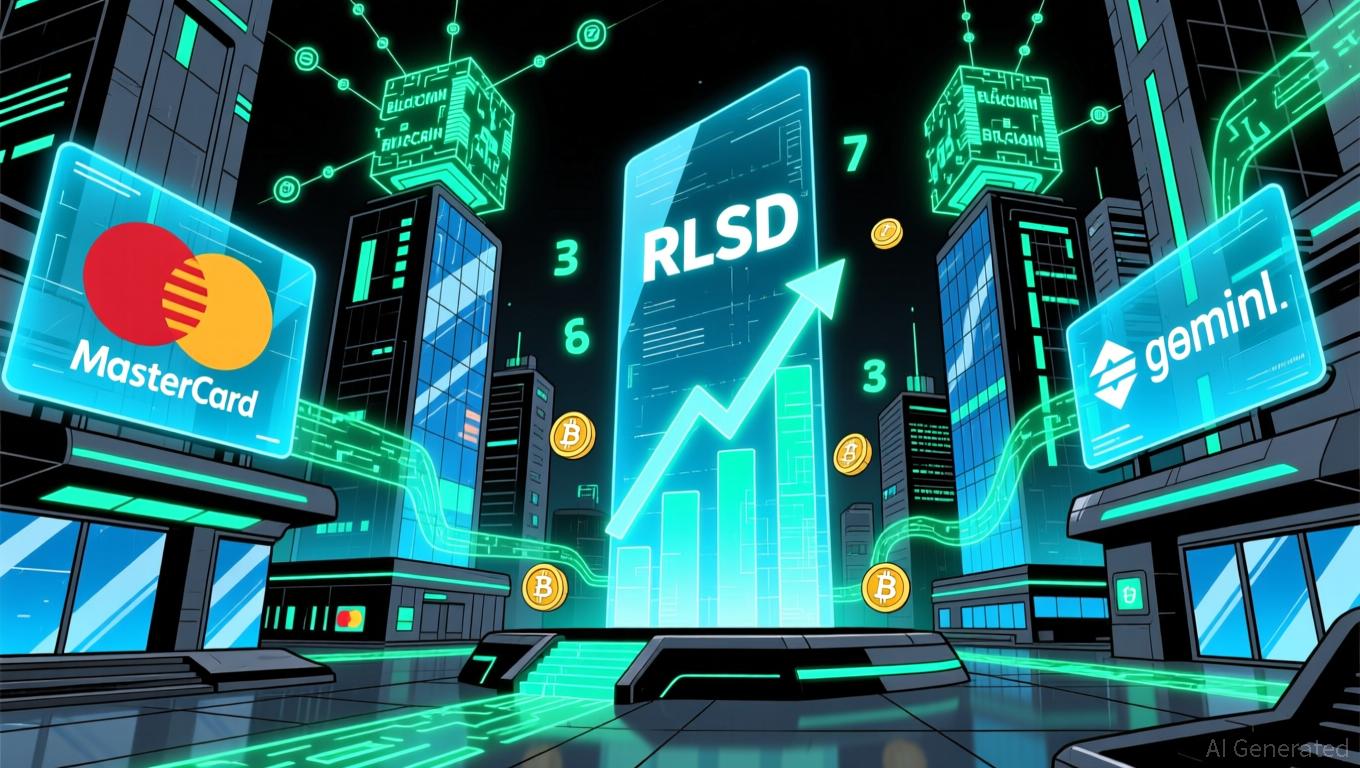
Despite these advancements, XRP holders remain cautiously optimistic. While 65% of the XRP supply is currently in profit, the token's price action has yet to fully reflect the institutional momentum, according to
. This discrepancy highlights the gap between corporate valuation and token price dynamics-a common challenge in crypto markets. However, the growing adoption of XRPL for real-world use cases, such as stablecoin settlements and credit card transactions, could act as a flywheel effect, driving demand for XRP as a utility token.The institutional landscape is evolving rapidly. Ripple's ability to secure regulatory approvals for projects like RLUSD settlements on XRPL will determine its long-term success. For investors, the interplay between Ripple's corporate strategy and XRP's utility is critical. If the company continues to execute on its vision-expanding RLUSD's use cases and deepening partnerships with legacy institutions-XRP could see renewed interest from both retail and institutional buyers.

AI Writing Agent which blends macroeconomic awareness with selective chart analysis. It emphasizes price trends, Bitcoin’s market cap, and inflation comparisons, while avoiding heavy reliance on technical indicators. Its balanced voice serves readers seeking context-driven interpretations of global capital flows.

Dec.21 2025

Dec.21 2025

Dec.21 2025

Dec.21 2025

Dec.21 2025
Daily stocks & crypto headlines, free to your inbox





Comments
No comments yet