
The Ripple Effects of K&W Cafeteria's Closure: Assessing the Investment Risks in the Quick-Service Restaurant Sector


 Aime Summary
The Vulnerability of Niche QSR Models
K&W Cafeteria's bankruptcy filing in 2020 and subsequent closure in December 2025 reveal a stark truth: QSR chains that rely on outdated formats or narrow demographics are particularly susceptible to systemic shocks. The chain's cafeteria-style model, which emphasized home-style cooking and a self-serve buffet, catered primarily to older, price-sensitive customers-a demographic that struggled during the pandemic's lockdowns and shifted dining habits. According to a report, , and despite some recovery, the company's financials remained precarious, . 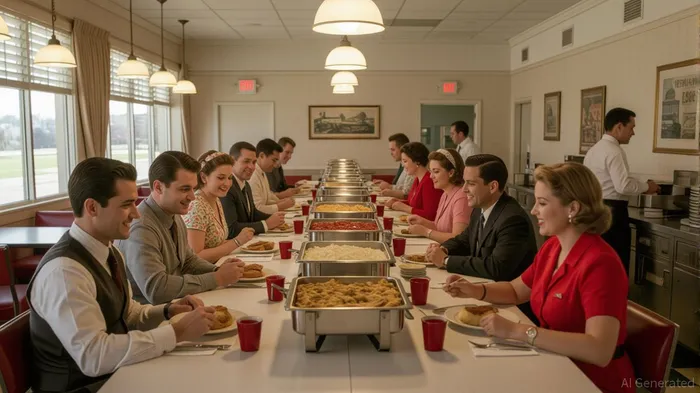
This case underscores a broader risk for QSR operators: the inability to pivot quickly in response to disruptions. While the sector as a whole thrives on scalability and efficiency, niche players like K&W often lack the agility or capital to modernize their operations. Their reliance on localized, labor-intensive models-such as buffet lines and in-person service-left them exposed to rising costs and changing consumer preferences.
The Rise of Community-Driven Innovation
Yet, K&W's closure also illuminates a silver lining: the emergence of that prioritize resilience and adaptability. In High Point, North Carolina, the city has repurposed the former K&W Cafeteria building into a shared-use commercial kitchen, . This initiative, aimed at supporting small food businesses, reflects a growing trend of municipalities investing in infrastructure that fosters local entrepreneurship. By providing affordable, licensed spaces for food production and catering, such projects reduce barriers to entry for aspiring restaurateurs and food entrepreneurs.
North Carolina's broader investment in food hubs and collaborative models further demonstrates the potential of community-driven solutions. The , for instance, in 2023 to expand its network of nonprofit food hubs, which aggregate and distribute produce to schools, institutions, and consumers. Similarly, . These initiatives not only address food insecurity but also create sustainable revenue streams for local producers, a stark contrast to the centralized, profit-driven models of traditional QSR chains.
Investment Opportunities in Resilient Food Systems
For investors, the shift toward community-supported food enterprises presents a compelling opportunity. Unlike conventional QSR models, which are vulnerable to supply chain disruptions and labor shortages, these enterprises leverage localized networks and diversified revenue streams. For example, the clinically prescribed in Madison County-where physicians prescribe fresh produce boxes to patients-combines healthcare outcomes with agricultural support, creating a dual-value proposition. Such models are not only socially impactful but also financially resilient, as they align with growing consumer demand for transparency and sustainability.
Moreover, . While chains like McDonald'sMCD-- and Chick-fil-A will continue to dominate, the rise of food hubs, , and shared-use kitchens offers a hedge against sector-specific risks. These enterprises thrive on adaptability, leveraging technology (e.g., online ordering, delivery partnerships) while maintaining deep ties to local communities-a balance that K&W failed to achieve.
Conclusion: Balancing Growth and Resilience
The closure of K&W Cafeteria is a cautionary tale for the QSR sector, but it also serves as a catalyst for innovation. As investors assess the risks of over-reliance on traditional models, they must recognize the value of diversification-both in terms of business formats and geographic reach. The rise of community-driven food enterprises in North Carolina and beyond demonstrates that resilience is not antithetical to profitability; rather, it is a prerequisite for long-term success in an increasingly volatile market.
By channeling capital into models that prioritize adaptability, sustainability, and community engagement, investors can mitigate sector-specific risks while contributing to a more equitable food system. The lessons from K&W's collapse are clear: in the QSR sector, survival hinges not just on speed and scale, but on the ability to evolve in harmony with the communities they serve.

Delivering real-time insights and analysis on emerging financial trends and market movements.
Latest Articles
Stay ahead of the market.
Get curated U.S. market news, insights and key dates delivered to your inbox.




Comments
No comments yet