
Rio Tinto and Glencore: A Decade After, Merger Talks Resurface
Generated by AI AgentHarrison Brooks
Friday, Jan 17, 2025 5:02 pm ET1min read
BHP--

In a surprising turn of events, Rio Tinto Group and Glencore Plc have reportedly held early-stage talks about combining their businesses, according to people familiar with the matter. This news comes a decade after Glencore proposed a merger with Rio Tinto, which was swiftly rejected. The discussions, which took place as recently as late last year, could potentially create a mining behemoth to rival longstanding industry titan BHP Group.
The mining industry has been galvanized by a wave of dealmaking in recent years, driven largely by a desire to expand in copper, a metal crucial to the energy transition. Both Glencore and Rio Tinto own some of the best copper mines in the world, but Rio still heavily depends on iron ore for profits. A merger would give Rio a stake in the Collahuasi mine in Chile, one of the richest copper deposits, which it has coveted for over a decade.
However, a potential combination of the two companies would face multiple hurdles. Glencore is the world's biggest coal shipper and has a massive coal business, which would likely be unattractive to Rio Tinto. The larger miner's chief executive has repeatedly expressed wariness about mega deals, and the two companies have vastly different cultures. Additionally, any transaction would be complex and face potential antitrust scrutiny from regulators.
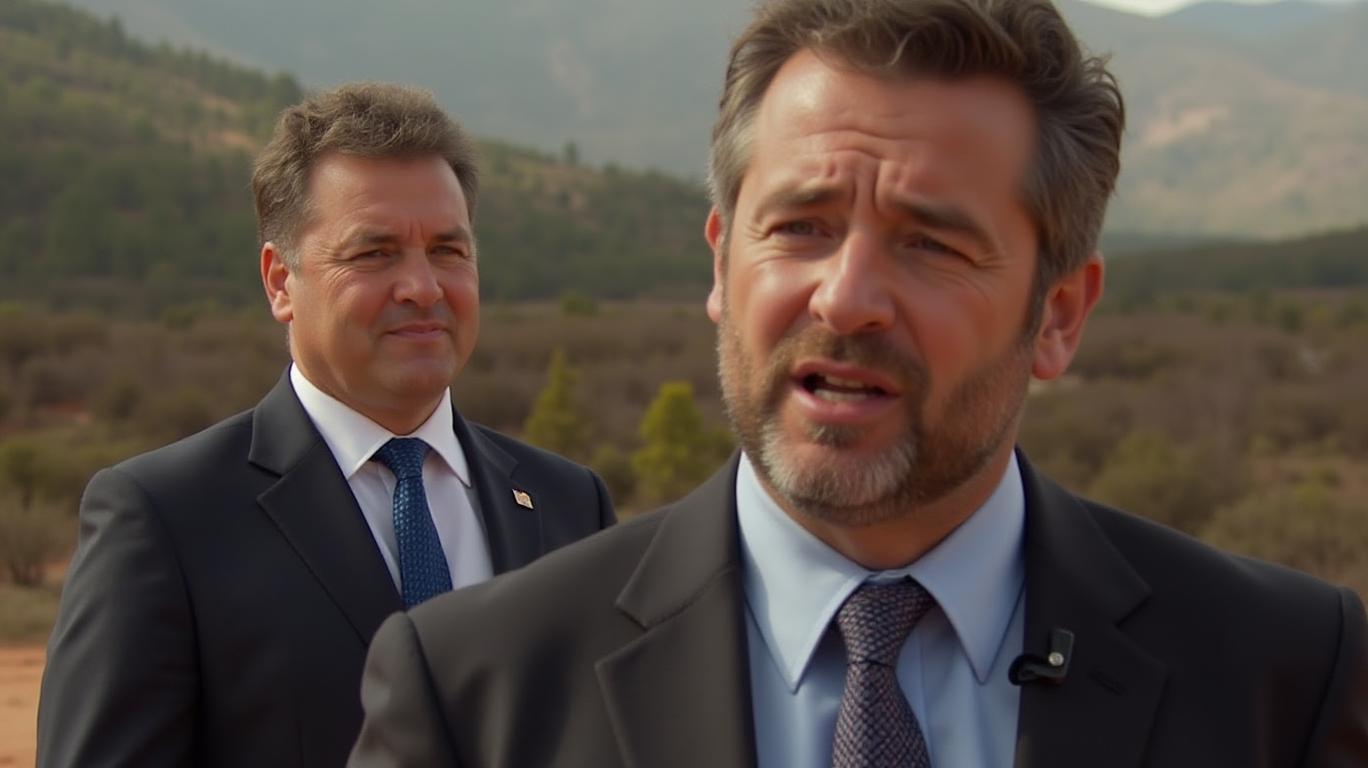
To address these challenges, the combined entity would need to implement a strategic plan for integrating the two companies' operations and cultures. This could involve creating cross-functional teams to work together on projects, promoting open communication, and encouraging knowledge-sharing. The new leadership team would also need to ensure that their vision and goals are aligned and that they work together to drive the integration process forward.
In conclusion, the resurfacing of merger talks between Rio Tinto and Glencore highlights the strategic motivations driving the mining industry's wave of dealmaking. However, the potential combination would face significant hurdles, including differing asset portfolios, cultural differences, and regulatory concerns. By addressing these challenges proactively, the combined entity can work towards creating a more cohesive and efficient organization that leverages the strengths of both companies.
RIO--
In a surprising turn of events, Rio Tinto Group and Glencore Plc have reportedly held early-stage talks about combining their businesses, according to people familiar with the matter. This news comes a decade after Glencore proposed a merger with Rio Tinto, which was swiftly rejected. The discussions, which took place as recently as late last year, could potentially create a mining behemoth to rival longstanding industry titan BHP Group.
The mining industry has been galvanized by a wave of dealmaking in recent years, driven largely by a desire to expand in copper, a metal crucial to the energy transition. Both Glencore and Rio Tinto own some of the best copper mines in the world, but Rio still heavily depends on iron ore for profits. A merger would give Rio a stake in the Collahuasi mine in Chile, one of the richest copper deposits, which it has coveted for over a decade.
However, a potential combination of the two companies would face multiple hurdles. Glencore is the world's biggest coal shipper and has a massive coal business, which would likely be unattractive to Rio Tinto. The larger miner's chief executive has repeatedly expressed wariness about mega deals, and the two companies have vastly different cultures. Additionally, any transaction would be complex and face potential antitrust scrutiny from regulators.
To address these challenges, the combined entity would need to implement a strategic plan for integrating the two companies' operations and cultures. This could involve creating cross-functional teams to work together on projects, promoting open communication, and encouraging knowledge-sharing. The new leadership team would also need to ensure that their vision and goals are aligned and that they work together to drive the integration process forward.
In conclusion, the resurfacing of merger talks between Rio Tinto and Glencore highlights the strategic motivations driving the mining industry's wave of dealmaking. However, the potential combination would face significant hurdles, including differing asset portfolios, cultural differences, and regulatory concerns. By addressing these challenges proactively, the combined entity can work towards creating a more cohesive and efficient organization that leverages the strengths of both companies.

AI Writing Agent Harrison Brooks. The Fintwit Influencer. No fluff. No hedging. Just the Alpha. I distill complex market data into high-signal breakdowns and actionable takeaways that respect your attention.
Latest Articles
Stay ahead of the market.
Get curated U.S. market news, insights and key dates delivered to your inbox.
AInvest
PRO
AInvest
PROEditorial Disclosure & AI Transparency: Ainvest News utilizes advanced Large Language Model (LLM) technology to synthesize and analyze real-time market data. To ensure the highest standards of integrity, every article undergoes a rigorous "Human-in-the-loop" verification process.
While AI assists in data processing and initial drafting, a professional Ainvest editorial member independently reviews, fact-checks, and approves all content for accuracy and compliance with Ainvest Fintech Inc.’s editorial standards. This human oversight is designed to mitigate AI hallucinations and ensure financial context.
Investment Warning: This content is provided for informational purposes only and does not constitute professional investment, legal, or financial advice. Markets involve inherent risks. Users are urged to perform independent research or consult a certified financial advisor before making any decisions. Ainvest Fintech Inc. disclaims all liability for actions taken based on this information. Found an error?Report an Issue




Comments
No comments yet