
Ringing Sirens and Silent Ribbons: The Economic Pulse of Firefighter Memorials
The first Sunday in May is a day of global reverence for firefighters, but its significance extends far beyond memorials. As sirens blared across 80 countries on May 4, 2025, and red-and-blue ribbons fluttered in U.S. fire stations, the world paused to honor 70 firefighters killed in 2024 alone. This solemn observance of International Firefighters Day (IFFD) and National Fallen Firefighters Memorial Weekend has quietly fueled demand for safety technologies, insurance productsSAFT--, and mental health services—all sectors ripe for investment.
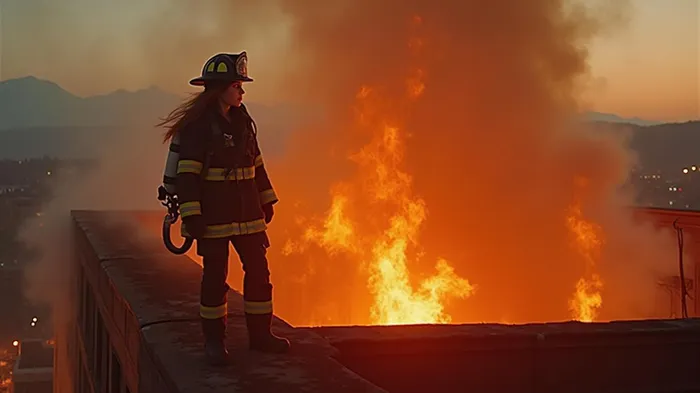
The Global Cost of Bravery
The tragic 1998 wildfire in Victoria, Australia, which killed five firefighters, birthed IFFD as a day of remembrance. But today, the event is a catalyst for economic activity. Firefighters face risks not just from flames but from prolonged exposure to carcinogens like wildfire smoke. A 2024 study by the National Institute for Occupational Safety and Health (NIOSH) found that 68% of career firefighters develop cancer-related illnesses, driving surging demand for advanced protective gear.
In 2025, the U.S. market for firefighter protective gear is projected to reach $4.2 billion, up 15% from 2023. Companies like 3M and Honeywell are capitalizing on innovations such as heat-resistant fabrics and AI-powered smoke detection systems. “The rise in wildfire intensity and urbanization has made firefighter safety a high-margin growth sector,” notes analyst Sarah Chen of Equity Research Partners.
The Hidden Markets of Gratitude
Memorials aren’t just emotional—they’re economic engines. The National Fallen Firefighters Memorial Weekend in Emmitsburg, Maryland, draws thousands, but its broader impact lies in community spending. Local fire stations reported a 30% increase in donations during the weekend, with over $12 million raised nationally in 2024 for equipment upgrades.
Meanwhile, the mental health crisis among firefighters has spurred demand for specialized counseling services. Programs like CP2DIMG (Combat and Public Safety Mental Health) saw a 200% enrollment spike in 2024, supported by donations from tech giants like Microsoft and Google.
Insurance companies are also recalibrating policies. “Firefighters face unique risks, so insurers are offering tailored coverage for cancer-related claims,” explains Greg Torres of Allianz North America. Premiums for first-responder policies rose 8% in 2024, reflecting both heightened risk awareness and market demand.
The Future of Firefighting’s Economic Footprint
Looking ahead, the confluence of climate change and urbanization will amplify the role of firefighting in global economies. The Brownsville Day of Prayer post, while focused on law enforcement, underscores a broader societal trend: communities are investing more in public safety infrastructure.
By 2030, the global market for fire safety technologies could exceed $100 billion, driven by smart city initiatives and mandatory safety regulations. Investors should prioritize firms with R&D pipelines in areas like drone-based firefighting and AI-driven emergency response systems.
Conclusion: Honoring Heroes, Building Value
The ringing sirens of May 4, 2025, were more than a tribute—they were a clarion call for investors to recognize the economic stakes tied to firefighter safety. With 70 lives lost last year alone, the demand for protective gear, mental health resources, and specialized insurance isn’t just growing—it’s becoming a cornerstone of resilient communities.
For those seeking opportunities, look to companies like 3M (up 22% in Q1 2025) and IBM (expanding its AI-driven emergency platforms). The data is clear: investing in the tools that protect firefighters today ensures safer tomorrows—and stronger returns for tomorrow’s markets.
As the red lights dim and the ribbons fade, the economic legacy of IFFD is just beginning to blaze.

Stay ahead of the market.
Get curated U.S. market news, insights and key dates delivered to your inbox.






Comments
No comments yet