
Rig Count Declines Signal Shift in Energy Sector: A Guide for Sector Rotation Investors
The U.S. oil and gas rig count has been on a steady decline in 2025, dropping to 554 rigs as of June 13 from 588 a year earlier, according to Baker HughesBKR-- data. This trend, while modest in scale, reflects a strategic pivot by energy companies toward capital discipline and operational efficiency—a shift with profound implications for investors. As rig counts fall, the energy sector is bifurcating: some areas, like midstream infrastructure and technology-driven producers, are thriving, while others, such as pure-play drillers, face headwinds. For investors, the rig count is more than a statistic—it's a compass for sector rotation strategies.
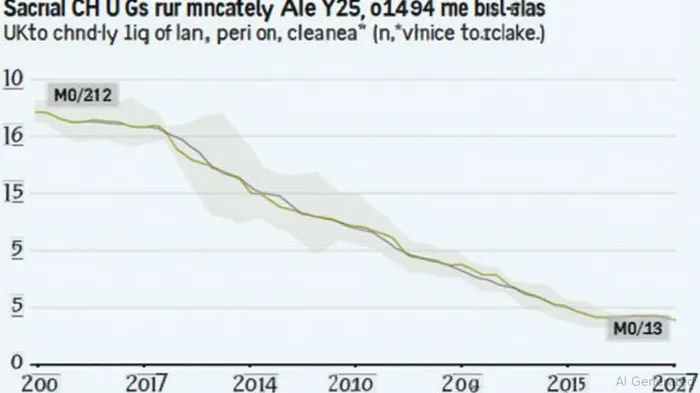
The Rig Count Paradox: Fewer Rigs, More Oil
The most striking paradox in today's energy market is that U.S. crude production hit record highs in 2024 (13.4 million barrels per day) despite falling rig counts. This efficiency-driven boom is underpinned by technological advancements: AI-optimized drilling, electronic fracking, and better midstream infrastructure. The Energy Information Administration (EIA) forecasts production to reach 13.6 million barrels per day by 2025, supported by Permian Basin efficiencies and Gulf of Mexico projects.
The key takeaway? Rig count declines don't equal sector decline—they signal a maturation of the shale industry. Investors should focus on companies excelling in productivity, not just rig numbers.
Sectoral Impact: Winners and Losers
1. Midstream Infrastructure: The New Safe Haven
As drilling activity slows, the spotlight shifts to companies that transport and process energy. Midstream firms like Enterprise Products Partners (EPD) and Plains All American Pipeline (PAA) are benefiting from rising production and stable cash flows. Their business models are less cyclical than exploration-and-production (E&P) firms, making them ideal for conservative investors.
2. Tech-Driven Producers: The Future of Efficiency
Firms that invest in technology to boost well productivity are outperforming peers. Occidental Petroleum (OXY) and Pioneer Natural Resources (PXD), which use AI for reservoir modeling and predictive maintenance, have seen higher returns on capital despite fewer rigs. These stocks are bets on the efficiency dividend—the idea that better technology can offset rig count declines.
3. Drilling Services: The Sector to Avoid (For Now)
Companies like Halliburton (HAL) and Baker Hughes (BKR), which rely on rig activity, face headwinds. A 4.6% year-over-year decline in drilling-related employment and reduced capital budgets from E&P firms suggest slower demand for their services. Investors should tread carefully here until rig counts stabilize or rebound.
Investment Strategy: Rotate to Efficiency and Infrastructure
The declining rig count provides a clear roadmap for sector rotation:
- Rotate Out of Drilling Services: Avoid companies overly exposed to rig activity until there's a sustained rebound in drilling.
- Rotate Into Midstream: Allocate to EPD or PAA, which offer dividends and exposure to rising production.
- Focus on Tech-Driven Producers: OXYOXY-- and PXD represent the future of the industry—companies that turn fewer rigs into more profits.
- Hedge with Natural Gas Plays: While oil rig counts fall, natural gas rig counts have risen (to 114 as of mid-June), supported by export demand. Consider Southwestern Energy (SWN) or Cabot Oil & Gas (COG) for gas exposure.
Risks and the Bear Case
The rig count decline isn't without risks. A sudden surge in oil demand (e.g., from a geopolitical shock) could force a drilling rebound, leaving midstream stocks lagging. Additionally, accelerating well depletion rates—where older shale wells decline faster than new ones can replace them—could crimp production. Monitor the EIA's monthly rig productivity report for clues.
Conclusion: Rig Count Data as a Leading Indicator
The Baker Hughes rig count is a leading indicator of energy sector dynamics. In 2025, it's signaling a sector in transition—one where capital discipline and technology reign. Investors who rotate into infrastructure and tech-driven producers while avoiding pure drilling plays stand to capitalize on this shift. The era of “more rigs = more profits” is over. Welcome to the efficiency era.
Final Takeaway: Use the rig count as a guide. Fewer rigs mean less focus on drilling services and more on the backbone of the energy economy—midstream and tech.

Stay ahead of the market.
Get curated U.S. market news, insights and key dates delivered to your inbox.
AInvest
PRO
AInvest
PRO



Comments
No comments yet