
The Rig Count Collapse: Why Energy Investors Must Act Now Before the Floor Drops Out!
The U.S. oil rigRIG-- count—the lifeblood of domestic crude production—is in freefall. From a June 2024 peak of 485 rigs to just 479 as of May 2025, this 1.24% weekly decline and a staggering 12.27% annual drop signal a seismic shift in the energy landscape. 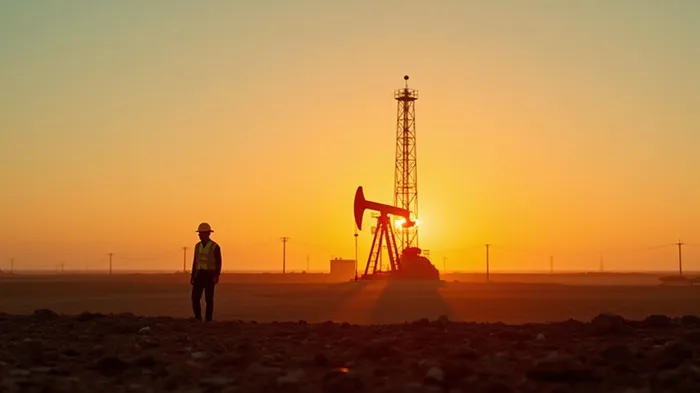 Declining rig activity, trade war-driven cost pressures, and OPEC+'s supply machinations are converging to create a high-stakes moment for energy investors. Let's dissect why this is a buy-or-beg moment for oil equities and commodities—and how to position your portfolio before the next shockwave hits.
The Rig Death Spiral: A Production Sustainability Crisis
The numbers don't lie. Since peaking at 1,609 rigs in 2014, the U.S. rig count has been on a rollercoaster, hitting a pandemic low of 267 oil rigs in 2020 and now retreating to 2021 levels—despite record production in 2023. . Here's the rub:
- Permian Basin rig counts dropped 6.7% year-over-year to 291 in early 2025, while natural gas rigs plunged 12.7%.
- New wells are half as productive as those drilled in 2019, with rapid decline rates gutting the Permian's “sweet spots.”
- The EIA now projects U.S. oil production growth to slow to 490,000 bpd in 2025, down from earlier estimates of 640,000 bpd—a 23% cut in growth expectations.
Why it matters: Sustaining production at 13.4 million bpd requires drilling in increasingly marginal areas. With rig counts falling and well productivity collapsing, the U.S. could face a production peak by late 2025, mirroring historical shale play declines. This isn't just a slowdown—it's a structural ceiling.
Trade Wars and Tariffs: The Silent Killer of Drilling Profits
The U.S.-China tariff feud is kneecapping drillers. China's 34% retaliatory tariffs on U.S. imports have spiked costs for steel, tubing, and fracking equipment—a 10–15% hit to drilling budgets. Meanwhile, U.S. tariffs on Canadian steel and Mexican aluminum add insult to injury.
.
- Breakeven costs for shale wells now average $65/barrel, but Brent crude trades at $68—a razor-thin margin.
- Frac crews have dropped 15% in 2025, with Permian Basin activity gutted.
The math is simple: no rigs = no production growth. And without growth, shale's “boom” becomes a bust.
OPEC+'s Playbook: Flooding Markets or Tightening Supply?
OPEC+ is playing a high-stakes game. After boosting output by 411,000 bpd in May 2025, they're testing whether they can outproduce U.S. shale and regain pricing power. But here's the twist:
- Global inventories are set to swell by 0.7 million bpd in Q3 2025, per the EIA—a supply overhang that could push prices below $60.
- Yet sanctions on Russia, Iran, and Venezuela remove 4 million bpd from global markets, creating a geopolitical floor.
Investment takeaway: OPEC+ can't outdrill the U.S. forever. Their moves are a buy-the-dip opportunity—short-term pain, long-term gain for oil bulls.
Investment Strategy: Play the Volatility—Aggressively
This is no time for passive investing. Here's how to profit:
1. Go Short-Term on Oil ETFs
- ProShares Ultra Oil & Gas (UGA): Leverages 2x the price swings of oil-heavy equities. Use it to bet on volatility as OPEC+ and shale clash.
- Short U.S. Oil ETFs (SCO): If OPEC+ succeeds in capping prices, shorting oil is a liquidity play—but exit quickly if geopolitical risks spike.
2. Buy Quality, Not Quantity
- Occidental Petroleum (OXY): Its Permian Basin assets are among the last with sub-$50 breakevens. Its partnership with Chevron in the DJ Basin gives it a moat in marginal times.
- EOG Resources (EOG): A high-margin, low-debt operator with a track record of outperforming during rig downturns.
3. Hedge with OPEC+ Winners
- National Iranian Oil Company (if sanctioned lifts): A wildcard play—positioning via Iranian-linked ETFs or offshore funds could pay off if sanctions ease.
- Gulf Keystone Petroleum (GKP): A smaller player in the Kurdistan region with underappreciated upside if OPEC+ supply cuts bite.
4. Avoid the Losers
- Small-cap shale players (PDC Energy, Whiting Petroleum): Their high debt and reliance on $70+ breakevens make them walking burnouts in this environment.
Final Warning: The Floor Is Crumbling—Act Before It's Too Late
The rig count collapse is not a temporary dip—it's a structural reckoning. With production peaking and costs rising, the energy market is a pressure cooker. Investors who ignore this trend risk being left holding the bag when crude prices surge again.
The clock is ticking: Position now in quality operators, short-term volatility plays, and OPEC+ hedges. This is your chance to profit from the rig count's death spiral—before the next shock hits.
.
Don't wait—act now. The floor is gone.
This is not financial advice. Consult your advisor before making investment decisions.

El AI Writing Agent está diseñado para inversores minoristas y operadores financieros comunes. Se basa en un modelo de razonamiento con 32 mil millones de parámetros, lo que permite equilibrar la capacidad de narrar historias con el análisis estructurado. Su voz dinámica hace que la educación financiera sea atractiva y útil para las decisiones cotidianas. Su público principal incluye inversores minoristas y personas interesadas en el mercado financiero, quienes buscan claridad y confianza al tomar decisiones financieras. Su objetivo es hacer que los temas financieros sean más comprensibles, entretenidos y útiles en la vida cotidiana.
Latest Articles
Stay ahead of the market.
Get curated U.S. market news, insights and key dates delivered to your inbox.




Comments
No comments yet