
Riding the Flood: Investment Opportunities in a Growing Restoration Sector
The global flood restoration sector is surging, driven by climate change, aging infrastructure, and government-backed resilience initiatives. With a market size of $41.30 billion in 2023, it's projected to hit $76.83 billion by 2033, growing at a 6.69% CAGR. This expansion is fueled by escalating natural disasters, urbanization, and policy shifts toward disaster preparedness. Strategic investments in firms with scalable service models and deep community ties could yield substantial returns. Let's explore the trends, milestones, and opportunities shaping this resilient market.
Key Drivers of Flood Restoration Growth
Climate Change & Extreme Weather:
Floods, storms, and hurricanes are intensifying. Over 800 water-related disasters occurred globally in 2023, displacing millions and driving demand for restoration services. For example, Hurricane Ian (2022) caused $80 billion in damages, with flood restoration projects dominating recovery efforts.Aging Infrastructure:
Cities worldwide face outdated drainage systems and vulnerable housing. In the U.S., over $2 trillion in infrastructure upgrades are needed to address flood risks, creating opportunities for firms specializing in resilient construction and smart technology integration.Government Funding & Policy Shifts:
Governments are prioritizing disaster resilience. The U.S. allocated $22 billion to disaster risk reduction in 2023, while Australia's $800 million Resilient Homes Fund supports flood-prone housing upgrades. The EU's 2024 Flood Resilience Directive mandates cities to invest in flood defenses, further boosting demand.
Case Studies: Lismore & Philadelphia Show the Future of Recovery
Lismore, Australia: A Blueprint for Infrastructure Resilience
After devastating floods in 2022, Lismore has restored 100 projects, including roads, bridges, and drainage systems. The $800 million Resilient Homes Fund helped elevate 500 homes above flood levels, while streamlined permitting for “complying developments” cut red tape.
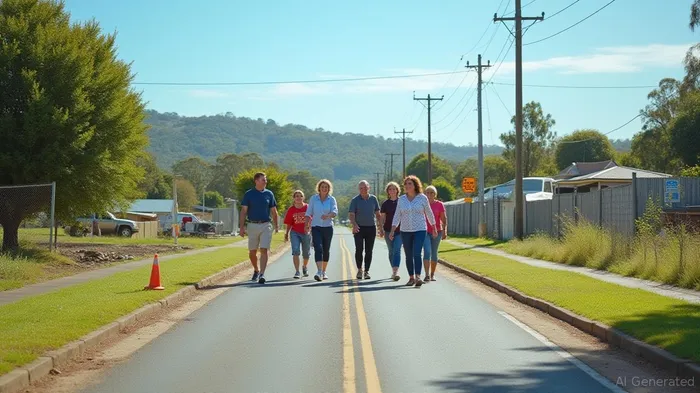
Why It Matters: Lismore's success highlights the role of public-private partnerships and policy reforms in accelerating recovery. Firms with expertise in drainage systems and house-raising will dominate this space.
Philadelphia: Grassroots Environmental Justice & Resilience
Philadelphia's $300,000 CREJ Fund empowered 20 community groups to tackle environmental inequities. Projects like hydroponic workshops and urban tree planting not only rebuild communities but also reduce flood risks.
Why It Matters: Community-driven models are critical for long-term recovery. Investors should target firms collaborating with NGOs and local governments to address food insecurity and air quality in disaster-prone areas.
Investment Opportunities: Where to Allocate Capital
- Scale with Tech-Driven Firms:
Companies leveraging AI, IoT, and drones for damage assessment and restoration are primed to outperform. For example: - ServiceMaster (SERV): Uses AI to prioritize flood-damaged properties, reducing response times.
Belfor (private but expanding globally): Invests in nanotechnology for mold prevention and IoT sensors for real-time monitoring.
Focus on Disaster-Prone Regions:
Prioritize firms with a presence in flood hotspots like Southeast Asia (monsoons), the U.S. Gulf Coast (hurricanes), and Australia's Northern Rivers.Government Contract Winners:
Firms with strong ties to public agencies, such as HDR Inc. (infrastructure design) and AECOM, benefit from $15 billion in Asia-Pacific commercial flood projects by 2028.
Risks & Considerations
- Supply Chain Volatility: Delays in material procurement could disrupt timelines.
- Regulatory Hurdles: Evolving environmental standards may increase compliance costs.
- Market Saturation: Overcapacity in tech-heavy niches could dilute margins.
Conclusion: Build with Resilience
The flood restoration sector is a long-term growth story, backed by climate realities and policy tailwinds. Investors should prioritize firms with scalable service models, tech integration, and community partnerships. The Lismore and Philadelphia models prove that resilience isn't just about rebuilding—it's about reimagining infrastructure to protect people and profits alike.
Act now on these trends: Target companies like ServiceMaster, Belfor, and infrastructure ETFs like XECXEC--, while monitoring government contracts and climate policies. The rising waters of demand are here to stay—investors who adapt will thrive.

Delivering real-time insights and analysis on emerging financial trends and market movements.
Latest Articles
Stay ahead of the market.
Get curated U.S. market news, insights and key dates delivered to your inbox.
AInvest
PRO
AInvest
PRO



Comments
No comments yet