
Rhinelander Considers Snowmobile Access Amid Infrastructure and Safety Concerns
 Aime Summary
- The Rhinelander city council is considering proposals to allow snowmobiles on city streets, with mixed reactions to the potential changes.
- City officials have raised concerns about enforcement challenges, road damage, and safety risks
- A formal proposal from the snowmobile club is required before any changes to the current ordinance are made, highlighting the city's cautious approach.
Rhinelander city officials recently discussed the potential for allowing snowmobiles back on city streets, a proposal that has generated both interest and apprehension. During a January 13 city council meeting, a citizen suggested creating trailhead access to facilitate downtown connectivity for snowmobile riders. The snowmobile club expressed support for the idea, proposing the adoption of an ordinance similar to neighboring communities. However, the proposal has sparked significant debate, with city officials weighing the benefits of recreational access against the potential costs and challenges.
The police chief voiced strong concerns over enforcement difficulties, noting that monitoring snowmobile activity in urban areas could strain existing resources. City administrators also raised red flags about potential road damage, which could lead to higher municipal repair costs and safety hazards for pedestrians and vehicles. Aldermen echoed these concerns, emphasizing the need for a thorough evaluation of risks before any decision is made. The city's infrastructure is already under pressure from seasonal wear, and the introduction of snowmobiles could accelerate deterioration of key roadways.
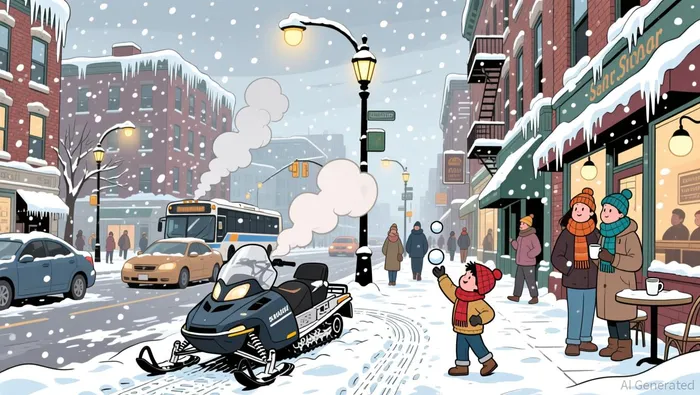
A key requirement set by the city council is the submission of a formal proposal from the snowmobile club. This document would need to address the concerns raised and outline how the city could manage enforcement, road maintenance, and safety protocols. The club's ability to provide a detailed and feasible plan will be a critical factor in determining whether the proposal moves forward. City officials have also requested that the club coordinate with relevant departments, including the Department of Transportation and the Department of Natural Resources, to ensure compliance with all necessary regulations.
What Are the Financial and Community Implications of Allowing Snowmobiles on City Streets?
Beyond the logistical and enforcement challenges, the city council is also considering the broader impact on the local economy and community. Snowmobile tourism is a significant part of the region's winter economy, and improved access could attract more visitors to Rhinelander. However, there is a risk that any associated costs—such as road repairs or safety incidents—could outweigh the economic benefits. City officials are wary of creating a precedent that could lead to increased liability or reduced quality of life for residents.
The discussion also highlights the city's balancing act between recreational access and administrative feasibility. While the snowmobile club sees an opportunity to connect downtown with the trail system, city officials are focused on maintaining infrastructure and public safety. This tension is not uncommon in communities where seasonal recreation intersects with urban planning. The city's decision will likely serve as a case study for other municipalities considering similar proposals.
What Is the Status of the Senior Housing Development Approved by the Plan Commission?
In a separate development, the Rhinelander Plan Commission approved a senior-only housing project on Boyce Drive. This income-based development will target residents aged 55 and older and will include features such as elevators and single-floor layouts to accommodate senior living needs. The project will be located behind the CoVantage Credit Union on a 2-6 acre plot, and it will require further coordination with the Department of Transportation and the Department of Natural Resources due to its proximity to state land.
The development is expected to provide affordable housing while also addressing the needs of the aging population in Rhinelander. It will function similarly to the Rhine Haus, an existing senior housing complex near Hodag Park. The project will use WHEDA credits and will reserve 10 percent of units for veterans, aligning with local community needs. The housing is also expected to free up existing homes for younger residents as seniors transition into the new facility, offering a dual benefit for the community.
The approval of this project marks a step forward in addressing the housing challenges faced by Rhinelander's senior population. As the city continues to evaluate proposals for recreational access, the senior housing development provides a contrasting example of how urban planning can be used to meet specific community needs while maintaining infrastructure and quality of life.

Blending traditional trading wisdom with cutting-edge cryptocurrency insights.
Latest Articles
Stay ahead of the market.
Get curated U.S. market news, insights and key dates delivered to your inbox.






Comments
No comments yet