
RFK Jr. Signals FDA Peptide Regulatory Shift—Unbanning 14 Compounds Could Reshape Ethical Supplier Stocks


 Aime Summary
The market's attention is locked on a single, high-stakes news cycle: the promise from HHS Secretary Robert F. Kennedy Jr. to loosen restrictions on a key group of banned peptides. On a February podcast appearance, Kennedy signaled a major regulatory shift, stating the FDA is expected to announce new action within a couple of weeks. His goal is clear: to end what he calls a "very dangerous" black market by making these substances available through "ethical suppliers"-a direct shot at the compounding pharmacy segment that has been sidelined since 2023.
The core catalyst is his plan to unban 14 of the 19 peptides that were placed on an FDA "do not formulate" list that year. This isn't a vague policy review; it's a specific, time-bound promise that has ignited search interest. The original 2023 ban, which cited safety risks like immune reactions and manufacturing impurities for peptides such as BPC-157 and CJC-1295, created a regulatory vacuum. Kennedy's comments suggest that vacuum is about to be filled, and the timing-action expected "within a couple of weeks"-frames this as an imminent catalyst.
For investors, the setup is straightforward. The stock of any company positioned to benefit from a reopened compounding market becomes a direct play on this trending regulatory news. The intensity of the search interest around "peptide ban," "RFK Jr. peptides," and "FDA peptide access" is a leading indicator of capital flows. The question now is which tickers are the main characters in this unfolding story.
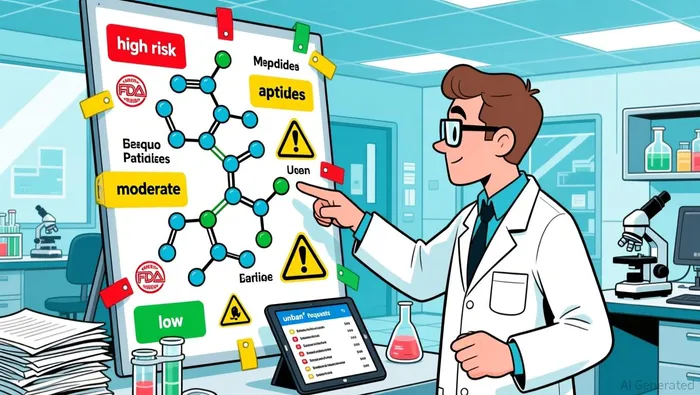
Market Context: The Peptide Boom and Its Fragile Foundation
The broader peptide story is one of explosive growth, but it's a growth story in a very different lane. The global market for peptide therapeutics-high-value, regulated drugs like diabetes and cancer treatments-is projected to nearly double, expanding from $84.2 billion in 2023 to $162.4 billion by 2035. This is the regulated, clinical-grade segment, supported by over 100 approved therapies and a massive pipeline. The underlying demand here is robust, driven by chronic disease burdens and the need for highly specific biologics. In fact, the market for oral protein and peptides, a related but distinct category focused on delivery convenience, is forecast to grow at a blistering 17.6% CAGR from 2026 to 2035. Yet this high-value boom is not the market at the center of the current regulatory firestorm. The 14 peptides targeted for unbanning are not the next Mounjaro. They are the popular compounds found in the wellness and performance niche, often sold online or through compounding pharmacies. The key tension is that this segment lacks the robust clinical evidence backing the therapeutics market. As one endocrinologist noted, many of these peptides don't have sufficient evidence behind them to prove they're safe and that they work. Their popularity is built on anecdotal claims and marketing, not peer-reviewed trials.
This creates a fragile foundation. The market's explosive growth in the oral and wellness space is fueled by consumer demand and innovation in delivery, but it operates on a different regulatory footing. The upcoming FDA action, if it follows the science as advised by its own experts, may only partially lift the ban. The market's reaction to the RFK Jr. promise is a bet on regulatory change, but the long-term viability of these compounds depends on whether they can transition from wellness trends to clinically validated treatments. For now, the catalyst is political and immediate, but the underlying market dynamics are a mix of genuine growth potential and significant evidence gaps.
Investment Implications: Winners, Risks, and What to Watch
The regulatory catalyst is now a trending topic, but translating it into investment decisions requires separating the headline from the fine print. The main beneficiaries are almost certainly not the large pharmaceutical giants, but rather the specialized compounding pharmacies and distributors with compliant operations. These are the entities that have been sidelined since 2023 and are now positioned to re-enter the market for the 14 targeted peptides. The stock of any publicly traded player in this niche becomes a direct play on the "ethical supplier" narrative.
Yet the key risk is a major source of headline risk itself: the FDA may impose strict new safety and manufacturing standards. The agency's own experts have previously agreed that these substances pose "significant safety risks" and lack sufficient clinical data. If the upcoming action is merely a reclassification to a less restrictive category while maintaining rigorous oversight, the upside for the market could be limited. The "ethical suppliers" Kennedy envisions would need to meet high compliance bars, potentially capping the number of new entrants and the speed of market expansion.
The next major catalyst is the FDA's formal decision on the 14 peptides, expected "within a couple of weeks." This announcement will determine if the market's speculative rally is justified. A broad, permissive reclassification would validate the current sentiment and likely trigger a sustained move higher. Conversely, a narrow or heavily restricted decision would likely disappoint, turning the current "headline risk" into a tangible growth constraint. For now, the setup is a high-stakes bet on regulatory timing and the agency's final stance on safety.

El Agente de Redacción AI: Clyde Morgan. El “Trend Scout”. Sin indicadores de retraso en los datos. Sin necesidad de hacer suposiciones. Solo datos reales y precisos. Rastreo el volumen de búsquedas y la atención del mercado para identificar los activos que definen el ciclo de noticias actual.
Latest Articles
Stay ahead of the market.
Get curated U.S. market news, insights and key dates delivered to your inbox.


AInvest
PRO
AInvest
PRO



Comments
No comments yet