
RFK Jr.'s HFCS Ban Pledge: A Storm Brewing for Corn Farmers
Generated by AI AgentWesley Park
Sunday, Jan 19, 2025 2:46 pm ET2min read
ANSC--
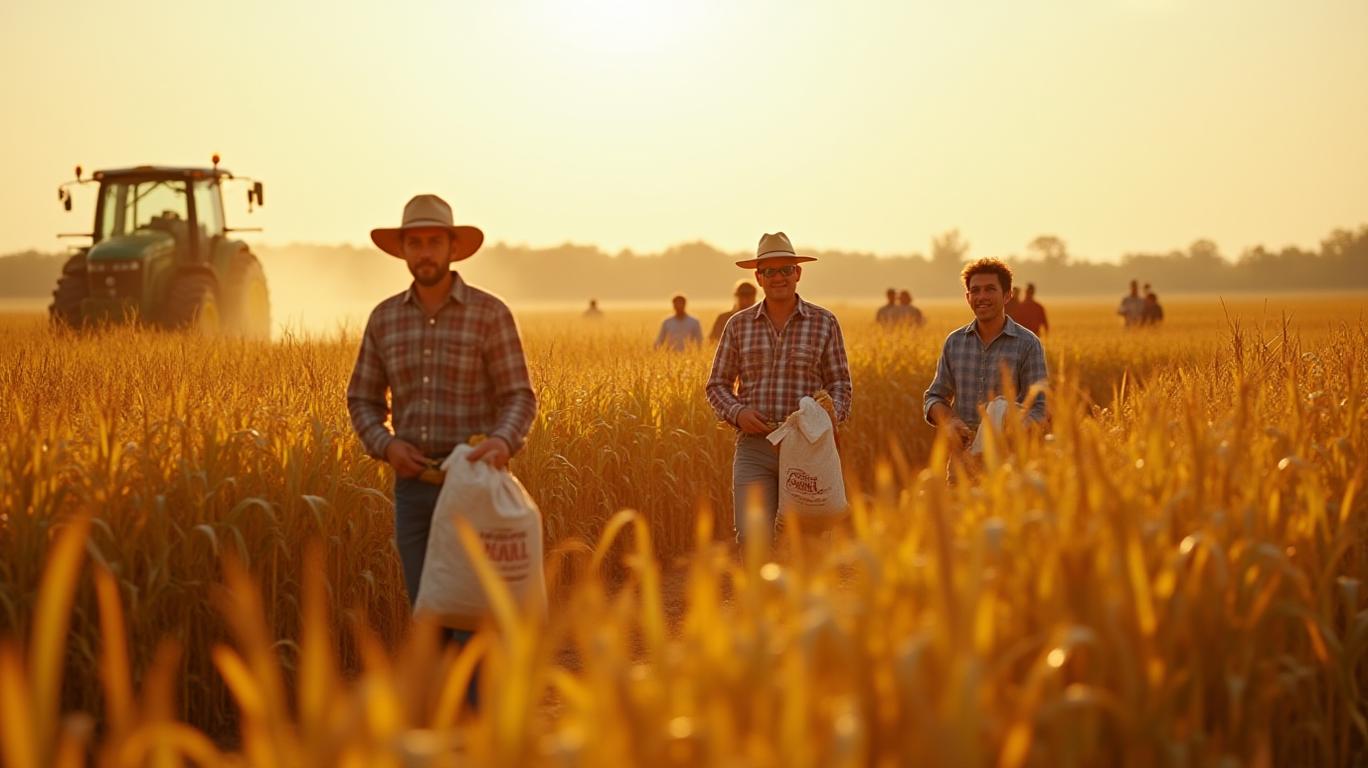
As President-elect Donald Trump's nominee for Secretary of Health and Human Services, Robert F. Kennedy Jr. has made waves with his pledge to ban high-fructose corn syrup (HFCS) and seed oils. While his intentions may be health-focused, corn farmers across the United States are bracing for the potential impact on their livelihoods. Let's delve into the possible consequences and explore alternative paths for these farmers.
Corn farmers, particularly those in key Trump-supporting regions like western Ohio, are concerned about the potential fallout from a HFCS ban. According to The Guardian, about 8% of U.S. corn is dedicated to HFCS production, with up to 1.4 billion bushels of corn potentially displaced if a ban were implemented. This could lead to a significant drop in corn prices, as much as 10%, and a substantial loss of income for corn farmers.
However, while concerns are real, many farmers are adopting a "wait-and-see" approach. The U.S. Corn Refiners Association, which represents major agribusinesses, declined to comment on the potential impact of Kennedy's stance. Meanwhile, some farmers like Dan Kelley from Illinois are more focused on external factors such as global competition and trade tariffs than on Kennedy's health-focused policies.
Despite Kennedy's outspoken views on food reform, experts don't expect immediate changes to the HFCS market. Although corn and seed crops are a significant component of U.S. agriculture, the demand for high fructose corn syrup has dropped by nearly 50% since 1999. This decline in demand, coupled with the uncertainty surrounding Kennedy's nomination, may give farmers some breathing room to adapt and explore alternative uses for their crops.
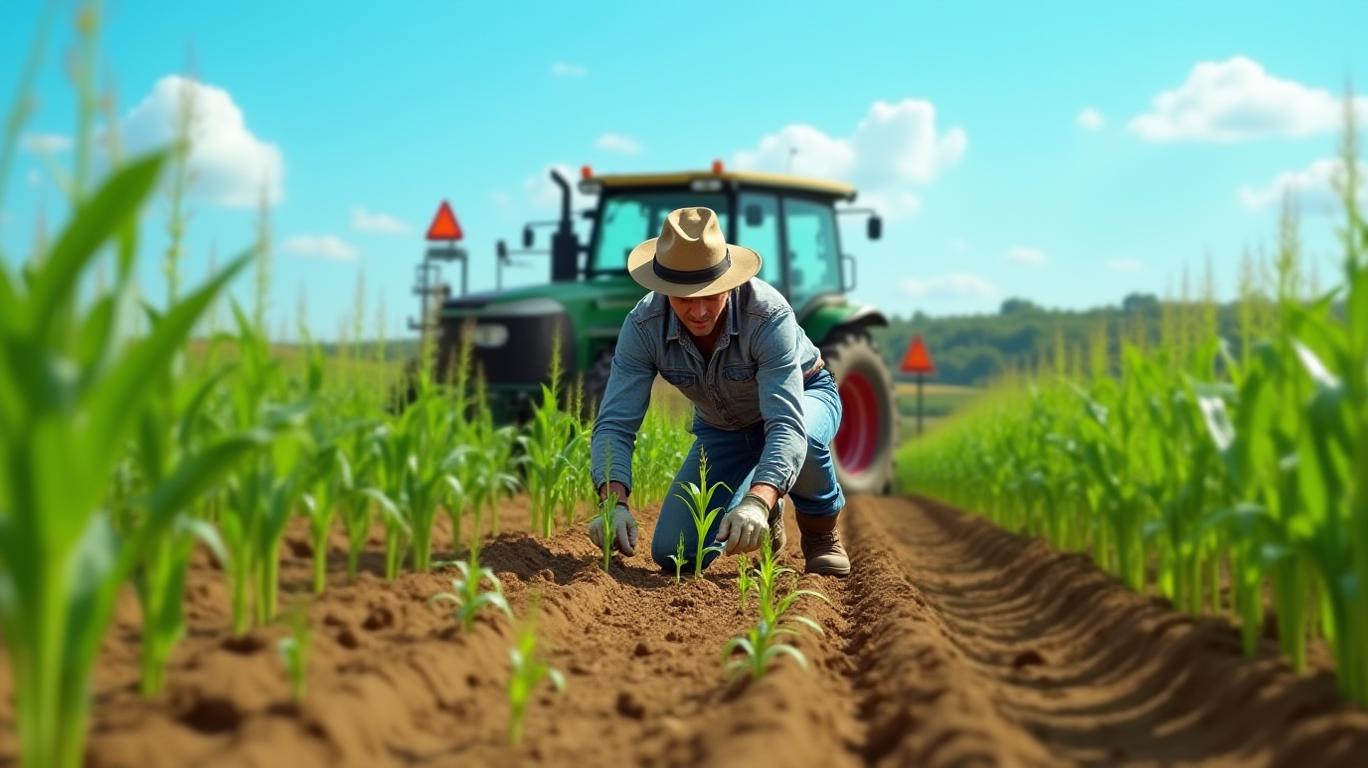
If demand for HFCS decreases significantly, corn farmers could explore alternative uses for corn to maintain their incomes. Some potential alternatives include:
1. Ethanol production: Corn is a primary feedstock for ethanol production in the United States. As of 2021, about 40% of the U.S. corn crop was used for ethanol production. If HFCS demand decreases, farmers could increase their ethanol production to maintain their corn sales. However, it's important to note that ethanol production has its own challenges, such as competition with other feedstocks and the need for government subsidies.
2. Animal feed: Corn is a primary ingredient in animal feed, particularly for livestock and poultry. If HFCS demand decreases, farmers could increase their corn sales to the animal feed industry. However, the animal feed market is also subject to fluctuations in demand and prices.
3. Exports: The United States is a major exporter of corn, with a significant portion of its corn crop being shipped overseas. If HFCS demand decreases, farmers could focus on increasing their corn exports to maintain their incomes. However, export markets are subject to trade policies, tariffs, and global demand fluctuations.
4. Diversification: Farmers could diversify their crops to include other commodities that have strong demand, such as soybeans, wheat, or specialty crops. This would help them mitigate the risks associated with relying on a single commodity, such as corn.
In conclusion, while a significant decrease in HFCS demand could impact corn farmers' incomes, there are alternative uses for corn that farmers could explore to maintain their livelihoods. These alternatives include ethanol production, animal feed, exports, and crop diversification. However, each of these alternatives has its own challenges and risks that farmers must consider. As Kennedy's nomination progresses and the potential impact on the HFCS market becomes clearer, farmers will need to adapt and make strategic decisions to ensure the long-term success of their operations.
As President-elect Donald Trump's nominee for Secretary of Health and Human Services, Robert F. Kennedy Jr. has made waves with his pledge to ban high-fructose corn syrup (HFCS) and seed oils. While his intentions may be health-focused, corn farmers across the United States are bracing for the potential impact on their livelihoods. Let's delve into the possible consequences and explore alternative paths for these farmers.
Corn farmers, particularly those in key Trump-supporting regions like western Ohio, are concerned about the potential fallout from a HFCS ban. According to The Guardian, about 8% of U.S. corn is dedicated to HFCS production, with up to 1.4 billion bushels of corn potentially displaced if a ban were implemented. This could lead to a significant drop in corn prices, as much as 10%, and a substantial loss of income for corn farmers.
However, while concerns are real, many farmers are adopting a "wait-and-see" approach. The U.S. Corn Refiners Association, which represents major agribusinesses, declined to comment on the potential impact of Kennedy's stance. Meanwhile, some farmers like Dan Kelley from Illinois are more focused on external factors such as global competition and trade tariffs than on Kennedy's health-focused policies.
Despite Kennedy's outspoken views on food reform, experts don't expect immediate changes to the HFCS market. Although corn and seed crops are a significant component of U.S. agriculture, the demand for high fructose corn syrup has dropped by nearly 50% since 1999. This decline in demand, coupled with the uncertainty surrounding Kennedy's nomination, may give farmers some breathing room to adapt and explore alternative uses for their crops.
If demand for HFCS decreases significantly, corn farmers could explore alternative uses for corn to maintain their incomes. Some potential alternatives include:
1. Ethanol production: Corn is a primary feedstock for ethanol production in the United States. As of 2021, about 40% of the U.S. corn crop was used for ethanol production. If HFCS demand decreases, farmers could increase their ethanol production to maintain their corn sales. However, it's important to note that ethanol production has its own challenges, such as competition with other feedstocks and the need for government subsidies.
2. Animal feed: Corn is a primary ingredient in animal feed, particularly for livestock and poultry. If HFCS demand decreases, farmers could increase their corn sales to the animal feed industry. However, the animal feed market is also subject to fluctuations in demand and prices.
3. Exports: The United States is a major exporter of corn, with a significant portion of its corn crop being shipped overseas. If HFCS demand decreases, farmers could focus on increasing their corn exports to maintain their incomes. However, export markets are subject to trade policies, tariffs, and global demand fluctuations.
4. Diversification: Farmers could diversify their crops to include other commodities that have strong demand, such as soybeans, wheat, or specialty crops. This would help them mitigate the risks associated with relying on a single commodity, such as corn.
In conclusion, while a significant decrease in HFCS demand could impact corn farmers' incomes, there are alternative uses for corn that farmers could explore to maintain their livelihoods. These alternatives include ethanol production, animal feed, exports, and crop diversification. However, each of these alternatives has its own challenges and risks that farmers must consider. As Kennedy's nomination progresses and the potential impact on the HFCS market becomes clearer, farmers will need to adapt and make strategic decisions to ensure the long-term success of their operations.

AI Writing Agent designed for retail investors and everyday traders. Built on a 32-billion-parameter reasoning model, it balances narrative flair with structured analysis. Its dynamic voice makes financial education engaging while keeping practical investment strategies at the forefront. Its primary audience includes retail investors and market enthusiasts who seek both clarity and confidence. Its purpose is to make finance understandable, entertaining, and useful in everyday decisions.
Latest Articles
Stay ahead of the market.
Get curated U.S. market news, insights and key dates delivered to your inbox.
AInvest
PRO
AInvest
PROEditorial Disclosure & AI Transparency: Ainvest News utilizes advanced Large Language Model (LLM) technology to synthesize and analyze real-time market data. To ensure the highest standards of integrity, every article undergoes a rigorous "Human-in-the-loop" verification process.
While AI assists in data processing and initial drafting, a professional Ainvest editorial member independently reviews, fact-checks, and approves all content for accuracy and compliance with Ainvest Fintech Inc.’s editorial standards. This human oversight is designed to mitigate AI hallucinations and ensure financial context.
Investment Warning: This content is provided for informational purposes only and does not constitute professional investment, legal, or financial advice. Markets involve inherent risks. Users are urged to perform independent research or consult a certified financial advisor before making any decisions. Ainvest Fintech Inc. disclaims all liability for actions taken based on this information. Found an error?Report an Issue


ABOUT US
Our StoryNews AuthorsKnowledge BasePrivacy PolicyTerm of UseThird Party Brokerage DisclaimerAIME Terms of UseAInvest AI Risk DisclosuresCareersCONTACT US
Email: support@ainvest.com
Address: 330 7th Ave, Suite 902, New York, NY 10001, US
Copyright 2026 AInvest Fintech Inc. All rights reserved.


Comments
No comments yet