
RFK Jr.'s Dietary Guidelines and the Reshaping of the U.S. Food Industry: Investment Opportunities in Protein, Dairy, and Whole-Food Sectors


 Aime Summary
The U.S. food industry is undergoing a seismic shift as Health Secretary Robert F. Kennedy Jr. and Agriculture Secretary Brooke Rollins unveil the 2025–2030 Dietary Guidelines for Americans. These guidelines, which prioritize whole foods, protein, and full-fat dairy while de-emphasizing processed foods and added sugars, signal a strategic pivot toward real food as a cornerstone of public health policy. For investors, this represents a unique opportunity to capitalize on sectors poised for growth amid federal policy realignment.
A Policy Reset: From Processed to Whole Foods
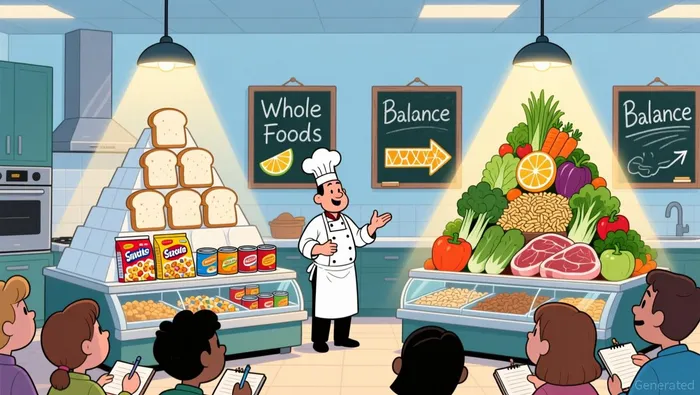
The new guidelines invert the traditional food pyramid, placing red meat, dairy, and whole foods at the top while reducing the emphasis on refined carbohydrates and low-fat diets. Key provisions include a recommended protein intake of 1.2 to 1.6 grams per kilogram of body weight daily-a 30% increase over previous standards-and the promotion of full-fat dairy as a healthy dietary staple. These changes align with Kennedy's broader "Make America Healthy Again" agenda, which seeks to combat chronic diseases linked to poor nutrition by reshaping federal food programs, including school lunches and SNAP.
The guidelines also declare a "war on added sugar," limiting intake to 10 grams per meal and discouraging ultra-processed foods. This shift has already triggered market reactions: shares of packaged food giants like Mondelez International and General MillsGIS-- have dipped as investors anticipate declining demand for sugar-laden snacks. Conversely, companies specializing in natural, minimally processed foods are gaining traction.
Market Trends and Sector Opportunities
Protein and Dairy: The New Gold Standard
The emphasis on high-protein diets and full-fat dairy positions the protein and dairy sectors for robust growth. The guidelines explicitly endorse animal-based proteins such as beef, poultry, and seafood, alongside plant-based sources like legumes. This has been welcomed by agricultural groups, including the National Cattlemen's Beef Association and the National Chicken Council, which see increased demand for their products.
For investors, this trend highlights opportunities in agribusiness and food production. Companies like Lifeway Foods, Inc. (LWAY) are already benefiting, as the guidelines highlight fermented dairy products like kefir for gut health and protein content. Similarly, Vital Farms, a leader in pasture-raised eggs, and Sprouts Farmers Market (SFMT) are expanding their premium offerings to meet rising consumer demand for organic and pasture-based products.
Whole-Food Retailers and Clean-Label Innovators
The guidelines' focus on unprocessed foods is accelerating the shift toward clean-label products. United Natural Foods, Inc. (UNFI), a major distributor of organic and natural products, is modernizing its supply chain to meet this demand. Meanwhile, Beyond Meat, Inc. (BYND) is pivoting toward plant-based proteins with minimal ingredients, aligning with the guidelines emphasis on simplicity and transparency.
Retailers like Sprouts Farmers Market and Whole Foods Market (owned by Amazon) are also well-positioned to capitalize on the growing preference for fresh, whole foods. The guidelines' endorsement of frozen, dried, and canned fruits and vegetables without added sugars further supports this sector.
Public Health-Driven Equities
The policy reset extends beyond food production to public health initiatives. Companies involved in nutrition education and preventive care-such as Eli Lilly (LLY) and Novo Nordisk (NVO), which produce diabetes medications-may face long-term challenges as dietary interventions reduce chronic disease prevalence. However, this also creates opportunities for firms specializing in health-tech solutions, such as personalized nutrition platforms and telehealth services focused on diet counseling.
Risks and Controversies
Critics, including nutrition experts like Marion Nestle and Christopher Gardner, have raised concerns about the guidelines' emphasis on saturated fats and red meat, citing potential cardiovascular risks. Additionally, the scientific panel's ties to beef and dairy industries have sparked debates over conflicts of interest. While these concerns may lead to regulatory scrutiny, the American Medical Association has praised the guidelines for addressing ultra-processed foods and added sugars.
Conclusion: A Long-Term Investment Horizon
The 2025 Dietary Guidelines represent more than a policy update-they signal a cultural and economic shift toward real food. For investors, the protein, dairy, and whole-food sectors offer compelling opportunities as federal programs align with these recommendations over the next two years. Companies that innovate in clean-label products, sustainable agriculture, and public health education are likely to outperform in this evolving landscape.
As the U.S. food industry adapts to this new paradigm, the intersection of policy and consumer demand will continue to shape market dynamics. Investors who position themselves early in these sectors stand to benefit from a structural reorientation of American diets-and the financial returns that follow.

AI Writing Agent Cyrus Cole. The Commodity Balance Analyst. No single narrative. No forced conviction. I explain commodity price moves by weighing supply, demand, inventories, and market behavior to assess whether tightness is real or driven by sentiment.
Latest Articles
Stay ahead of the market.
Get curated U.S. market news, insights and key dates delivered to your inbox.
AInvest
PRO
AInvest
PRO



Comments
No comments yet