
Revolutionizing Drug Discovery: Nanodroplet Array Platform Saves Time and Resources
ByAinvest
Thursday, Aug 21, 2025 12:47 pm ET1min read
LLY--
GPCRs are among the largest and most diverse receptor families, playing a key role in regulating appetite, metabolism, and cardiovascular function. The obesity drug market, forecasted to hit $150 billion annually by the early 2030s, presents a substantial opportunity for Lilly. The collaboration underscores the role of artificial intelligence in compressing drug discovery timelines and identifying candidates with higher probability of success [1]. The combination of Superluminal’s computational expertise and Lilly’s clinical resources could potentially shorten the time to market.
Superluminal’s lead melanocortin 4 receptor candidate is expected to enter human trials next year, with Lilly retaining a dominant position in the obesity drug market. The collaboration also broadens Lilly’s pipeline beyond GLP-1 drugs, positioning it against competitors Novo Nordisk and Amgen. Industry analysts see this as part of a wider move by major pharmaceutical companies to diversify beyond the dominant GLP-1 class and secure a foothold in next-generation obesity therapeutics [1].
The market for obesity drugs is projected to grow significantly, driven by increasing prevalence and the need for effective treatments. Lilly’s strategic partnership with Superluminal could lead to the development of new drugs with different safety and tolerability profiles, potentially expanding the patient pool. The collaboration also highlights the potential of AI in drug discovery, which could revolutionize the industry by accelerating the identification and development of new therapeutic agents.
References:
[1] https://www.2minutemedicine.com/lilly-strikes-1-3-billion-gpcr-drug-discovery-pact-with-superluminal/
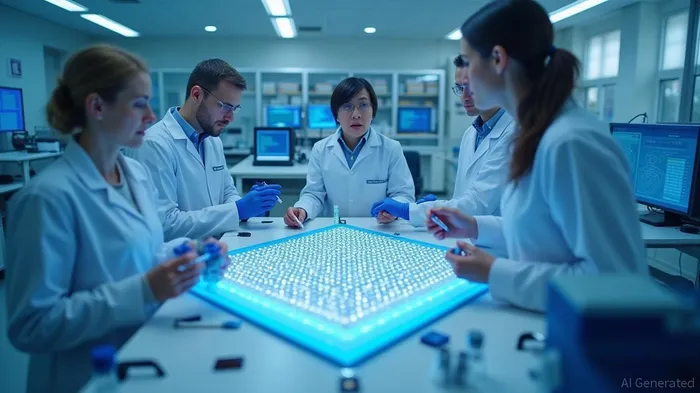
Researchers at KIT have developed a nanodroplet array platform that enables the synthesis, characterization, and testing of thousands of therapeutic agents on a single chip, saving time and resources. This platform is particularly beneficial for academic and smaller industrial research institutions, as it removes the barrier of resource-intensive drug discovery methods. The platform was used to test potential MEK inhibitors for cancer treatment, resulting in the identification of 46 effective agents in just seven days.
On August 14, 2025, Eli Lilly announced a strategic collaboration with Superluminal Medicines, valued at up to $1.3 billion, to discover and develop drugs targeting G protein–coupled receptors (GPCRs) for obesity and cardiometabolic disorders [1]. This collaboration marks a significant step for Lilly, which aims to diversify its pipeline beyond GLP-1 drugs like tirzepatide. The deal includes upfront cash, milestone payments, royalties, and an equity stake in Superluminal, with Superluminal's AI-enabled discovery platform focusing on a melanocortin 4 receptor agonist expected to enter human trials in 2026.GPCRs are among the largest and most diverse receptor families, playing a key role in regulating appetite, metabolism, and cardiovascular function. The obesity drug market, forecasted to hit $150 billion annually by the early 2030s, presents a substantial opportunity for Lilly. The collaboration underscores the role of artificial intelligence in compressing drug discovery timelines and identifying candidates with higher probability of success [1]. The combination of Superluminal’s computational expertise and Lilly’s clinical resources could potentially shorten the time to market.
Superluminal’s lead melanocortin 4 receptor candidate is expected to enter human trials next year, with Lilly retaining a dominant position in the obesity drug market. The collaboration also broadens Lilly’s pipeline beyond GLP-1 drugs, positioning it against competitors Novo Nordisk and Amgen. Industry analysts see this as part of a wider move by major pharmaceutical companies to diversify beyond the dominant GLP-1 class and secure a foothold in next-generation obesity therapeutics [1].
The market for obesity drugs is projected to grow significantly, driven by increasing prevalence and the need for effective treatments. Lilly’s strategic partnership with Superluminal could lead to the development of new drugs with different safety and tolerability profiles, potentially expanding the patient pool. The collaboration also highlights the potential of AI in drug discovery, which could revolutionize the industry by accelerating the identification and development of new therapeutic agents.
References:
[1] https://www.2minutemedicine.com/lilly-strikes-1-3-billion-gpcr-drug-discovery-pact-with-superluminal/
Stay ahead of the market.
Get curated U.S. market news, insights and key dates delivered to your inbox.
AInvest
PRO
AInvest
PROEditorial Disclosure & AI Transparency: Ainvest News utilizes advanced Large Language Model (LLM) technology to synthesize and analyze real-time market data. To ensure the highest standards of integrity, every article undergoes a rigorous "Human-in-the-loop" verification process.
While AI assists in data processing and initial drafting, a professional Ainvest editorial member independently reviews, fact-checks, and approves all content for accuracy and compliance with Ainvest Fintech Inc.’s editorial standards. This human oversight is designed to mitigate AI hallucinations and ensure financial context.
Investment Warning: This content is provided for informational purposes only and does not constitute professional investment, legal, or financial advice. Markets involve inherent risks. Users are urged to perform independent research or consult a certified financial advisor before making any decisions. Ainvest Fintech Inc. disclaims all liability for actions taken based on this information. Found an error?Report an Issue




Comments
No comments yet