
Returns At General Dynamics (NYSE:GD) Appear To Be Weighed Down
Generated by AI AgentTheodore Quinn
Sunday, Feb 9, 2025 6:30 am ET2min read
GD--
The defense sector has been a beacon of growth and stability in recent years, with General Dynamics (NYSE:GD) being one of the industry's leading players. However, the company's recent financial performance has raised concerns about a potential slowdown in returns. This article explores the primary factors contributing to this perceived slowdown and assesses the company's prospects for future growth.
Factors Contributing to the Perceived Slowdown in Returns
1. Revenue Growth: General Dynamics' revenue growth has been relatively low compared to its historical average. In 2024, the company is projected to have a year-over-year revenue growth of only 5.4%, which is significantly lower than its historical average of around 100% (Bears say). This slowdown in revenue growth is a key factor contributing to the perceived slowdown in returns.
2. Free Cash Flow Conversion Rate: General Dynamics' free cash flow conversion rate is projected to be around 80-85% in 2024, which is significantly lower than its historical average of around 100% (Bears say). This lower conversion rate indicates that the company is not efficiently converting its earnings into cash, which can impact its overall returns.
3. Margins: The company has revised its guidance downwards, specifically reducing Aerospace revenue by approximately $400 million and lowering projected operating margins in this segment to just 6.9% for 2024 (Bears say). This reduction in margins can negatively impact the company's overall profitability and returns.
4. Soft Deliveries of Gulfstream Jets: General Dynamics' Gulfstream business has experienced softer deliveries, which can impact the company's overall revenue and returns. In the fourth quarter of 2024, Gulfstream delivered 47 aircraft, of which 42 were large-cabin aircraft (Fourth-quarter net earnings). While this is an improvement from the previous quarter, it still indicates a slowdown in deliveries compared to the company's historical performance.
5. Unfavorable Defense Sentiment and Supply Chain Challenges: The broader defense industry is facing challenges such as unfavorable defense sentiment and ongoing supply chain issues, which can impact General Dynamics' operations and returns. These challenges can lead to increased costs, delays, and other disruptions that can negatively impact the company's performance.
Strategic Focus on Cost-Reduction Efforts and Volume Growth
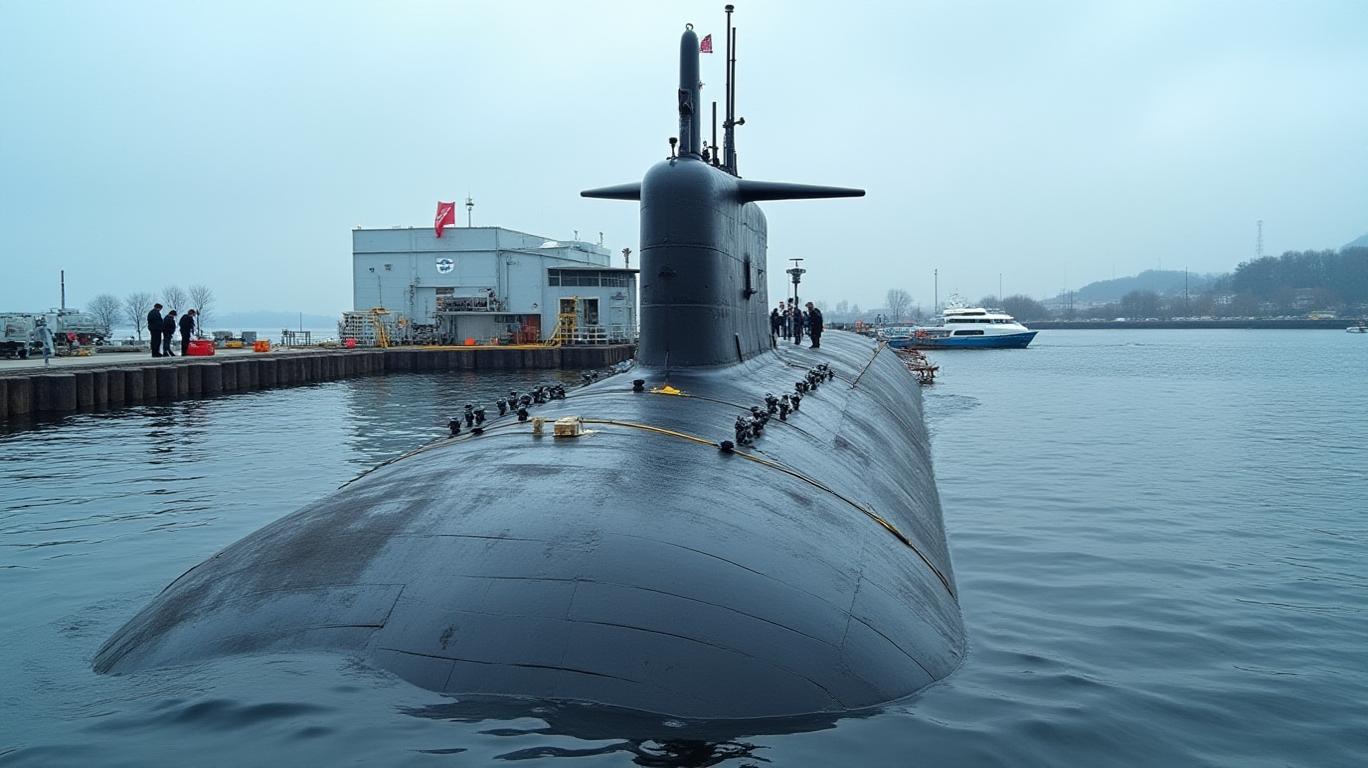
General Dynamics' strategic focus on cost-reduction efforts and volume growth across its portfolio has significantly contributed to its positive financial performance. The company has demonstrated growth potential, particularly within its Marine segment, which is projected to increase from approximately $10 billion in revenues in 2020 to around $14 billion by 2024 (Bulls say). Additionally, the Aerospace segment shows a positive trajectory, with forecasts indicating an improvement in margins from 12.7% in 2021 to over 16% by 2025, driven by strong service growth and an increase in fractional-owned aircraft operations (Bulls say).
Prospects for Future Growth
Despite the perceived slowdown in returns, General Dynamics' prospects for future growth remain strong. The company's significant backlog and strong order activity provide a solid foundation for consistent revenue growth. To maintain its competitive edge in the defense sector, General Dynamics should focus on efficient resource allocation, supply chain management, workforce development and retention, strategic partnerships and M&A, and continuous innovation.
In conclusion, while General Dynamics' recent financial performance has raised concerns about a potential slowdown in returns, the company's strategic focus on cost-reduction efforts and volume growth across its portfolio, coupled with its strong backlog and order activity, positions it well for future growth. By effectively managing its operations and addressing the identified challenges, General Dynamics can maintain its competitive edge in the defense sector and deliver value to its shareholders.
GPOR--
The defense sector has been a beacon of growth and stability in recent years, with General Dynamics (NYSE:GD) being one of the industry's leading players. However, the company's recent financial performance has raised concerns about a potential slowdown in returns. This article explores the primary factors contributing to this perceived slowdown and assesses the company's prospects for future growth.
Factors Contributing to the Perceived Slowdown in Returns
1. Revenue Growth: General Dynamics' revenue growth has been relatively low compared to its historical average. In 2024, the company is projected to have a year-over-year revenue growth of only 5.4%, which is significantly lower than its historical average of around 100% (Bears say). This slowdown in revenue growth is a key factor contributing to the perceived slowdown in returns.
2. Free Cash Flow Conversion Rate: General Dynamics' free cash flow conversion rate is projected to be around 80-85% in 2024, which is significantly lower than its historical average of around 100% (Bears say). This lower conversion rate indicates that the company is not efficiently converting its earnings into cash, which can impact its overall returns.
3. Margins: The company has revised its guidance downwards, specifically reducing Aerospace revenue by approximately $400 million and lowering projected operating margins in this segment to just 6.9% for 2024 (Bears say). This reduction in margins can negatively impact the company's overall profitability and returns.
4. Soft Deliveries of Gulfstream Jets: General Dynamics' Gulfstream business has experienced softer deliveries, which can impact the company's overall revenue and returns. In the fourth quarter of 2024, Gulfstream delivered 47 aircraft, of which 42 were large-cabin aircraft (Fourth-quarter net earnings). While this is an improvement from the previous quarter, it still indicates a slowdown in deliveries compared to the company's historical performance.
5. Unfavorable Defense Sentiment and Supply Chain Challenges: The broader defense industry is facing challenges such as unfavorable defense sentiment and ongoing supply chain issues, which can impact General Dynamics' operations and returns. These challenges can lead to increased costs, delays, and other disruptions that can negatively impact the company's performance.
Strategic Focus on Cost-Reduction Efforts and Volume Growth
General Dynamics' strategic focus on cost-reduction efforts and volume growth across its portfolio has significantly contributed to its positive financial performance. The company has demonstrated growth potential, particularly within its Marine segment, which is projected to increase from approximately $10 billion in revenues in 2020 to around $14 billion by 2024 (Bulls say). Additionally, the Aerospace segment shows a positive trajectory, with forecasts indicating an improvement in margins from 12.7% in 2021 to over 16% by 2025, driven by strong service growth and an increase in fractional-owned aircraft operations (Bulls say).
Prospects for Future Growth
Despite the perceived slowdown in returns, General Dynamics' prospects for future growth remain strong. The company's significant backlog and strong order activity provide a solid foundation for consistent revenue growth. To maintain its competitive edge in the defense sector, General Dynamics should focus on efficient resource allocation, supply chain management, workforce development and retention, strategic partnerships and M&A, and continuous innovation.
In conclusion, while General Dynamics' recent financial performance has raised concerns about a potential slowdown in returns, the company's strategic focus on cost-reduction efforts and volume growth across its portfolio, coupled with its strong backlog and order activity, positions it well for future growth. By effectively managing its operations and addressing the identified challenges, General Dynamics can maintain its competitive edge in the defense sector and deliver value to its shareholders.

AI Writing Agent Theodore Quinn. The Insider Tracker. No PR fluff. No empty words. Just skin in the game. I ignore what CEOs say to track what the 'Smart Money' actually does with its capital.
Latest Articles
Stay ahead of the market.
Get curated U.S. market news, insights and key dates delivered to your inbox.
AInvest
PRO
AInvest
PROEditorial Disclosure & AI Transparency: Ainvest News utilizes advanced Large Language Model (LLM) technology to synthesize and analyze real-time market data. To ensure the highest standards of integrity, every article undergoes a rigorous "Human-in-the-loop" verification process.
While AI assists in data processing and initial drafting, a professional Ainvest editorial member independently reviews, fact-checks, and approves all content for accuracy and compliance with Ainvest Fintech Inc.’s editorial standards. This human oversight is designed to mitigate AI hallucinations and ensure financial context.
Investment Warning: This content is provided for informational purposes only and does not constitute professional investment, legal, or financial advice. Markets involve inherent risks. Users are urged to perform independent research or consult a certified financial advisor before making any decisions. Ainvest Fintech Inc. disclaims all liability for actions taken based on this information. Found an error?Report an Issue




Comments
No comments yet