
Retirement Planning Essentials: How to Navigate Risks and Build a Resilient Portfolio
 Aime Summary
The sequence of returns risk in retirement can significantly impact long-term savings by reducing the capital available for future growth. Inflation poses a hidden threat to retirees as it erodes purchasing power over time, often overlooked compared to market volatility. A dynamic withdrawal strategy and diversified investment approach can help retirees adapt to fluctuating financial conditions and preserve capital. Roth accounts and tax-efficient strategies can help reduce the tax burden during retirement, offering more flexibility and control. Phased retirement and visual tools like illustrations are emerging trends that reshape how individuals plan for and view retirement.
In the face of evolving market dynamics, inflationary pressures, and shifting workforce expectations, retirement planning has taken on new complexity. For many, retirement is no longer a simple exit from work—it's a new chapter of financial, social, and health management. For investors, the stakes are high: a single poor market return in the early years of retirement can have lasting consequences, just as rising prices can slowly but surely deplete savings. So what should investors know—and what strategies should they consider? Let's unpack the key factors shaping retirement planning in 2026.
What Is "Sequence Risk" and Why Should Retirees Care?
refers to the danger of poor investment performance early in retirement. This matters because retirees often begin withdrawing from their accounts at the same time as their portfolio is declining in value. This dual pressure can lead to a "downward spiral" in savings, especially during bear markets. For example, , they're not only losing value but also depleting capital faster than expected. The result is a smaller base to work with in subsequent years, limiting the ability to recover. Retirees must be cautious about how and when they draw down assets.
What Role Does Inflation Play in Retirement Planning?
Inflation is often underestimated by retirees, but its impact is profound. Unlike market downturns, which are typically short-term and can be weathered, inflation is a persistent force that steadily reduces purchasing power. For retirees who no longer receive raises or salary adjustments, even small annual price increases can add up over time. Research from MetLifeMET-- underscores growing retirement anxiety as people realize their savings may not last as long as expected due to rising healthcare and living costs. Retirees must build inflation resilience into their portfolios—whether through dividend-paying stocks, real estate, or .
How Can You Build a Resilient Retirement Portfolio Today?
To mitigate these risks, financial experts recommend a mix of strategies. One popular approach is the "," which divides retirement savings into short-, medium-, and long-term categories based on risk tolerance and income needs. This helps retirees avoid selling volatile assets at the worst time and ensures they have sufficient cash to cover immediate expenses. Another key tool is , which locks in guaranteed income for life. For investors who want a more hands-off approach, ETFs like the Vanguard Total Stock Market Index Fund (VTI), the Invesco S&P 500 High Dividend Low Volatility ETF (SPHD), and the Vanguard Dividend Appreciation ETF (VIG) offer low-maintenance, diversified exposure to the market.
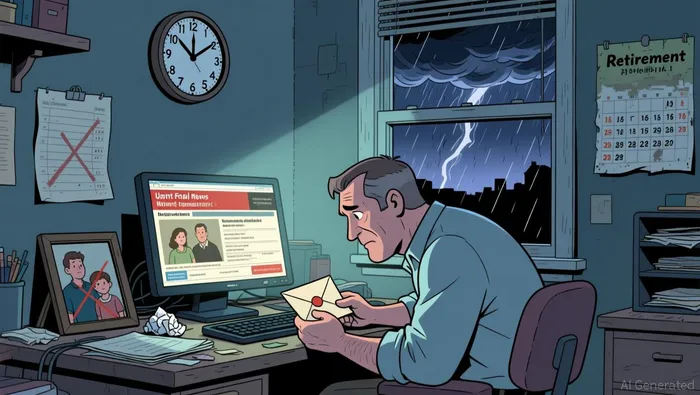
Visual tools are also gaining traction in simplifying complex retirement concepts. Tools like line drawings and animations help break down abstract ideas such as asset allocation, sequence risk, and withdrawal rates into digestible formats. This not only helps investors make informed decisions but also encourages proactive engagement with their retirement planning.
What Are the Tax Implications of Retirement Accounts?
Traditional 401(k) and IRA accounts offer tax-deferred growth, which is beneficial during working years. However, once retirees start withdrawing, they can face higher tax rates, especially if they're in a high-income bracket. Roth accounts, while funded with after-tax dollars, offer tax-free withdrawals in retirement—making them an attractive option for long-term tax planning. Advisors often suggest converting traditional accounts into Roth accounts gradually to minimize tax surprises later.
What's Next for Retirement Trends in 2026 and Beyond?
Phased retirement is gaining momentum as more workers seek to extend their careers in part-time or remote roles. This trend is reshaping the defined contribution (DC) industry and influencing how employers and financial institutions design retirement plans. Additionally, with life expectancy on the rise, retirees are staying active longer, which means retirement plans must account for extended lifespans. This includes building sustainable income streams and planning for healthcare expenses.
Visual tools, dynamic withdrawal strategies, and low-maintenance ETFs are just a few of the innovations helping retirees navigate an increasingly complex financial landscape. For investors, the key takeaway is clear: retirement is no longer a one-size-fits-all endeavor. Success depends on understanding the risks, staying flexible, and planning with a long-term, tax-efficient mindset.

Stay ahead of the market.
Get curated U.S. market news, insights and key dates delivered to your inbox.


AInvest
PRO
AInvest
PRO



Comments
No comments yet