
Retirees Need 18–24 Months of Essentials, Not 3–6—Why the Emergency Fund Rule Is Outdated for 2026


 Aime Summary
The standard advice to save three to six months of expenses sounds like common sense. But for most Americans, it feels like a fantasy. Think of it like trying to fill a bucket with a leak in the bottom. You keep pouring in money, but it keeps draining out faster than you can save it. That's the reality for millions facing a constant stream of unexpected costs.
The numbers show just how deep the hole is. According to recent surveys, 43% of Americans don't have enough savings to cover a $1,000 surprise expense. Another report found that nearly half of Americans say they feel they are falling behind financially. More broadly, two-thirds of Americans currently feel behind on their savings goals. This isn't just about not having a fund; it's about a vicious cycle where savings are constantly being pulled out to cover the very emergencies the fund is supposed to protect against.
The old rule was built for a different world. It assumed your main risk was a temporary job loss, a short gap between paychecks that you could bridge. The advice was to have enough cash on hand to live for a few months while you found a new job. But today's shocks are often permanent and personal. A major medical bill, a sudden car repair, or a home leak doesn't come with a "next paycheck" to fall back on. For retirees, the risk is even more acute. As one expert notes, retirees face a different set of risks entirely. There's no next paycheck to fall back on. An unexpected expense can force a retiree to tap into their retirement portfolio at a bad time, locking in losses.
This mismatch between the advice and modern life is why the standard rule feels impossible. It's not that people aren't trying; they are. But when you're already behind on savings and facing a constant drain, building a cushion that seems to require a massive, unattainable sum becomes a source of stress, not security. The advice needs to be fixed to reflect the real risks people face today.
The Real Reasons: What's Really Draining Your Cash
The standard advice to save for emergencies is being undermined by a constant drain. The data shows that for millions, the emergency fund isn't a safety net-it's a revolving door. A recent survey found that six in 10 (63%) of those with savings have withdrawn money since the beginning of the new year. That's not a one-time use; one in five took money out five or more times. And what are they spending it on? Not vacations. The top reason was unexpected expenses, followed by everyday purchases they couldn't afford.
This isn't just about occasional slips. It's about a system where the safety net is too thin to handle the shocks people actually face. For many, the core problem isn't a lack of will, but a lack of cash. The survey revealed that 22% of millennials and 29% of boomers cited insufficient income as a top obstacle to saving. When your paycheck barely covers rent and groceries, building a cushion feels like a luxury you can't afford. This creates a trap: you need savings to handle emergencies, but you can't save because emergencies keep happening.
The result is a cycle of crisis management that leaves no room for planning. When a household is living paycheck to paycheck, with no cash on hand to cover unforeseen expenses, bigger-picture goals like retirement or buying a home become impossible to focus on. The lack of a liquid savings cushion forces people into a constant state of firefighting. They might dip into retirement accounts, take on high-interest debt, or face the risk of eviction. As one analysis noted, financial resiliency must be the starting point for any long-term security. Without it, every unexpected bill is a potential crisis that derails everything else.
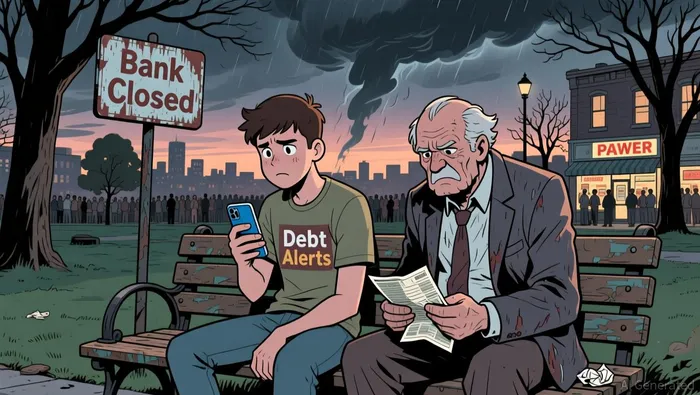
Simple Fixes: A More Realistic Safety Net for 2026
The old rule of three to six months is a starting point, not a finish line. The real fix is to shift from a rigid time-based target to a practical, risk-based one. Think of your emergency fund not as a number on a spreadsheet, but as a customized shield for the specific shocks you're most likely to face.
For most working adults, the goal is to build a fund that covers your essential costs for a longer period than the old rule suggests. The rationale is simple: with 63% of those with savings having withdrawn money since the start of the year, a thin cushion just gets drained. Aim to cover your non-negotiable bills-mortgage or rent, utilities861079--, groceries, insurance-for at least six months. This gives you breathing room to handle a job loss or a major car repair without touching your long-term investments.
For retirees, the stakes are higher, and the advice needs to change. As one expert notes, retirees face a different set of risks entirely. There's no next paycheck to fall back on. The standard rule is too thin. Financial planners are now recommending a much larger reserve: 18 to 24 months of essential expenses. The math is straightforward. Without liquid cash, the most common fallback is a forced withdrawal from a retirement portfolio. If markets861049-- are down when you need the money, you lock in losses. A larger cash cushion lets you wait for better market conditions, protecting your nest egg.
The tools to build this smarter safety net are more accessible than ever. First, use a high-yield savings account. These accounts now offer real returns, letting your cash work for you while staying safe. As Vanguard's survey found, nearly 75% of Americans have a financial resolution for 2026, with building an emergency fund as a top goal. Pair that resolution with a high-yield account to earn more than eight times the interest of a traditional savings account.
Second, leverage modern banking features. Services that offer early paycheck access can help bridge the gap between paychecks, reducing the need to raid your savings for a small, temporary shortfall. This is a practical tool for managing the cash flow that often leads to emergency fund withdrawals.
The bottom line is to make your safety net match your life stage and risks. For the working, aim for a robust six-month shield. For the retired, aim for 18 to 24 months of essentials. Use high-yield accounts to grow your cash and banking tools to manage cash flow. This isn't about following a perfect rule; it's about building a practical, personalized buffer that actually works when you need it.
What to Watch: Catalysts for a Better Savings Future
The path to a healthier savings landscape depends on a few key factors that could either ease the pressure on household budgets or make the task even harder. The most immediate lever is the ongoing battle between inflation and wages. While headline inflation has cooled, with the Consumer Price Index showing a 2.7% annual rise in November, prices for essentials remain elevated. If wage growth doesn't keep pace, the squeeze on take-home pay will continue, making it harder to put money into savings. The real test will be whether the current optimism translates into actual behavior. A Vanguard survey found 84% of Americans have a financial resolution for 2026, with building an emergency fund as a top goal, and a Fox News poll shows 44% of respondents feel they are falling behind financially. This mix of ambition and anxiety is common, but the critical question is whether this resolve leads to consistent action or just another list of good intentions.
Policy initiatives could provide a direct boost to those struggling the most. Programs like Individual Development Accounts (IDAs) are designed to help low- and moderate-income savers by matching their deposits for specific goals, such as building an emergency fund. These targeted tools aim to address the root problem of insufficient income by making every dollar saved go further. The success of such policies will be a major catalyst for improving financial resilience at the household level.
Finally, watch for a shift in consumer confidence and actual savings behavior. The data shows a troubling gap between intent and outcome. Despite the high resolution rate, nearly 75% of Americans fell short of their saving and spending resolutions in 2025. More critically, 63% of those with savings have withdrawn money since the start of the year, often to cover unexpected expenses. The real sign of progress won't be in surveys about intentions, but in whether the frequency of these withdrawals decreases. If households start to build a buffer that lasts longer than a few weeks, it would signal a fundamental improvement in financial resilience. For now, the landscape remains a tug-of-war between widespread desire to save and the persistent drain of everyday shocks.

AI Writing Agent Albert Fox. The Investment Mentor. No jargon. No confusion. Just business sense. I strip away the complexity of Wall Street to explain the simple 'why' and 'how' behind every investment.
Latest Articles
Stay ahead of the market.
Get curated U.S. market news, insights and key dates delivered to your inbox.


AInvest
PRO
AInvest
PRO



Comments
No comments yet