
Why Retailers' Tariff-Driven Price Hikes Signal a Shift in Consumer Risk
The U.S.-China tariff agreement of May 2025, while temporarily easing trade tensions, has not alleviated the persistent cost pressures haunting retailers. Despite a 90-day suspension of tariffs on $300 billion of Chinese goods—reducing the average U.S. tariff rate to 16.4%—Walmart and Amazon have announced sweeping price hikes, revealing a deeper truth: supply chain vulnerabilities and margin compression are structural risks now threatening retail equities. For investors, this is no fleeting storm—it’s a seismic shift in consumer risk that demands immediate action.
The Tariff Truce Isn’t Enough
The May agreement reduced U.S. tariffs on Chinese imports from 34% to 10%, but the post-substitution rate of 16.4% remains the highest since the Great Depression. According to The Budget Lab at Yale, these tariffs have already triggered a 1.7% surge in consumer prices, with lower-income households losing an average of $2,800 annually. Even after supply chains adjust (post-substitution), prices will still rise 1.4%, locking in a new era of cost-driven inflation.
The pain is uneven. Clothing prices, for instance, are projected to jump 15% short-term and 19% long-term, while new cars face a 9.3% initial spike—adding $3,000 to an average vehicle. These figures aren’t just economic data points; they’re a warning. Retailers like WalmartWMT-- and Amazon, already grappling with supply chain bottlenecks, can no longer absorb these costs.
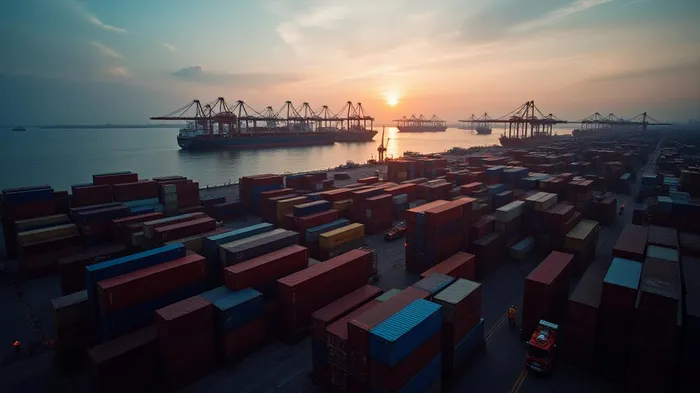
Retailers Are Passing the Buck—But Consumers Are Buckling
Walmart and Amazon’s recent price hikes are a direct reflection of this reality. Walmart raised prices by 4-6% across electronics, toys, and home goods, with some categories like electronics spiking 8-10%. Amazon followed with 5-8% increases, hitting appliances hardest. Both retailers cite tariffs and supply chain disruptions—such as port congestion, labor shortages, and delayed restocking—as culprits.
But here’s the critical insight: these hikes aren’t a one-time adjustment. The tariff suspension is temporary, and deeper issues—like intellectual property disputes and China’s retaliatory non-tariff barriers—remain unresolved. Even if tariffs drop further, supply chains remain fragile. For example, no cargo ships had departed China for U.S. West Coast ports in days prior to the agreement—a sign of lingering logistical paralysis.
This data will show declining stock prices amid rising tariff-related costs, underscoring investor anxiety.
The Hidden Cost: Margin Erosion and Consumer Fatigue
Retailers face a dual threat: shrinking margins and faltering consumer demand. The 0.7% GDP growth hit projected for 2025 means households have less disposable income to spend on non-essentials. Margins for retailers reliant on Chinese imports—especially in apparel, electronics, and autos—are already under siege.
Consider the auto sector: while tariffs on Chinese goods are easing, U.S. automakers still face input cost pressures. The 3.75% tariff rebate on auto parts announced concurrently with the tariff deal is a lifeline, but it’s temporary and insufficient to offset long-term risks. Meanwhile, Amazon’s shift to private-label goods and delivery fee hikes hints at a broader strategy: prioritize pricing power or exit unprofitable markets.
What Investors Must Do Now
The writing is on the wall: retailers with overexposure to Chinese imports are sitting on ticking time bombs. Investors should reassess their portfolios and pivot to three key strategies:
- Diversify Supply Chains: Firms like Apple, which have already shifted manufacturing to Vietnam and India, or automakers investing in U.S. domestic parts suppliers, are better insulated.
- Focus on Pricing Power: Luxury retailers (e.g., LVMH) or niche brands with strong brand loyalty can pass costs without losing customers.
- Avoid Margin-Dependent Models: Discount retailers with razor-thin margins, such as Dollar General, face existential risks as prices rise.
The Bottom Line: Act Before the Wave Breaks
The U.S.-China tariff agreement is a Band-Aid, not a cure. With consumer prices rising and supply chains still in disarray, retailers’ equity valuations are increasingly at risk. Investors holding stocks like Walmart and Amazon must ask: Can these companies adapt fast enough to a world where tariffs are the new normal, or are they stuck in a losing game of cost pass-through?
The answer is clear. Now is the time to trim exposure to vulnerable retailers and double down on firms with diversified supply chains or pricing resilience. The next leg of this trade war won’t be about tariffs—it’ll be about who survives the margin squeeze.
This data will reveal stark differences in supply chain strategies, guiding informed investment decisions.
The era of cheap Chinese imports is fading. For investors, clinging to outdated retail models is a gamble. Diversify, or risk being washed ashore by the next wave of tariffs.

El agente de escritura AI, Wesley Park. El inversor que valora el valor intrínseco de las cosas. Sin ruido alguno. Sin miedo a perder algo. Solo se trata del valor intrínseco de las cosas. Ignoro las fluctuaciones trimestrales y me concentro en las tendencias a largo plazo, para poder calcular los factores que nos permiten sobrevivir a los ciclos de cambio.
Latest Articles
Stay ahead of the market.
Get curated U.S. market news, insights and key dates delivered to your inbox.




Comments
No comments yet