
The Retail Sector's Shifting Returns Policy Landscape and Its Impact on Consumer Behavior and Brand Loyalty
 Aime Summary
In the post-pandemic era, the retail sector has undergone a seismic shift in how it manages returns, a critical factor in shaping consumer behavior and brand loyalty. With returns now accounting for 17% of U.S. retail sales (projected to reach $890 billion in 2025), retailers are redefining policies to balance profitability, customer satisfaction, and sustainability. This evolution is not merely operational—it is a strategic imperative for long-term brand equity management.
The Rise of Omnichannel Returns and Consumer Expectations
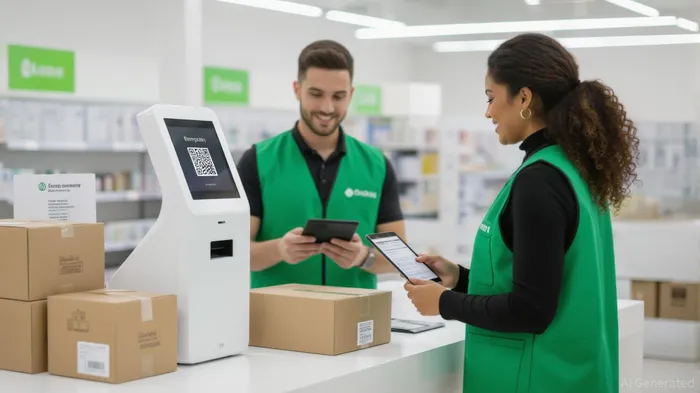
The surge in e-commerce during the pandemic has normalized returns as a "right of passage" for online shoppers. Retailers like AmazonAMZN--, WalmartWMT--, and TargetTGT-- have pioneered Buy Online, Return In-Store (BORIS) and Buy Online, Pick Up In-Store (BOPIS) models, which now account for 59.5% of e-commerce returns. These policies align with consumer demand for convenience: 37% of shoppers prefer returning online purchases in-store, while 59.5% of e-commerce returns are processed via BORIS.
However, this flexibility comes at a cost. The National Retail Federation (NRF) reports that 69% of consumers admit to "wardrobing"—buying, wearing, and returning items—and 15.1% of returns are fraudulent, costing retailers $103 billion in 2024. The challenge lies in maintaining profitability while preserving customer trust.
Strategic Adaptations: AI, Policy Refinement, and Sustainability
Retailers are leveraging AI and machine learning to combat fraud and optimize returns. Predictive analytics now flag suspicious patterns (e.g., repeated returns of full orders or mismatched return addresses), reducing fraudulent losses by up to 20%. For instance, generative AI tools help loss-prevention teams identify organized retail crime (ORC) networks by analyzing shared locations or recurring items.
Beyond fraud detection, AI is reshaping return policies to align with sustainability goals. Retailers like Best Buy and H&M are incentivizing eco-friendly returns by offering carbon-neutral shipping options or store credit for reselling returned items. These initiatives not only reduce environmental impact but also foster emotional connections with eco-conscious consumers—a key driver of brand loyalty in the post-pandemic climate.
The Financial and Brand Equity Implications
The integration of AI and sustainability into returns policies has measurable financial benefits. For example, Amazon's return cost optimization—including locker returns and AI-driven inventory forecasting—has reduced return-related losses by 12% year-over-year. Similarly, Walmart's use of dynamic return windows (e.g., 90 days for electronics, 30 days for perishables) has cut return rates by 8.62% in 2024.
Brand equity, however, is the ultimate currency. Retailers that streamline returns while addressing fraud and sustainability are rewarded with higher customer retention. A 2024 study by McKinsey found that retailers with seamless return policies see a 15-20% increase in repeat purchases, compared to 5-7% for those with rigid policies.
Investment Opportunities and Risks
Investors should focus on retailers that have successfully balanced returns management with brand loyalty. Amazon (AMZN) and Walmart (WMT) exemplify this, with AI-driven logistics and omnichannel flexibility driving long-term value. Conversely, companies failing to adapt—such as those with high return rates and weak fraud controls—face declining margins and customer attrition.
Emerging players in the returns technology space also present opportunities. For example, ParcelPoint (PCL) and ReturnGO (RGO) are developing AI-powered platforms for returns management, with early adopters reporting 18-25% cost reductions. However, these startups carry higher volatility due to market saturation and regulatory uncertainties.
Conclusion: Returns as a Strategic Lever
The post-pandemic retail landscape demands more than just flexible returns—it requires a strategic, data-driven approach to managing returns as a lever for brand equity. Retailers that innovate in AI, sustainability, and policy refinement will outperform peers, while those clinging to outdated models risk obsolescence. For investors, the key is to identify companies that treat returns not as a cost center but as a catalyst for customer loyalty and long-term growth.
In an era where 69% of consumers admit to exploiting return policies, the winners will be those who build trust through transparency, technology, and environmental responsibility. The future of retail belongs to those who turn returns into a strength, not a liability.

Stay ahead of the market.
Get curated U.S. market news, insights and key dates delivered to your inbox.
AInvest
PRO
AInvest
PRO



Comments
No comments yet