
Retail Sales Miss Expectations, Uneven Recovery Exposes Fragile Economic Outlook


 Aime Summary
US retail sales for September grew by 0.2% month-over-month, falling short of the expected 0.4% increase and the 0.6% rise recorded in August, according to a Bloomberg report. The data, delayed by a government shutdown, is set to be released on Tuesday, marking a critical indicator of consumer behavior amid a fragile economic landscape. Despite the slower growth, retail demand has shown resilience this summer, contributing to a potential acceleration in third-quarter economic growth.
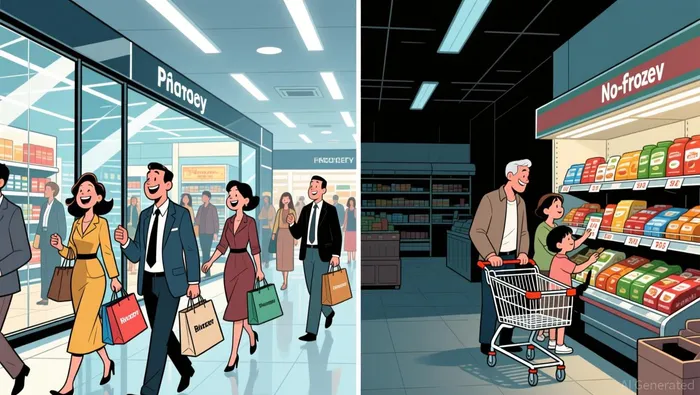
The mixed signals in the retail sector highlight diverging consumer behaviors. While major retailers like Walmart Inc.WMT-- and Gap Inc.GAP-- have reported robust sales by appealing to higher-income shoppers, companies such as Home Depot Inc. have warned of stalled demand for big-ticket purchases and remodeling projects. This disparity underscores the uneven recovery, with affluent consumers benefiting from a strong stock market, while lower-income households face the burden of rising staple costs according to the latest data.
The latest University of Michigan data reveals a dimmer outlook for personal finances since 2009 and the highest probability of job loss in five years. This sentiment is reflected in the September jobs report, which showed a 4.4% unemployment rate - an uptick from August - and added 119,000 jobs, exceeding expectations of 50,000. Traders have since increased the odds of a Federal Reserve rate cut in December to 35%, signaling cautious optimism.
The coming week will see additional economic data, including the producer price index and durable goods orders, ahead of Thanksgiving and Black Friday. The Fed's Beige Book, covering October and early November, is expected to highlight cooling employment and activity trends. Canada's GDP data, scheduled for Friday, may also provide insight into regional economic health after a contraction in the second quarter according to economic analysts.
While consumer spending remains a key growth driver, the broader risks - including job insecurity and inflation - suggest a cautious outlook for the holiday shopping season. Retailers will need to balance optimism with strategic adjustments to navigate the uneven recovery.

Stay ahead of the market.
Get curated U.S. market news, insights and key dates delivered to your inbox.
AInvest
PRO
AInvest
PRO



Comments
No comments yet