
Retail's Resilience Playbook: Navigating Consolidation Through Strategic Advantage
The retail sector is undergoing seismic shifts in 2025, with over 15,000 U.S. store closures since 2024 fueling consolidation. Yet amid the wreckage, resilient retailers are emerging as winners by leveraging strategic advantages. From digital transformation to experiential retail, here's how to spot the survivors—and where investors should place their bets.
The Anatomy of Resilience: Key Strategies in Action
1. Bankruptcy as a Reset Button
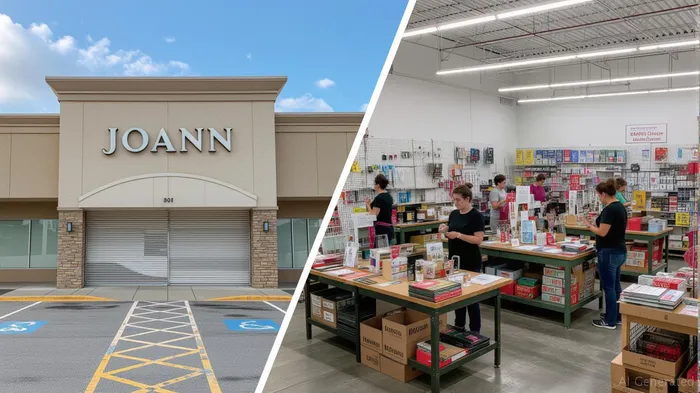
Some retailers use Chapter 11 reorganization not as an endpoint but as a catalyst. Take Joann (JOAN), which sold 800 stores to private equity-backed Variety Wholesalers while retaining a niche in craft supplies. Similarly, The Container Store (TCS) renegotiated leases and slashed costs during its bankruptcy, proving that asset-light models thrive in turbulent markets.
2. Mall Partnerships: Rent Relief and Prime Real Estate
Retailers like Express (EXPR) are thriving by aligning with mall owners. Simon Property GroupSPG-- (SPG) and BrookfieldBN-- acquired 90% of Express stores, slashing rent costs and securing prime locations. This “landlord-retailer symbiosis” is critical as mall vacancy rates drop to 5%, with GenZ driving a 64% preference for in-store shopping.
3. Niche Markets and Experiential Retail
While big-box stores collapse, specialized retailers and experiential hubs dominate. Luxury brands like Michael Kors (KORS) and Tiffany & Co. (TIF) leverage high margins and aspirational appeal. Meanwhile, malls are repurposed into hybrid spaces: think pickleball courts, gyms, and fulfillment centers.
Sectors to Watch: Where Resilience Meets Opportunity
Omnichannel Giants: Target (TGT) and Walmart (WMT)
These retailers dominate by blending online and offline experiences. Walmart's AI-driven inventory system cut logistics costs by 15%, while Target's small-format stores in urban areas boost foot traffic. Both companies are also expanding retail media networks, monetizing consumer data at scale.
Mall REITs: Simon Property Group (SPG) and Macerich (MAC)
Mall owners are reinventing real estate by converting vacant spaces into offices, apartments, and hybrid retail centers. SPG's Q1 2025 occupancy rate hit 92%, up from 84% in 2023, as it pivots to experiential anchors like gyms and entertainment venues.
Debt Restructuring Firms: Apollo (APO) and Blackstone (BX)
Private equity firms are scooping up distressed assets at discounts, turning Chapter 11 retailers into private equity darlings. Apollo's acquisition of a shuttered Bed Bath & Beyond warehouse for $10 million—a fraction of its peak value—illustrates the sector's upside.
Risks and Challenges: Navigating the Storm
- Tariffs and Supply Chains: U.S. tariffs exceeding 25% on apparel and electronics squeeze margins. Retailers like Hanesbrands (HBI) are reshoring production to Mexico and Vietnam to mitigate costs.
- Regulatory Scrutiny: The EU's CSDDD and U.S. UFLPA mandates require sustainable sourcing, forcing retailers to adopt tools like Sedex's SAQs for supply chain audits.
- Labor Costs: Wages have risen 14% since 2020. Wage automation platforms (e.g., Gusto) are critical for cost control.
Investment Strategy: Playbook for 2025
- Short Vulnerable Retailers: Bet against high-debt, low-digital players like Big Lots (BIG) and Forever 21 (F21), which lack omnichannel infrastructure.
- Invest in Survivors: JOAN, TCS, SPG, and KORS offer asymmetric upside.
- Sector Rotation: Shift capital to omnichannel leaders (TGT, WMT) and e-commerce enablers (Shopify (SHOP)).
- Monitor M&A Activity: Track SPGSPG-- and private equity firms acquiring undervalued assets during Chapter 11 proceedings.
Conclusion: Agility in the New Retail Landscape
The retail sector's consolidation is not an end but a reset. Success hinges on three pillars:
- Digital Adaptation (AI for inventory, RFID tagging).
- Strategic Partnerships with mall owners and tech providers.
- Niche Focus or experiential appeal to deprioritize price-sensitive shoppers.
As the dust settles, Walmart, SPG, and TIF exemplify the future: resilient, tech-enabled, and deeply integrated into evolving consumer needs. Investors who back these strategies—and avoid the casualties—will capitalize on retail's reinvention.
Stay agile, stay informed.

Stay ahead of the market.
Get curated U.S. market news, insights and key dates delivered to your inbox.




Comments
No comments yet