
The Retail Reset: How Store Closures are Fueling Digital Transformation and Plus-Size Market Dominance
The U.S. retail sector is in the throes of a historic reckoning. Over 15,000 stores are projected to close by year-end 度2025, marking a seismic shift from physical dominance to a digitally driven future. For investors, this crisis isn't merely about loss—it's a catalyst for opportunity. Retailers shedding underperforming stores are now pouring capital into AI-powered digital platforms and niche markets like plus-size apparel, where demand is surging and competition remains fragmented. Here's why this transition could redefine retail investing for the next decade.
The Store Closure Tsunami: A Necessary Evolution
The retail landscape is being reshaped by a brutal mathMATH-- problem: e-commerce now claims 29% of sales, up from 21% in 2019, while legacy retailers grapple with debt and declining foot traffic. 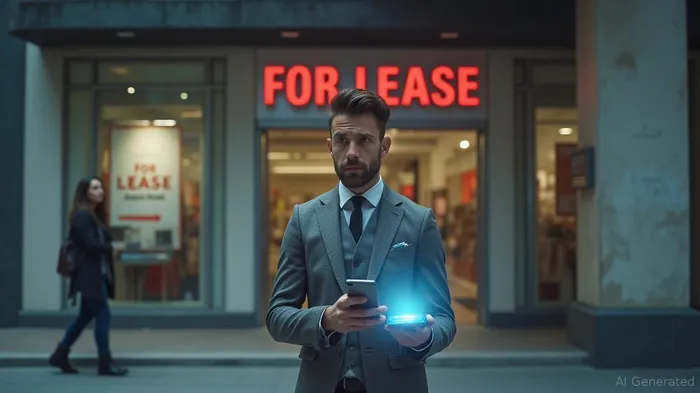 .
.
The data is stark:
- *
- *
Stores like Walgreens (333 closures) and Macy's (150 closures by 2026) are victims of this shift, but their exits free capital for winners. Take Target: its $7B digital overhaul since 2017 now drives 90% growth in same-day services, reducing delivery costs by 90%. This model isn't just about survival—it's about owning the next era of retail.
Digital Transformation: The New Retail Operating System
Closing stores isn't just cost-cutting—it's a strategic pivot to digital platforms. AI and omnichannel tools are now essential to compete, and early adopters are reaping rewards.
Key Trends:
1. AI-Driven Inventory & Personalization:
- Sephora uses AI for virtual try-ons and personalized recommendations, boosting e-commerce sales by 75%.
- ****
- Omnichannel Synergy:
- Zara's RFID systems cut markdowns by 30% and achieve 98% inventory accuracy.
Virtual Fitting Rooms:
- ASOS and H&M lead in this space, addressing plus-size consumers' top pain point: inconsistent sizing. Their tools reduce returns and build loyalty.
The Plus-Size Market: A Niche Becoming a Mainstream Goldmine
While the retail sector shrinks, the plus-size apparel market is booming. Projected to hit $444.4 billion by 2033 (CAGR: 4.2%), it's a sector where digital-first strategies are unlocking growth.
Why Now?
- Body Positivity & Inclusivity: 72% of plus-size consumers prioritize brands offering sizes beyond 14.
- E-commerce Dominance: 68% of plus-size shoppers buy online, drawn to virtual try-ons and AI recommendations.
- Untapped Formalwear Demand: Only 15% of formalwear brands offer plus-sizes, creating a $20B gap.
Winners to Watch:
1. Torrid: A pioneer in plus-size fast fashion, with a 34% market share. Its Torrid TV YouTube channel (1.2M subscribers) drives viral engagement.
-
Eloquii: Acquired by Walmart, it's leveraging the retail giant's data to tailor sustainable, inclusive collections.
ASOS: Its Plus Size line has a 44% repeat purchase rate, fueled by AI-driven sizing charts.
Investment Thesis: Bet on Digital Natives and Niche Leaders
The path forward favors two types of companies:
1. Retailers with Digital DNA:
- H&M (HMb.ST): Its Tailor Made initiative offers AI-driven customization, and its stock has outperformed peers by 20% since 2020.
- Carter's (CRI): Its OshKosh brand is expanding plus-size children's wear, a $6B niche.
- Pure-Play Plus-Size Brands:
- Lane Bryant (under Ascena Retail Group): Its Curvy Collection uses AR for virtual shopping, driving 25% online growth.
- Private Equity Plays: Look for carve-outs of plus-size divisions from legacy retailers (e.g., Kohl's's acquisition of Burlington Stores).
Avoid:
- Brands lagging in digital adoption (e.g., Party City, which failed to invest in e-commerce before its collapse).
- Low-margin discounters (e.g., Big Lots) lacking a digital strategy.
Conclusion: The New Retail Equation
The era of sprawling physical empires is ending. The winners will be those who convert store closures into digital investments and tap into underserved markets like plus-size apparel. For investors, this isn't just about surviving the retail reset—it's about owning the future of how we shop.
Act Now:
- Buy: H&M, ASOS, and Walmart (for its Eloquii stake).
- Watch: Torrid's IPO plans and Zara's expansion into plus-size sustainability.
The next decade belongs to retailers who embrace the digital-first, inclusive playbook. The stores may be closing, but the opportunities are just opening.
Data as of June 2025. Past performance does not guarantee future results.

Delivering real-time insights and analysis on emerging financial trends and market movements.
Latest Articles
Stay ahead of the market.
Get curated U.S. market news, insights and key dates delivered to your inbox.


AInvest
PRO
AInvest
PRO



Comments
No comments yet