
Retail Giants Meet Trump to Address Tariff Concerns
U.S. President Donald Trump convened a meeting with top executives from major retail giants, including WalmartWMT--, Home DepotHD--, and Target, at the White House. This gathering occurred as businesses sought relief from the widespread impact of tariffs. The meeting took place as Trump temporarily suspended the implementation of "reciprocal" tariffs against certain trading partners for 90 days, providing an opportunity for various nations to seek tariff exemptions.
The meeting, which was not publicly listed on the president's schedule, was described as "productive" by the participating companies. Walmart's spokesperson stated, "We had a productive discussion with President Trump and his team, and we appreciate the opportunity to share our perspectives." Target echoed similar sentiments, noting that the meeting was "productive" and that the company remains committed to providing value to American consumers. Home Depot also expressed satisfaction, describing the meeting as "substantive and constructive."
Following the meeting, Trump released a statement indicating that the discussions went "very well" and that he was "honored" to meet with the executives in the Oval Office. The tariff issue poses a significant threat to the retail sector, which has already been grappling with high inflation and a shift in consumer behavior towards lower-priced goods. The implementation of tariffs could further drive up prices, exacerbating the financial strain on American consumers.
Walmart's Chief Financial Officer, John David Rainey, had previously highlighted that approximately two-thirds of the products sold by Walmart in the U.S. are manufactured, grown, or assembled domestically. However, the remaining one-third is imported from other countries, with China and Mexico being the most significant suppliers. This reliance on foreign imports makes Walmart particularly vulnerable to tariff increases.
Target's situation is even more precarious. Known for its wide range of products and competitive pricing, Target sources many of its goods from overseas. Over the past four years, Target's annual revenue has stagnated due to factors such as the COVID-19 pandemic, and the company recently projected a mere 1% growth in sales for the current fiscal year.
The tariff policies have raised concerns among consumers about price increases and have caused anxiety among businesses that rely on imported goods. Some companies have already warned that their operations could slow down in the coming months as import tariffs take effect. The meeting with Trump aimed to address these concerns and explore potential solutions to mitigate the impact of tariffs on the retail sector and American consumers.
The discussions during the meeting focused on the potential economic implications of the tariffs and the need for a balanced approach to trade policies. The retail executives emphasized the importance of maintaining affordable prices for consumers and the challenges posed by increased tariffs on imported goods. They also highlighted the need for continued dialogue with the administration to find mutually beneficial solutions that support both American businesses and consumers.
In summary, the meeting between Trump and the retail giants was a significant step in addressing the growing concerns over tariffs. The discussions underscored the need for a balanced approach to trade policies that supports both American businesses and consumers. The retail executives expressed their commitment to providing value to consumers and their willingness to work with the administration to find solutions that mitigate the impact of tariffs on the retail sector. The outcome of the meeting remains to be seen, but it is clear that the tariff issue will continue to be a critical focus for both the administration and the retail industry in the coming months. 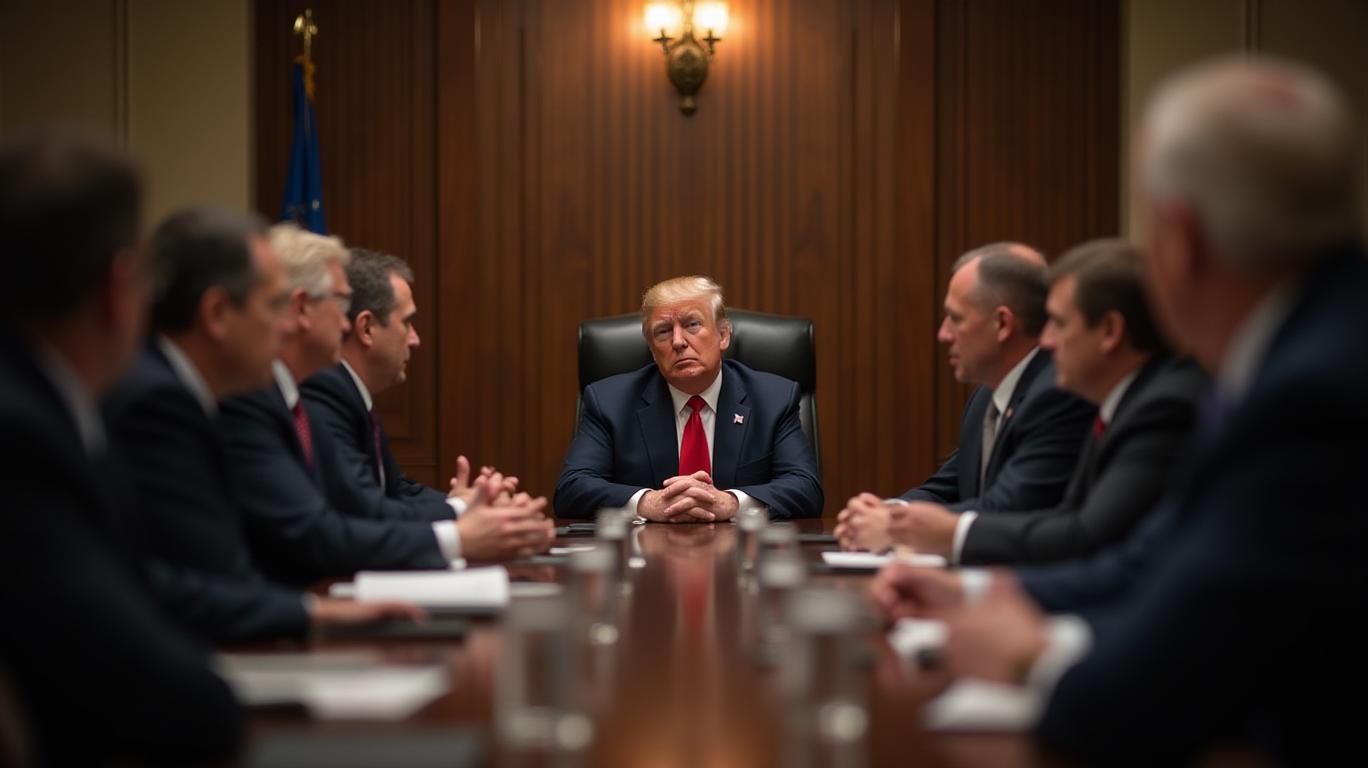

Stay ahead of the market.
Get curated U.S. market news, insights and key dates delivered to your inbox.




Comments
No comments yet