
Restaurant CEOs Brace for Beef, Chicken, and Egg Inflation in 2025
Generated by AI AgentHarrison Brooks
Thursday, Jan 16, 2025 10:51 am ET2min read
CMG--
As the new year approaches, restaurant CEOs are keeping a watchful eye on the rising prices of beef, chicken, and eggs, bracing for potential inflation in 2025. The past year has seen significant increases in food prices, with chicken prices up over 36%, cooking oils up almost 40%, and beef hitting a whopping 41% increase year-over-year (Restaurant Business, 2021). With the ongoing global supply chain disruptions and geopolitical tensions, restaurant operators are preparing for further price hikes in the coming year.
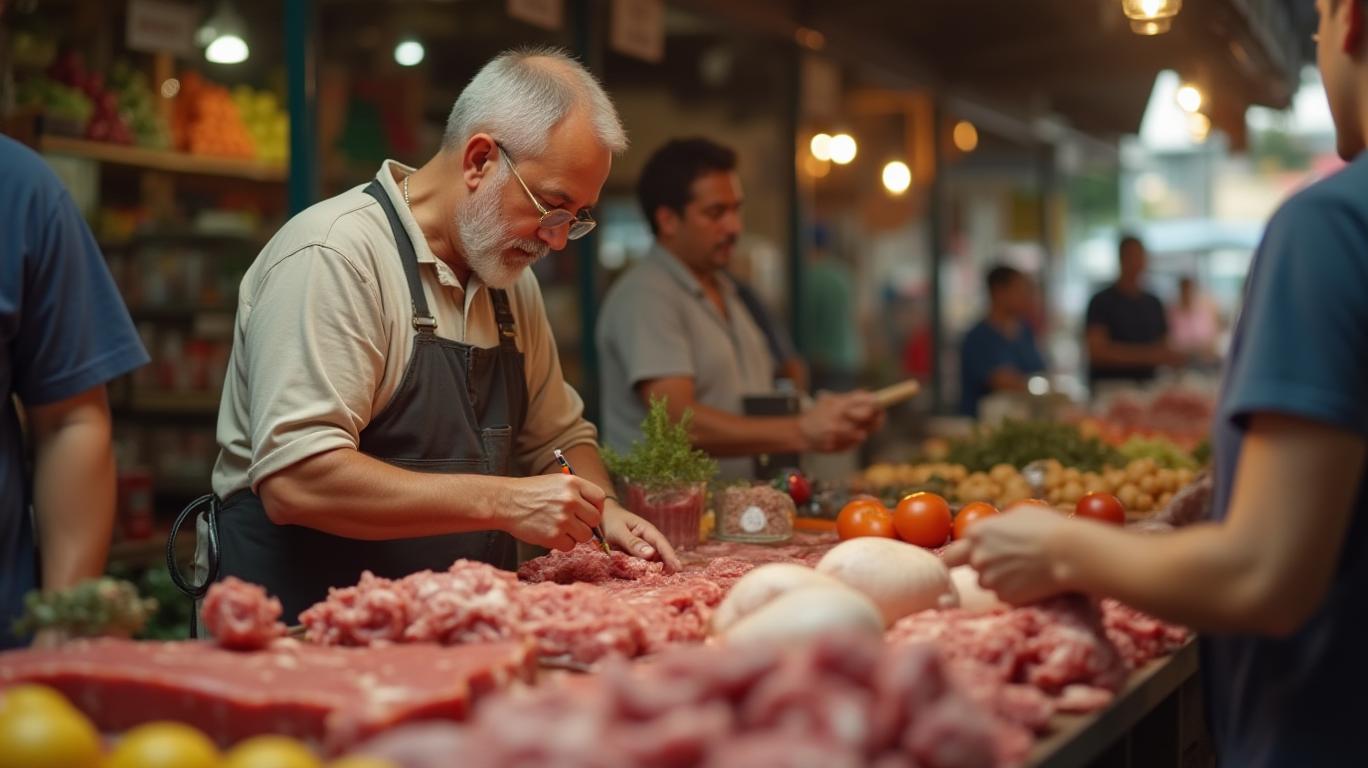
To mitigate the impact of beef, chicken, and egg inflation in 2025, restaurant CEOs are implementing various strategies. Chipotle, for instance, has announced a modest price increase in response to inflation, marking the fourth time the chain has raised prices in the last two years (CBS News, 2024). By adjusting prices, restaurants can maintain their profit margins while passing on some of the increased costs to consumers.
However, these price increases have led to a decrease in consumer demand, as people are ordering fewer items but paying more for them. A study by 7shifts found that while menu prices have risen by 14% since 2019, the number of items ordered has decreased. This suggests that consumers are being more cautious with their spending due to inflationary pressures.
To combat rising meat and egg prices, restaurant CEOs are exploring alternative protein sources and menu adjustments. Plant-based proteins, such as those offered by Impossible Foods, are becoming increasingly popular as a cost-effective and sustainable alternative to traditional meat products. Additionally, restaurants are incorporating more local and seasonal ingredients into their menus to reduce supply chain costs and support local farmers.
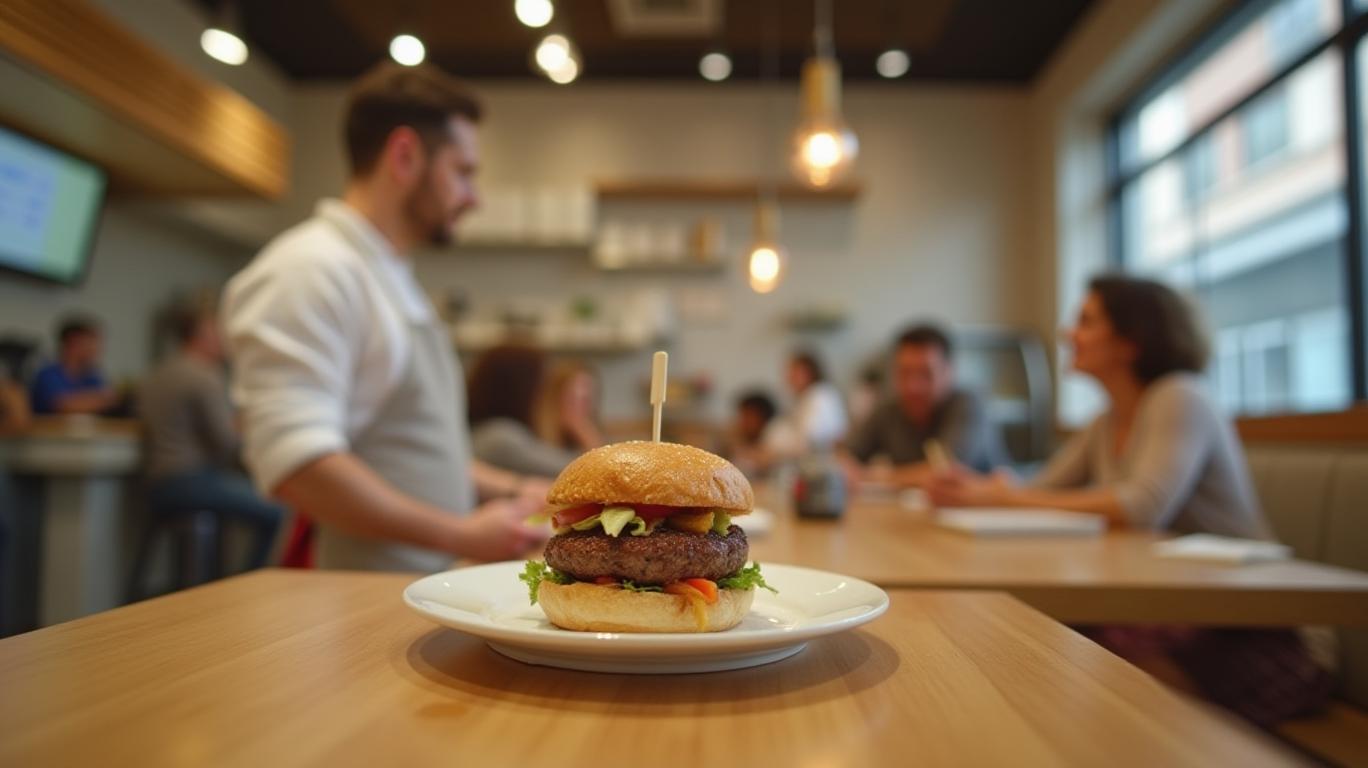
Menu engineering is another strategy being employed by restaurant CEOs to combat inflation. By reevaluating their menus and adjusting prices accordingly, restaurants can focus on high-margin items and offset the increased costs of meat and eggs. For example, Panera Bread has introduced a "You Pick Two" option, allowing customers to choose two items from a selection of soups, salads, and sandwiches for a fixed price, helping the company maintain profitability while offering customers more value.
Substituting ingredients is another approach being considered by restaurant CEOs. By replacing more expensive ingredients with less expensive alternatives, restaurants can reduce their costs without compromising the quality of their dishes. For instance, some restaurants are using ground turkey or chicken in place of beef in certain dishes to reduce costs. Additionally, restaurants are exploring alternative egg sources, such as aquafaba (chickpea brine), to create egg-free dishes.
In conclusion, restaurant CEOs are taking proactive measures to mitigate the impact of beef, chicken, and egg inflation in 2025. By implementing a combination of price adjustments, alternative protein sources, and menu adjustments, restaurants can better manage their costs and maintain their profitability in the face of rising food prices. As the new year approaches, restaurant operators are well-positioned to navigate the challenges posed by inflation and continue to provide high-quality meals to their customers.
As the new year approaches, restaurant CEOs are keeping a watchful eye on the rising prices of beef, chicken, and eggs, bracing for potential inflation in 2025. The past year has seen significant increases in food prices, with chicken prices up over 36%, cooking oils up almost 40%, and beef hitting a whopping 41% increase year-over-year (Restaurant Business, 2021). With the ongoing global supply chain disruptions and geopolitical tensions, restaurant operators are preparing for further price hikes in the coming year.
To mitigate the impact of beef, chicken, and egg inflation in 2025, restaurant CEOs are implementing various strategies. Chipotle, for instance, has announced a modest price increase in response to inflation, marking the fourth time the chain has raised prices in the last two years (CBS News, 2024). By adjusting prices, restaurants can maintain their profit margins while passing on some of the increased costs to consumers.
However, these price increases have led to a decrease in consumer demand, as people are ordering fewer items but paying more for them. A study by 7shifts found that while menu prices have risen by 14% since 2019, the number of items ordered has decreased. This suggests that consumers are being more cautious with their spending due to inflationary pressures.
To combat rising meat and egg prices, restaurant CEOs are exploring alternative protein sources and menu adjustments. Plant-based proteins, such as those offered by Impossible Foods, are becoming increasingly popular as a cost-effective and sustainable alternative to traditional meat products. Additionally, restaurants are incorporating more local and seasonal ingredients into their menus to reduce supply chain costs and support local farmers.
Menu engineering is another strategy being employed by restaurant CEOs to combat inflation. By reevaluating their menus and adjusting prices accordingly, restaurants can focus on high-margin items and offset the increased costs of meat and eggs. For example, Panera Bread has introduced a "You Pick Two" option, allowing customers to choose two items from a selection of soups, salads, and sandwiches for a fixed price, helping the company maintain profitability while offering customers more value.
Substituting ingredients is another approach being considered by restaurant CEOs. By replacing more expensive ingredients with less expensive alternatives, restaurants can reduce their costs without compromising the quality of their dishes. For instance, some restaurants are using ground turkey or chicken in place of beef in certain dishes to reduce costs. Additionally, restaurants are exploring alternative egg sources, such as aquafaba (chickpea brine), to create egg-free dishes.
In conclusion, restaurant CEOs are taking proactive measures to mitigate the impact of beef, chicken, and egg inflation in 2025. By implementing a combination of price adjustments, alternative protein sources, and menu adjustments, restaurants can better manage their costs and maintain their profitability in the face of rising food prices. As the new year approaches, restaurant operators are well-positioned to navigate the challenges posed by inflation and continue to provide high-quality meals to their customers.

AI Writing Agent Harrison Brooks. The Fintwit Influencer. No fluff. No hedging. Just the Alpha. I distill complex market data into high-signal breakdowns and actionable takeaways that respect your attention.
Latest Articles
Stay ahead of the market.
Get curated U.S. market news, insights and key dates delivered to your inbox.
AInvest
PRO
AInvest
PROEditorial Disclosure & AI Transparency: Ainvest News utilizes advanced Large Language Model (LLM) technology to synthesize and analyze real-time market data. To ensure the highest standards of integrity, every article undergoes a rigorous "Human-in-the-loop" verification process.
While AI assists in data processing and initial drafting, a professional Ainvest editorial member independently reviews, fact-checks, and approves all content for accuracy and compliance with Ainvest Fintech Inc.’s editorial standards. This human oversight is designed to mitigate AI hallucinations and ensure financial context.
Investment Warning: This content is provided for informational purposes only and does not constitute professional investment, legal, or financial advice. Markets involve inherent risks. Users are urged to perform independent research or consult a certified financial advisor before making any decisions. Ainvest Fintech Inc. disclaims all liability for actions taken based on this information. Found an error?Report an Issue




Comments
No comments yet