
Resilient Businesses in Volatile Markets: Lessons from Chernobyl's Ecosystem and Undervalued Innovators
 Aime Summary
In the aftermath of the 1986 Chernobyl disaster, the surrounding Exclusion Zone (CEZ) became a symbol of ecological devastation. Yet, over decades, nature has demonstrated an extraordinary capacity to adapt and recover. Despite persistent radiation, the CEZ has transformed into a de facto wildlife sanctuary, with species like wolves, boars, and deer repopulating the area. This unexpected resurgence offers a compelling analogy for business resilience: just as ecosystems reorganize and thrive in the absence of human interference, companies can rebuild and innovate in the wake of geopolitical and environmental shocks.
The Chernobyl Paradox: Adaptation in the Face of Adversity
The CEZ's recovery is not a return to pre-disaster conditions but a reconfiguration of ecological systems. Key factors include:
- Diversity and Redundancy: The absence of human activity allowed species to fill new niches, creating a more resilient ecosystem.
- Time and Monitoring: Decades of research revealed that long-term adaptation, not immediate recovery, drives resilience.
- Adaptive Mechanisms: Some species developed genetic or behavioral traits to mitigate radiation exposure, mirroring how businesses innovate to survive crises.
These principles translate directly to the corporate world. In volatile markets, companies that prioritize diversification, long-term planning, and adaptive innovation are more likely to endure and thrive.
Identifying Resilient Businesses: The “Chernobyl Model”
Undervalued companies with strong long-term potential often exhibit traits akin to the CEZ's ecological rebound. Consider the following strategies:
1. Diversification of Revenue Streams: Just as ecosystems rely on multiple species to maintain stability, businesses with diversified operations are less vulnerable to sector-specific shocks.
2. Adaptive Innovation: Companies that invest in technologies or processes to mitigate risks (e.g., renewable energy, AI-driven efficiency) mirror the CEZ's biological adaptations.
3. Long-Term Resilience Over Short-Term Gains: Resilience requires patience. The CEZ's recovery took decades; similarly, businesses must prioritize sustainable growth over quarterly results.
Case Studies: Undervalued Companies with Resilient Trajectories
1. Alphabet (GOOG)
Alphabet's commitment to renewable energy and carbon-free operations aligns with the CEZ's adaptive strategies. The company has signed over 170 power purchase agreements (PPAs) for clean energy, covering 22 gigawatts of capacity. Despite a 26% discount to its intrinsic value (per Morningstar), Alphabet's 24/7 carbon-free energy goal by 2030 positions it as a leader in the energy transition.
2. General Motors (GM)
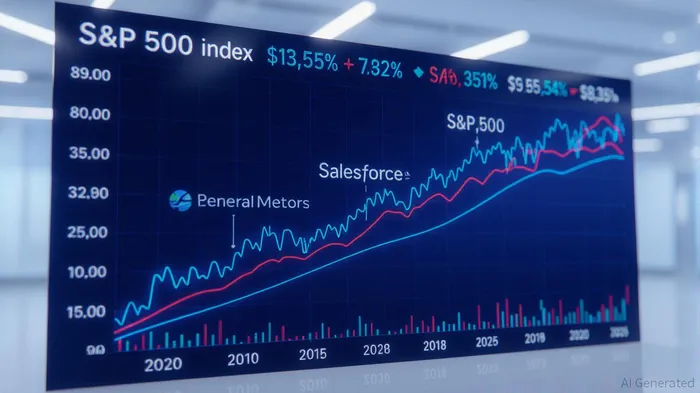
GM's renewable energy contracts now cover 77% of its U.S. electricity usage, up from 59% in 2023. Its 2040 carbon neutrality target and partnerships with clean energy developers reflect a strategic pivot toward sustainability. At a 30% discount, GM's valuation may not yet reflect its long-term resilience in a decarbonizing economy.
3. Salesforce (CRM)
Salesforce's 100% renewable energy procurement and recent 27-megawatt solar project in Italy exemplify its commitment to sustainability. With a wide economic moat and a 16% discount, the company's alignment with global ESG trends suggests undervaluation.
4. Rogers Communications (RCI)
Rogers' 52.6% renewable energy usage and 5-star MorningstarMORN-- rating highlight its resilience in the telecom sector. Its 31% discount to fair value underscores potential for growth as it expands its clean energy initiatives.
Investment Implications: Balancing Risk and Opportunity
The CEZ's story reminds us that resilience is not about avoiding shocks but adapting to them. Investors should focus on companies that:
- Leverage Long-Term Trends: Align with megatrends like decarbonization, digitalization, and resource efficiency.
- Demonstrate Operational Flexibility: Diversify supply chains, invest in R&D, and adopt agile business models.
- Prioritize Sustainability: Companies with strong ESG practices are better positioned to navigate regulatory and reputational risks.
While geopolitical tensions and environmental challenges persist, the market often undervalues companies that proactively address these risks. Alphabet, GMGM--, SalesforceCRM--, and Rogers CommunicationsRCI-- exemplify this dynamic, offering compelling opportunities for investors seeking long-term growth.
Conclusion: Embracing the Resilience Paradigm
The Chernobyl Exclusion Zone is a testament to nature's ability to recover from catastrophe. Similarly, businesses that embrace resilience through innovation, diversification, and long-term planning can thrive in volatile markets. By identifying undervalued companies with these traits, investors can position themselves to benefit from the next phase of economic and environmental transformation.
In an era of uncertainty, resilience is not just a survival strategy—it is a competitive advantage. The lessons from Chernobyl and the companies profiled here offer a roadmap for building portfolios that endure and prosper.

Delivering real-time insights and analysis on emerging financial trends and market movements.
Latest Articles
Stay ahead of the market.
Get curated U.S. market news, insights and key dates delivered to your inbox.


AInvest
PRO
AInvest
PRO



Comments
No comments yet