
Resilient Business Models in Bankruptcy: Lessons from Oheka Castle's Legal Battle
 Aime Summary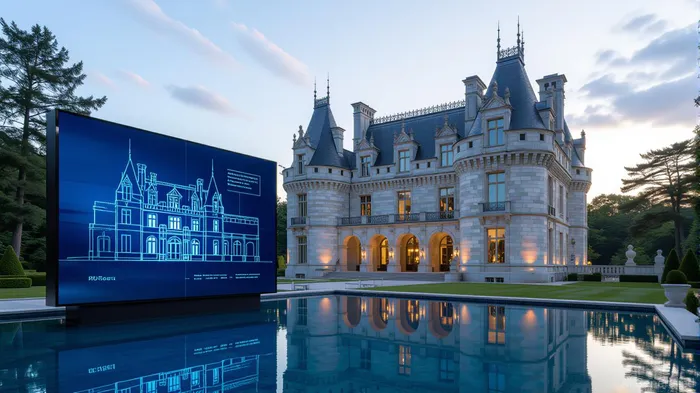
The saga of Oheka Castle—a 126-room, 1930s-era Long Island landmark—offers a masterclass in how strategic debt restructuring and visionary leadership can transform a high-profile real estate asset from a financial liability into a long-term value creator. As the castle navigates Chapter 11 bankruptcy to avoid foreclosure, its story underscores the delicate balance between preserving cultural heritage, managing distressed assets, and leveraging market dynamics to secure future profitability. For investors in luxury hospitality and distressed real estate, the case study is both cautionary and instructive.
The High-Stakes Game of Debt and Time
Oheka Castle's $63 million debt burden, rooted in a defaulted $28 million CMBS loan that ballooned to $50 million, highlights the risks of long-term fixed-rate borrowing in volatile markets. Yet Gary Melius, the castle's owner since 1984, has turned this crisis into a calculated chess game. By filing for Chapter 11, he has bought time—potentially years—to restructure obligations while stalling Taconic Capital's foreclosure auction. This maneuver reflects a key principle of resilient business models: using legal frameworks to extend timelines for strategic repositioning.
Melius's approach is not merely defensive. He has spent $46 million restoring the castle, treating it as a “labor of love” while maintaining its operational heartbeat. Weddings, events, and overnight stays continue unabated, generating steady cash flow. This dual focus—on preservation and revenue—mirrors the playbook of successful hospitality operators who treat assets as living entities rather than static collateral.
Visionary Leadership in Distressed Markets
The castle's proposed luxury condominium development, approved in 2023, exemplifies how visionary leadership can unlock value in distressed assets. By converting part of the 22-acre estate into high-end residential units, Melius aims to diversify revenue streams while preserving the castle's historic core. This strategy aligns with broader trends in real estate: blending heritage with modernity to appeal to niche, high-net-worth markets.
For investors, the lesson is clear: distressed assets often conceal untapped potential. The key lies in identifying operators who can balance short-term liquidity with long-term repositioning. Oheka's case also highlights the importance of location and brand equity. Despite its debt, the castle's National Register status and “Gold Coast” cachet ensure its market value remains robust, even as creditors push for a sale.
Strategic Implications for Investors
- The Power of Operational Continuity: Oheka's ability to keep its catering arm and event bookings active during bankruptcy demonstrates how maintaining operations can stabilize cash flow. Investors should prioritize assets with diversified revenue streams that can weather legal and financial turbulence.
- Legal Leverage as a Strategic Tool: Melius's use of Chapter 11 to delay Taconic Capital's timeline shows how bankruptcy can be a tool for negotiation, not just survival. Savvy investors must understand the legal nuances of distressed assets to anticipate delays and opportunities.
- The Role of Cultural Capital: Historic designations and brand legacy can insulate assets from market downturns. Oheka's cultural significance has kept its doors open, even as its financials falter.
A Cautionary Tale for Lenders and a Test of Resolve
Taconic Capital's $25 million acquisition of the defaulted mortgage note in 2023 underscores the risks lenders face in overleveraged real estate markets. While the firm seeks to capitalize on Oheka's redevelopment plans, its success hinges on Melius's ability to execute his vision. This dynamic reflects a broader tension in distressed investing: the clash between creditors' short-term liquidity needs and operators' long-term value creation.
For investors, the takeaway is to scrutinize not just the numbers but the human element. Melius's decades-long commitment to Oheka—despite mounting debt—suggests a level of grit and vision that can turn liabilities into assets. However, his strategy also carries risks. If the condo project falters or event revenues dip, the castle's financial precariousness could resurface.
Conclusion: Building Resilience in a Fractured Market
Oheka Castle's legal battle is more than a high-profile drama; it is a case study in resilience. By combining strategic debt restructuring, operational discipline, and visionary redevelopment, Melius has transformed a near-foreclosure into a potential long-term value play. For investors in luxury hospitality and distressed real estate, the castle's story offers a blueprint: prioritize assets with strong brand equity, diversify revenue streams, and leverage legal tools to buy time for repositioning.
In an era of economic uncertainty, the ability to navigate bankruptcy as a strategic tool—not a failure—will separate resilient businesses from those that crumble. Oheka Castle's château may be centuries old, but its lessons for modern investors are strikingly contemporary.

Delivering real-time insights and analysis on emerging financial trends and market movements.
Latest Articles
Stay ahead of the market.
Get curated U.S. market news, insights and key dates delivered to your inbox.


AInvest
PRO
AInvest
PRO



Comments
No comments yet