
The Resilient Builder: Investing in Companies with Founder-Led, Culture-Driven Growth
 Aime Summary
In the ever-shifting landscape of global markets, one truth remains constant: companies built on unyielding operational discipline and values-driven leadership tend to outperform their peers during volatility. Founder-led enterprises, in particular, have demonstrated a unique ability to weather storms while maintaining long-term vision. From Chung Ju-Yung's Hyundai navigating the 1997 Asian Financial Crisis to today's culture-driven innovators in a post-rate-pause world, the pattern is clear. These companies are not just surviving—they are compounding value through resilience, innovation, and a relentless focus on culture.
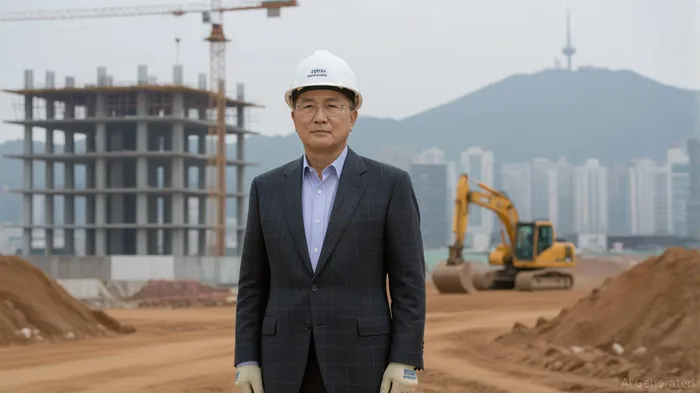
The Chung Ju-Yung Model: Culture as a Strategic Weapon
Hyundai's survival during the 1997 Asian Financial Crisis is a masterclass in founder-led resilience. Chung Ju-Yung's “do-or-die” philosophy—rooted in frugality, cost discipline, and employee welfare—became the company's lifeline. Workers reused both sides of paper, profit-sharing programs kept morale high, and a focus on lean operations allowed Hyundai to endure when many South Korean chaebols collapsed. By 2001, the Hyundai Group had become the nation's largest conglomerate, with annual revenues exceeding $90 billion.
Chung's legacy lies in his ability to embed culture into the company's DNA. He treated employees as partners, not costs, and prioritized long-term stability over short-term gains. This approach not only preserved Hyundai's value during the crisis but also laid the groundwork for its global expansion. Today, the company's emphasis on innovation—such as its Ioniq electric vehicle line and Genesis luxury brand—reflects the same strategic patience and cultural cohesion.
The 2025 Landscape: Culture-Driven Growth in a Post-Rate-Pause World
The current economic environment, marked by a pause in rate hikes and lingering inflation, demands a new breed of resilience. Founder-led companies are once again rising to the challenge, leveraging culture-driven strategies to outperform. Consider Associated Banc-Corp (ASB), which trades at a 49.5% discount to its estimated fair value. Its 40.5% annual earnings growth is fueled by community banking principles, low overhead, and a 3.83% dividend yield—a testament to frugality and disciplined balance sheet management.
Similarly, Verra Mobility (VRRM), led by Todd Pedersen, has turned high debt into a tool for innovation. With projected earnings growth of 46.77%, the company exemplifies how founder-led agility can transform constraints into opportunities. Fluor CorporationFLR-- (FLR) and Dell TechnologiesDELL-- (DELL) further illustrate this trend. Fluor's investments in NuScale PowerSMR-- and its execution of complex projects under pressure reflect strategic foresight, while Dell's direct-to-customer model and operational rigor have sustained its relevance through multiple economic cycles.
Why Culture-Driven Companies Outperform
The 2025 CEO Study underscores that culture is no longer a soft metric—it's a hard asset. Founder-led companies thrive because their values are operationalized:
1. Operational Discipline: These firms prioritize cost efficiency without sacrificing innovation. For example, Dell's direct-to-customer model reduces overhead while maintaining customer intimacy.
2. Innovation Liquidity: Companies like NVIDIANVDA-- (NVDA) and SalesforceCRM-- (CRM) reinvest profits into high-growth sectors (AI, cloud computing) that compound value over time.
3. Employee-Centric Leadership: Profit-sharing, low turnover, and a focus on employee welfare create a motivated workforce, which directly impacts productivity and customer satisfaction.
Investment Advice: Identifying the Resilient Builders
For investors, the key is to identify founder-led companies with three traits:
1. Strong Cash Reserves: Look for firms with robust free cash flow and low debt, enabling them to weather downturns.
2. Culture-Driven Governance: Companies with a clear mission and values that align with long-term goals, such as Salesforce's emphasis on social responsibility.
3. Adaptive Leadership: Founders or CEOs who prioritize innovation and are unafraid to pivot, like Chung Ju-Yung's shift to electric vehicles.
Consider Pinterest (PINS), which leverages machine learning to adapt to changing consumer behaviors. Its targeted ad strategies and user growth metrics suggest a culture of agility. Similarly, Netflix (NFLX) continues to dominate through strategic content investments and a customer-first ethos.
Conclusion: Building for the Long Game
Founder-led, culture-driven companies are not just survivors—they are builders. In a world where volatility is the norm, these enterprises offer a blueprint for compounding success. By investing in companies like Hyundai's modern counterparts, investors can tap into a legacy of resilience, innovation, and values that transcend economic cycles. As the post-rate-pause era unfolds, the resilient builder will remain a cornerstone of long-term wealth creation.

Delivering real-time insights and analysis on emerging financial trends and market movements.
Latest Articles
Stay ahead of the market.
Get curated U.S. market news, insights and key dates delivered to your inbox.


AInvest
PRO
AInvest
PRO



Comments
No comments yet