
The Resilience Premium: Investing in Companies Built by Adversity-Forged Leaders
 Aime Summary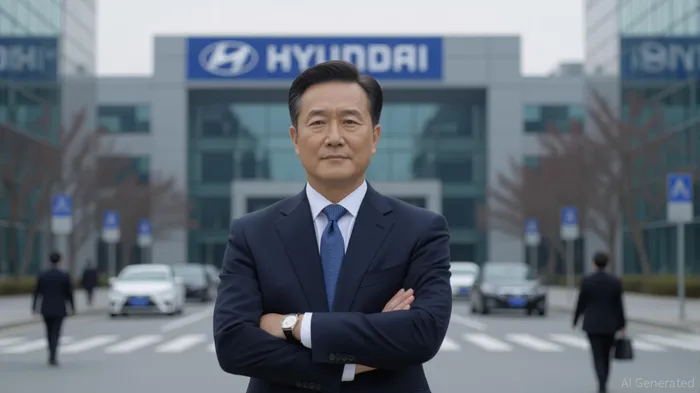
In the wake of the pandemic, markets have increasingly rewarded companies led by founders who've weathered early-life storms. These leaders—forged in the fires of personal hardship—bring a unique blend of grit, innovation, and long-term vision to their organizations. Their stories aren't just inspirational; they're blueprints for building resilient, high-performing enterprises in an era of volatility.
The Adversity-Resilience Link
History's most enduring companies were built by founders who faced—and overcame—early-life adversity. Chung Ju-Yung, the architect of Hyundai, transformed a post-war South Korea construction firm into a global automotive giant despite political instability and resource shortages. His mantra, “If you don't try, you won't succeed,” encapsulated a leadership style rooted in relentless perseverance. Similarly, Elon Musk's near-bankruptcy at TeslaTSLA-- and three failed SpaceX rocketRCKT-- launches didn't deter him; instead, they sharpened his focus on high-risk, high-reward innovation. These leaders didn't just survive adversity—they used it to build organizations capable of thriving in chaos.
The pandemic accelerated this trend. As markets swung between panic and recovery, companies led by adversity-tested founders outperformed peers. For example, Amazon's Jeff Bezos, who weathered a $50 million inventory write-off in 1999, navigated the 2020 e-commerce boom with a customer-centric, long-term strategy. His ability to pivot during crises—whether the 2008 financial crisis or the pandemic—has made AmazonAMZN-- a $1.8 trillion behemoth.
Leadership Evolution: From Directive to Hopeful
The past five years have reshaped leadership expectations. In 2020, directive leadership dominated as companies sought clear direction. By 2022, supportive leadership took center stage, prioritizing employee well-being. Now, in 2025, “hopeful leadership” reigns. Gallup's Global Leadership Report reveals that 56% of employees globally now value hope as the most critical leadership trait, followed by trust (33%) and compassion (7%). Leaders who inspire optimism—like Arianna Huffington, who pivoted from media to wellness after The Huffington Post's sale—resonate in a post-pandemic world where trust is fragile.
This shift isn't just cultural; it's financial. Companies with leaders who foster hope and adaptability are better positioned to attract talent, retain customers, and innovate. Consider Tesla: Musk's ability to maintain investor and employee confidence during supply chain crises has driven the stock to a 10-year high, with reflecting a 300% surge since 2022.
Actionable Insights for Investors
Seek Founder Retention and Crisis Track Records
Founders who've navigated past crises—like Steve Jobs, who rebooted AppleAAPL-- after being ousted—build cultures of resilience. Look for companies where the founder remains involved and has a history of overcoming setbacks. Apple's $3 trillion market cap today is a testament to Jobs' return and his focus on design-driven innovation.Prioritize Innovation Quality Over Quantity
Resilient leaders don't just iterate—they reinvent. J.K. Rowling's Harry Potter franchise evolved from a book series into a $25 billion entertainment empire, leveraging cross-industry innovation. Investors should favor companies with high-quality, disruptive innovation, not just incremental improvements.Embrace the “Resilience Premium” in Sectors
Sectors like AI, renewable energy, and fintech are prime for adversity-forged leaders. Amazon's AWS dominance in cloud computing and Jeff Bezos' long-term bets on AI exemplify this. shows a 60% CAGR, driven by strategic patience and crisis-tested leadership.Monitor Leadership Style Shifts
Companies adapting to “hopeful leadership” are better positioned for post-pandemic growth. Thrive Global, founded by Arianna Huffington, aligns with the $100 billion mental health market by addressing post-pandemic work-life balance needs. While its stock has been volatile, its mission-driven approach resonates with a workforce seeking purpose.
The Future of Resilient Investing
As markets shift toward values-driven growth, the “resilience premium” will only widen. Founders who've overcome adversity bring a unique ability to navigate uncertainty, foster innovation, and inspire loyalty. For investors, the key is to identify these leaders early—before their companies become household names.
Look for red flags: companies with short-term thinking, founder exits, or a lack of crisis recovery history. Conversely, green flags include long-term strategic bets, a culture of unlearning (discarding outdated practices), and alignment with post-pandemic trends like digital transformation and sustainability.
In a world where volatility is the new normal, the most durable investments will be those built by leaders who've already survived the storm. As the saying goes, “The oak fought the wind and was broken, the willow bent when it must and survived.” Now is the time to bet on the willows.

Stay ahead of the market.
Get curated U.S. market news, insights and key dates delivered to your inbox.
AInvest
PRO
AInvest
PRO



Comments
No comments yet