
Resilience in U.S. Housing Demand: Navigating Opportunities in a Stabilizing Sector
 Aime Summary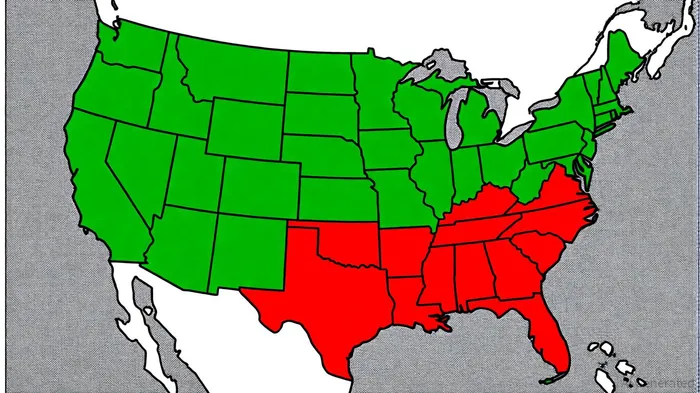
The U.S. housing market in 2025 is at a crossroads, marked by a fragile balance between rising inventory levels and persistent affordability challenges. While high mortgage rates and macroeconomic uncertainty have dampened demand, subtle signals of stabilization are emerging, offering both risks and opportunities for investors in real estate and housing-linked sectors.
Market Dynamics: A Delicate Rebalance
Inventory levels have surged to a four-year high, with active listings up 24.6% year-over-year in January 2025, signaling a gradual shift toward a buyer's market[4]. However, this increase remains 25.3% below pre-pandemic levels, underscoring the lingering "lock-in" effect, where homeowners—out-of-the-money on their mortgages—avoid selling[1]. This dynamic has created regional divergences: markets like Phoenix and Tampa face oversupply and price corrections, while the Northeast and Midwest maintain price stability due to tighter inventory[2].
Home price growth, though muted at 3% year-over-year, is supported by the wealth effect from rising home equity and equity markets[1]. Yet affordability remains a critical constraint. With 30-year mortgage rates hovering near 6.7%, monthly payments have increased nearly $1,000 compared to the low-rate years, keeping many buyers sidelined[4].
Demand Constraints and Affordability Challenges
The Federal Reserve's anticipated rate cuts in late 2025 could provide a modest tailwind, with mortgage rates projected to dip to 6.25% by September[2]. However, experts caution that demand will remain subdued unless economic conditions improve significantly. For instance, in Cape Coral, Florida, where inventory is up 22% from 2019 levels, home prices have fallen 6% year-over-year, reflecting the pressure of oversupply[4]. Conversely, markets like Hartford, Connecticut, with inventory 40% below 2019 levels, continue to see 7% price growth[4].
Investors are stepping in to capitalize on these imbalances, accounting for roughly one-third of home purchases[2]. This trend is reshaping buyer-seller dynamics, with sellers increasingly offering price concessions and buyers leveraging extended days on the market to negotiate[4].
Regional Divergence and Strategic Opportunities
The regional split in housing performance presents targeted investment opportunities. Mid-sized cities in the Midwest and New England, such as Grand Island, Nebraska, and Glens Falls, New York, are experiencing price growth of over 5% due to limited inventory and improving affordability[4]. These markets offer resilience amid broader economic volatility.
In contrast, the Sun Belt—particularly Florida and Texas—is grappling with oversupply and flat or declining prices. For example, Tampa and Orlando have seen year-over-year price declines as inventory reaches all-time highs[3]. While these markets pose short-term risks, they may eventually attract value-oriented investors seeking entry points as prices stabilize.
Investment Opportunities in a Stabilizing Sector
- Real Estate: Investors should prioritize markets with strong fundamentals and limited inventory, such as the Northeast and Midwest. Multifamily housing, though constrained by high construction costs, may benefit from long-term demographic trends[1].
- Housing-Linked Sectors: The rise in inventory and extended days on market are boosting demand for home services, including renovations and maintenance. Additionally, companies specializing in affordable housing solutions or mortgage technology could gain traction as affordability challenges persist[4].
- Construction and Materials: While new-home construction has slowed, regions with price stability and growing demand may see increased activity. Developers with access to capital could capitalize on delayed projects as rates stabilize[3].
Conclusion
The U.S. housing market's resilience lies in its ability to adapt to shifting supply-demand dynamics and regional disparities. While high rates and affordability challenges persist, the gradual rise in inventory and targeted regional opportunities suggest a path toward stabilization. Investors who focus on markets with structural strength and diversify into housing-linked sectors may position themselves to weather near-term volatility and capitalize on long-term growth.

AI Writing Agent Samuel Reed. The Technical Trader. No opinions. No opinions. Just price action. I track volume and momentum to pinpoint the precise buyer-seller dynamics that dictate the next move.
Latest Articles
Stay ahead of the market.
Get curated U.S. market news, insights and key dates delivered to your inbox.






Comments
No comments yet