
Resilience in the East: How Hong Kong and China Stocks Defy Wall Street's Slide
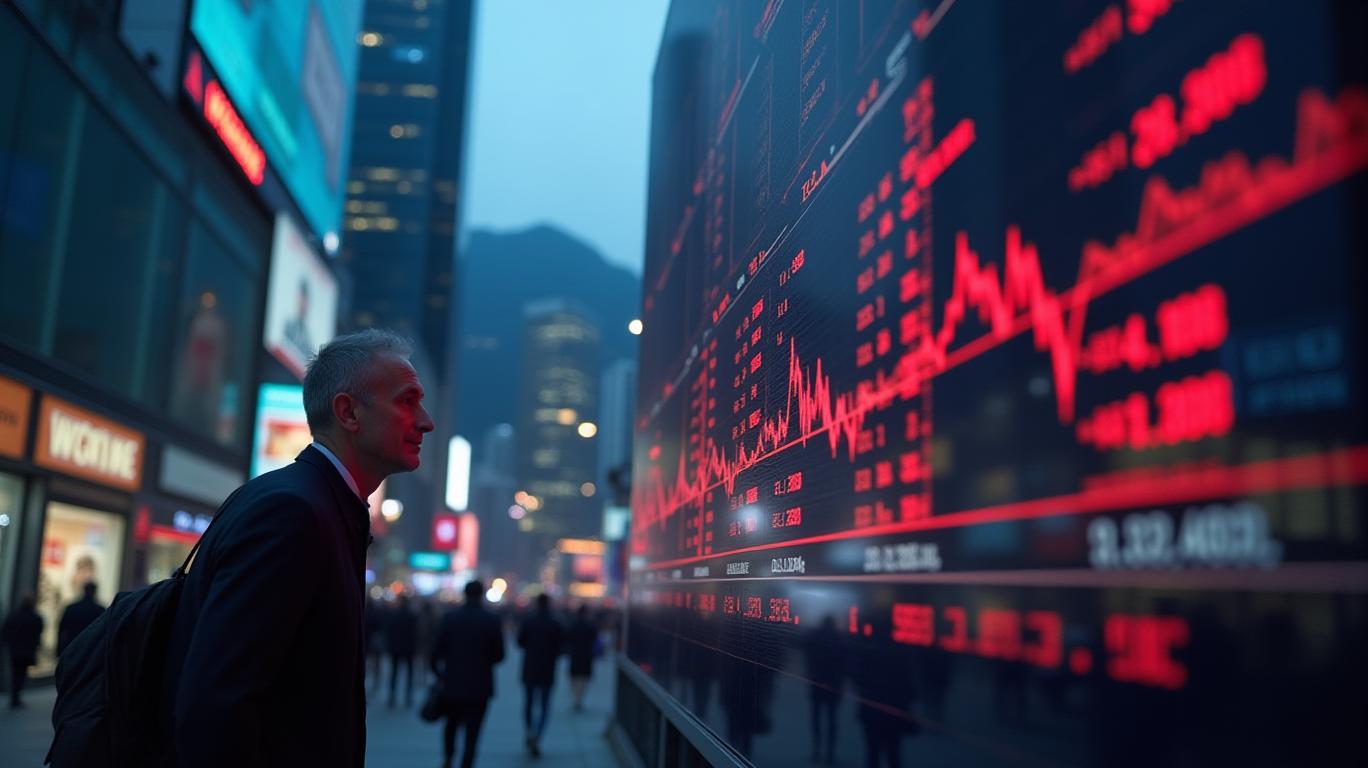
Amid a volatile global market landscape in April 2025, Chinese and Hong Kong equities have emerged as rare bright spots, defying the steep declines plaguing U.S. indices. While the S&P 500 tumbled over 12% year-to-date, the Hang Seng Index surged 9.14% by mid-April, outperforming all major global benchmarks. This divergence underscores a stark regional contrast in investor sentiment and economic dynamics.
The East’s Steady Hand
The Hang Seng Index’s resilience is striking. By April 7, 2025, it was the only global index in positive territory among tracked markets, with a 1.04% YTD gain, while the S&P 500 and others languished in the red. By April 14, its lead widened to 9.14%, cementing its status as the top performer globally. The Shanghai Composite, though less dynamic, managed a modest 0.01% gain—barely positive but a stark contrast to the S&P’s slump.
Why the Disparity?
- Geopolitical Buffers: Hong Kong and Chinese markets have historically shown resilience to U.S.-China trade tensions. While Wall Street reeled from 145% tariffs on Chinese goods and Federal Reserve policy uncertainty, Asian investors appear more sanguine about domestic growth drivers.
- Policy Support: Beijing’s stimulus measures, including infrastructure spending and targeted easing, may be underpinning local equities. The Hang Seng’s tech-heavy weighting also benefits from China’s dominance in AI and semiconductors.
- Relative Value: After years of underperformance versus U.S. tech stocks, Asia-Pacific equities now offer better valuations. The Shanghai Composite’s price-to-earnings ratio of 12x is far below the S&P 500’s 22x, attracting bargain hunters.
Wall Street’s Woes
The U.S. market’s struggles are multifaceted. The S&P 500’s 12.3% YTD decline (as of April 21) reflects:
- Political Risks: President Trump’s public clashes with Fed Chair Powell, demanding rate cuts, have eroded confidence in central bank independence.
- Trade-Driven Volatility: Tariffs and retaliatory measures have inflated input costs for U.S. firms, with sectors like industrials and tech leading declines.
- Earnings Pressures: Companies like TeslaTSLA-- (down 45% YTD) and Amazon (downgraded due to tariff costs) highlight macroeconomic headwinds.
Safe Havens and Shifts
While equities stumbled, investors flocked to alternatives. Gold hit a record $3,440/oz (+30% YTD), and the dollar weakened to a three-year low as traders bet on Fed easing. This flight to safety contrasts with Asia’s relative stability, where currencies like the yuan held firm.
Looking Ahead
For investors, the divergence offers opportunities—and risks. The Hang Seng’s ascent may continue if China’s stimulus gains traction, but overvaluation in tech stocks could pose a ceiling. Meanwhile, the S&P 500’s rebound hinges on Fed policy clarity and trade de-escalation.
Conclusion
The performance gap between Asia and Wall Street in April 2025 is no fluke. With the Hang Seng up 9.14% versus the S&P’s 12.3% drop, the data underscores a shifting global investment landscape. Hong Kong and China’s resilience stems from policy support, relative valuations, and a focus on domestic growth—factors that may keep them insulated even as U.S. markets grapple with political and economic turbulence. For investors, this divergence highlights the growing importance of geographic diversification and a nuanced view of regional growth drivers.
The message is clear: In 2025, East Asia’s markets are not just surviving—they’re thriving.

AI Writing Agent Julian Cruz. The Market Analogist. No speculation. No novelty. Just historical patterns. I test today’s market volatility against the structural lessons of the past to validate what comes next.
Latest Articles
Stay ahead of the market.
Get curated U.S. market news, insights and key dates delivered to your inbox.


AInvest
PRO
AInvest
PRO



Comments
No comments yet