
The Resilience of Consumer Spending in a High-Inflation, Tariff-Loaded Environment
 Aime Summary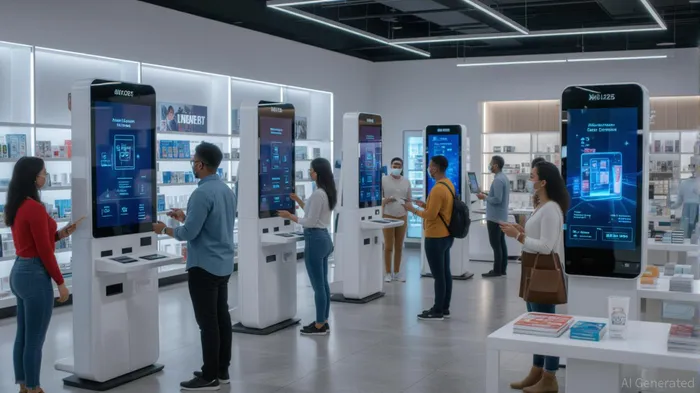
The U.S. consumer has long been the engine of economic growth, but 2025 has tested its durability. With inflation lingering above 3% and tariffs pushing the average effective U.S. tariff rate to 22.5%—the highest since 1909—households face a 2.3% rise in the price level, translating to a $3,800 annual loss per household. Yet, consumer spending remains stubbornly resilient, driven not by complacency but by a wave of ecosystem-driven innovations in retail and technology. These innovations are reshaping demand patterns, enabling consumers to navigate inflationary pressures and tariff-induced price shocks while maintaining purchasing power. For investors, the key lies in identifying the sectors and strategies that are not just surviving but thriving in this environment.
The Rise of Private-Label Brands: A Cost-Effective Countermeasure
One of the most striking adaptations has been the surge in private-label brands. In 2024, 54% of consumers increased their purchases of private-label products, a trend that has accelerated into 2025 as tariffs amplify price disparities between domestic and imported goods. These brands offer a 20–30% cost advantage over premium alternatives, making them a lifeline for budget-conscious shoppers. For example, 80% of Gen Z consumers reported shopping at wholesalers in the past month, a demographic shift that underscores the growing acceptance of value-driven alternatives.
Investors should note the performance of retailers like WalmartWMT-- and CostcoCOST--, which have expanded their private-label portfolios to capture this demand. Walmart's “Great Value” and Costco's Kirkland Signature brands now account for over 25% of their total sales, a figure projected to rise to 30% by 2026.
AI and Omnichannel Strategies: Personalization as a Defense Against Price Sensitivity
Artificial intelligence is another pillar of resilience. Retailers are leveraging AI to optimize pricing, inventory, and customer engagement. For instance, 70% of retail executives plan to implement AI capabilities by 2025, with tools like dynamic pricing models and AI-driven fit guides (e.g., a denim retailer's personalized jeans-fitting algorithm) enhancing the shopping experience while reducing returns. These innovations are critical in a market where 75% of consumers expect AI to play a role in dynamic pricing, and 60% of retailers report improved conversion rates during peak shopping periods.
Omnichannel integration further amplifies this effect. Retailers like TargetTGT-- and Best BuyBBY-- have invested heavily in real-time inventory visibility and automated micro-fulfillment centers, enabling same-day delivery and curbside pickup. These services cater to a consumer base that prioritizes convenience, with 70% of executives predicting growth in such offerings.
Sustainability and Returns Management: Reducing Costs and Enhancing Trust
Sustainability is also emerging as a strategic lever. Over 50% of consumers now consider the environmental impact of returns, prompting retailers to adopt eco-friendly return policies and consolidate shipping. For example, Amazon's “Keep It” policy for low-value items and Nordstrom's local drop-off points for returns are reducing logistics costs while aligning with consumer values. These strategies not only cut expenses but also foster brand loyalty in a competitive landscape.
Investment Implications: Where to Allocate Capital
The resilience of consumer spending is not uniform. High-income households, with access to stable credit and less exposure to trade-down behavior, continue to drive growth in discretionary categories like travel and luxury goods. Morgan StanleyMS-- forecasts that real spending by the top 10% of earners will grow at 4.7% in 2025, outpacing the 3.1% average. Conversely, lower-income households, which bear 2.5x the tariff burden of the top decile, are more reliant on private-label brands and AI-driven cost-saving tools.
For investors, this divergence suggests a dual strategy:
1. Tech-Driven Retailers: Companies excelling in AI, omnichannel logistics, and private-label innovation (e.g., Walmart, Costco, Amazon).
2. Consumer Credit Platforms: Firms like AffirmAFRM-- and Klarna, which enable “buy now, pay later” solutions, are critical for sustaining spending among middle- and lower-income households.
Conclusion: Innovation as the New Normal
The 2025 retail landscape is defined by a delicate balance between macroeconomic headwinds and technological agility. While tariffs and inflation have eroded disposable income, ecosystem-driven innovations are mitigating their impact. For investors, the path forward lies in supporting the companies that are not only adapting to this new normal but redefining it. As the Federal Reserve contemplates rate cuts and global trade tensions persist, the ability to personalize, optimize, and localize will determine which businesses—and their shareholders—emerge stronger.

Stay ahead of the market.
Get curated U.S. market news, insights and key dates delivered to your inbox.




Comments
No comments yet