
Republicans Push CLARITY Act to Thwart 'Choke Point 2.0' on Crypto


 Aime Summary
Republican lawmakers in the U.S. House of Representatives have intensified pressure for legislative action to address what they describe as systemic "debanking" of crypto businesses and individuals by federal regulators under the previous administration. In a final staff report, House Financial Services Committee Chair French Hill and Oversight Subcommittee Chair Dan Meuser alleged that regulators used "vague rules, excessive discretion, informal guidance, and aggressive enforcement actions" to pressure banks into cutting ties with digital asset clients-a practice critics have dubbed "Operation Choke Point 2.0". The report calls for the passage of the CLARITY Act, a digital asset market structure bill, to establish clear regulatory boundaries and prevent future disruptions to the crypto industry according to the report.
The report highlights concerns that federal agencies, including the SEC, FDIC, Fed, and OCC, employed enforcement actions and ambiguous guidance to deter banks from servicing crypto firms. This, according to the lawmakers, has led to financial institutions severing relationships with crypto-related businesses, stifling innovation and limiting access to essential financial services. The CLARITY Act, which passed the House in July 2025, aims to reverse this trend by codifying clear rules for banks and market participants, ensuring they can engage with the crypto ecosystem without fear of regulatory overreach.
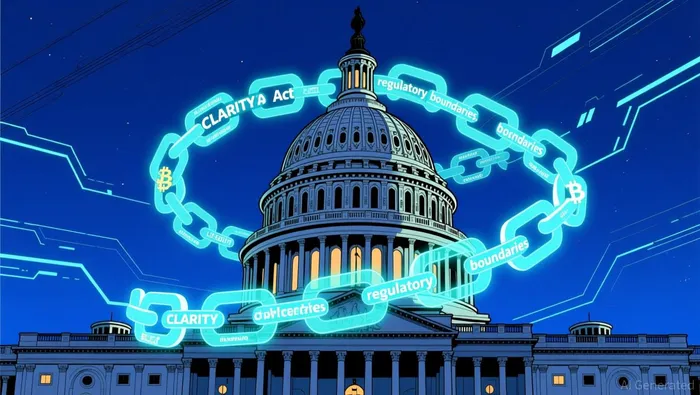 The bill is now under consideration in the Republican-led Senate Agriculture Committee and Senate Banking Committee, with both chambers releasing draft versions. Senate Banking Chair Tim Scott has indicated the committee plans to finalize the legislation by early 2026. The report argues that the CLARITY Act is critical to preventing a "future Operation Choke Point 3.0" and fostering a stable regulatory environment for the industry according to the report.
The push for legislative clarity comes amid broader global efforts to regulate crypto markets. For instance, the United Kingdom has expanded its Cryptoasset Reporting Framework (CARF) to cover domestic transactions starting in 2026, giving tax authorities HMRC access to both domestic and cross-border data. Meanwhile, Turkmenistan has legalized crypto trading under strict state control, introducing licensing requirements and cold storage mandates for exchanges. These developments underscore the growing need for standardized frameworks to address risks like money laundering and tax evasion while balancing innovation.
The Republican report also notes that claims of debanking have been widely reported within the crypto community, with individuals receiving letters from financial institutions citing regulatory pressures as the reason for service termination. While House Democrats, led by Ranking Member Maxine Waters, have not yet responded to the report, the issue is expected to remain a focal point in 2026 as lawmakers debate the future of crypto regulation.

Stay ahead of the market.
Get curated U.S. market news, insights and key dates delivered to your inbox.






Comments
No comments yet